
10 Ancient Books Every Student Should Read Before High School Ends
Modern self-help begins where ancient wisdom already went deeper.

Most modern self-help books are expensive summaries of ancient wisdom.
Walk into any bookstore and you will find shelves filled with books on discipline, confidence, anxiety, money, purpose, mindset, habits, leadership, and happiness. They look modern. They come with clean covers, celebrity blurbs, podcast interviews, and promises of transformation. But if you read them closely, you will notice many of their best ideas were already being taught thousands of years ago by philosophers, sages, monks, and theologians who understood human nature with frightening clarity.
The ancient world did not call it self-help. It called it philosophy, wisdom, ethics, spiritual discipline, or the training of the soul. The goal was deeper than becoming productive or successful. The goal was to become steady, honest, courageous, disciplined, and useful. In other words, the goal was to become the kind of person who could handle life without being destroyed by fear, pleasure, failure, praise, money, or public opinion.
That is why these books should be read early. By high school, a young person has already felt the sting of comparison, the pressure to fit in, the fear of failure, the pull of desire, and the private confusion of asking, “Who am I becoming?” Modern culture tells them to chase attention. Ancient wisdom tells them to build character first.
Here are the ten ancient and classical books every student should read before high school ends, because each one teaches a different part of self-mastery.

1. Meditations by Marcus Aurelius
Marcus Aurelius’ Meditations is the private notebook of a Roman emperor reminding himself how to stay calm, honest, and disciplined while carrying power. He writes about anger, death, pain, duty, pride, distraction, and the trouble of dealing with selfish or ungrateful people. What makes the book so striking is the contrast between the man and the message. Marcus had armies, wealth, servants, and public honor, yet he keeps telling himself to live simply, govern his reactions, and return to the work in front of him.
Marcus does not ask the reader to impress strangers, win every argument, or turn life into a public display. He keeps pulling attention back to judgment, conduct, and self-command. A high school student will face comparison, criticism, rejection, pressure, and disappointment soon enough. Meditations gives that student a language for meeting those things without becoming bitter or dramatic. Its deepest lesson is that a person can lose control of the world around him and still remain responsible for the condition of his own mind.
Marcus often treats grief, pleasure, insult, and fear as things to be mastered quickly. That gives the work its power, but it can also make the human heart feel too tidy. Life sometimes requires tenderness, not only discipline. Still, few books are better at exposing how much misery comes from wounded pride, restless desire, and poor judgment. Marcus ruled Rome, but the real drama of Meditations is smaller and harder: one man trying every day to rule himself.

2. Apology by Plato
Plato’s Apology shows Socrates standing before an Athenian jury after being accused of corrupting the youth and disrespecting the city’s gods. He does not plead for pity. He explains why Athens turned against him: he questioned politicians, poets, and craftsmen who claimed to be wise, then exposed how little they actually understood. What begins as a defense speech becomes a record of one man’s loyalty to truth, even when truth costs him his safety.
Socrates teaches that wisdom begins with self-examination. A young person can be intelligent, talented, and admired, yet still be ruled by fear, pride, fashion, or the crowd. Socrates offers a harder standard. He shows that a serious life requires the courage to question yourself before the world tells you who to become.
The book also has a difficult edge. Socrates speaks with moral force, but he gives the jury little emotional comfort. He seems less interested in winning sympathy than in forcing Athens to face its own weakness. That makes him powerful, but also severe. Socrates may be the noblest man in the room, yet he is also the kind of man most societies struggle to tolerate.

3. Letters from a Stoic by Seneca
Seneca’s Letters from a Stoic is one of the most readable entrances into ancient philosophy because it feels like advice given across a table. Written to his friend Lucilius, the letters move through time, death, wealth, friendship, anger, fear, desire, and the daily discipline of living with a clear mind. Seneca was a statesman, tutor to Nero, and a man close to Roman power, which gives the book its strange force. He knew ambition and danger from the inside, so his reflections rarely feel detached from real life.
Seneca teaches that a person can lose himself long before anything terrible happens. He wastes his life through distraction, appetite, vanity, fear of death, and hunger for approval. Seneca’s answer is virtue: wisdom, courage, justice, and self-control practiced in ordinary decisions. The book teaches that time is the most serious possession, that wealth can make a weak soul weaker, and that peace comes from governing desire before desire governs you.
Seneca writes beautifully about simplicity while living near luxury and political corruption. That contradiction can bother the reader, and it should. But it also makes the book more human. Seneca is useful because he saw how power, comfort, and fear work on the soul, then tried to write his way back toward discipline.

4. Nicomachean Ethics by Aristotle
Aristotle’s Nicomachean Ethics asks one of the oldest and hardest questions in philosophy: what does it mean for a human life to go well? His answer is eudaimonia, often translated as flourishing or deep happiness. He separates passing pleasure from the slower work of becoming excellent in character. A person flourishes by practicing virtue until courage, justice, moderation, friendship, and good judgment become habits. His famous idea of the “mean” matters here. Courage sits between cowardice and recklessness. Generosity sits between stinginess and waste. The good life, for Aristotle, comes through trained character.
Aristotle pushes the reader to ask what kind of person he is becoming, not merely what he is feeling or achieving. High school students meet ambition, pleasure, competition, friendship, insecurity, and status early, and Nicomachean Ethics gives those experiences a moral frame. It teaches that talent without character can become dangerous, and that a life built only around pleasure will eventually feel thin.
The book is difficult, and there is no reason to pretend otherwise. Much of it reads like lecture notes from another world: precise, abstract, and sometimes dry enough to test the reader’s patience. Aristotle also writes from the limits of his Greek male civic world, where women and slaves sit outside the full moral picture he is building. That is the weakness in the book. Still, the central insight survives the old assumptions around it. A person becomes happy by becoming worthy of happiness.

5. The Bhagavad Gita
The Bhagavad Gita begins with a man frozen at the worst possible moment. Arjuna stands on the battlefield of Kurukshetra, facing relatives, teachers, and friends on the opposite side, and he loses the will to fight. Krishna’s answer becomes one of the most important spiritual conversations ever written. Across 700 verses, the Gita moves through duty, action, knowledge, devotion, discipline, fear, and surrender. Its power comes from the setting. This wisdom arrives during crisis, when Arjuna cannot escape the question of what he must do.
The Gita teaches that life will often place responsibility in conflict with emotion. A person can feel confused, afraid, and burdened, yet still need to act with clarity. Krishna does not reduce life to comfort or personal preference. He teaches Arjuna to act without being enslaved by ego, reward, or fear of the outcome. One cannot build their life only around what feels easy. At some point, duty will ask for more than what the mood can give.
Different translations of the book may carry a different emphasis. Some editions read more devotional, some more philosophical, and some more academic. The battlefield setting can also trouble modern readers who come expecting a simple book of peace. But that tension is exactly what gives the Gita its force. It speaks from the edge of action, where conscience, fear, duty, and destiny all collide.
6. The Dhammapada
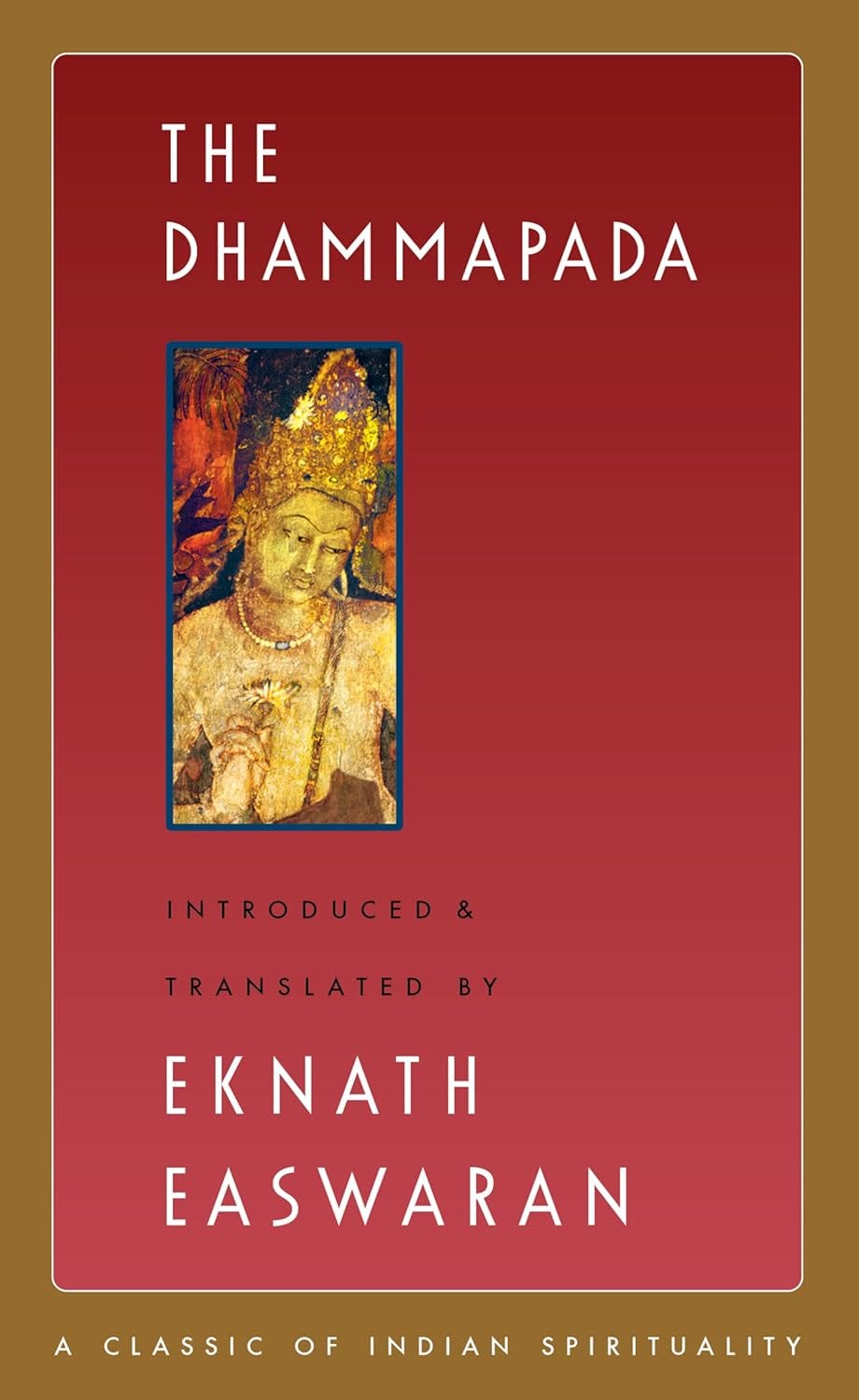
The Dhammapada is one of the clearest entrances into Buddhist wisdom because it speaks in short, sharp verses rather than long arguments. Traditionally attributed to the Buddha and preserved in the Pali Canon, it gathers 423 sayings on the mind, anger, desire, discipline, speech, karma, impermanence, and the path of awakening. Its power comes from directness. The reader does not need a complex theory before the book starts working on him. It keeps returning to one hard truth: the mind shapes the life, and an untrained mind can turn even ordinary days into suffering.
That makes the book especially valuable for young readers. High school is often where anger, comparison, craving, laziness, and social pressure begin to feel like normal life. The Dhammapada gives those struggles a moral and psychological frame. It teaches that thoughts become habits, habits become actions, and actions shape the person. It also changes the meaning of strength. The greatest victory is not defeating another person but mastering the impulses that keep dragging you back into resentment, envy, and restlessness.
The book can feel too compressed. Many verses arrive without story, context, or explanation, so a new reader may need a good translation with commentary. Its tone can also feel severe because it asks the reader to take responsibility for the condition of the mind. But that severity is part of its value. The Dhammapada does not flatter weakness. It tells the reader that anger has to be watched and the heart becomes clear through daily effort.

7. Letter to Menoeceus by Epicurus
Epicurus’ Letter to Menoeceus is a short book with a bold purpose to remove the fears and desires that make people miserable. Written as advice to his student Menoeceus, it argues that philosophy should begin early because happiness depends on learning how to live before life hardens into habit. Epicurus speaks about the gods, death, pleasure, desire, and prudence, but his real concern is peace of mind. He wants the reader to stop fearing divine punishment, stop trembling before death, and stop chasing desires that cannot be satisfied.
The letter corrects one of the biggest misunderstandings about Epicurus. He does not teach a life of luxury, indulgence, or endless pleasure. He teaches the opposite: simple food, calm judgment, good friendship, limited desires, and freedom from mental disturbance. Modern life creates artificial needs every hour. It tells people they need more status, money, beauty, attention, and comfort before they can be happy. Epicurus cuts through that by asking which desires are natural, which are necessary, and which ones only make the soul restless.
The book’s answer to suffering may feel too clean to some readers. Not every fear disappears because it has been reasoned away, and not every person can reach peace through simplicity alone. Epicurus can make life sound manageable if we classify our desires correctly and stop fearing death, but grief, love, duty, and injustice often complicate that picture. Still, the letter remains powerful because it gives the reader a rare kind of freedom. It teaches that happiness may require less than we imagine, and that many of our chains are made from wants we never needed.
8. Tao Te Ching by Laozi
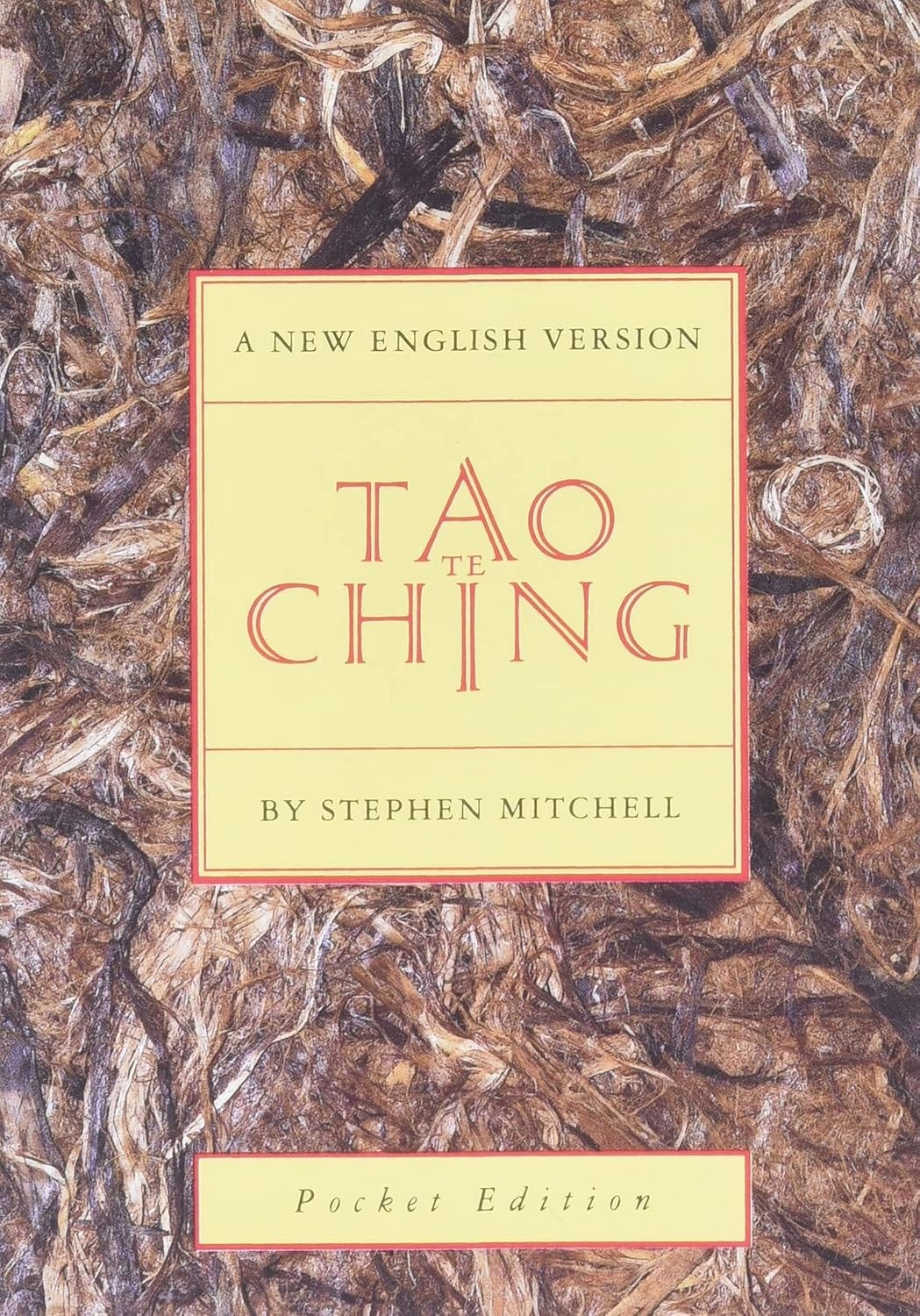
Lao Tzu’s Tao Te Ching is one of the strangest and most durable books of ancient wisdom because it refuses to teach in the usual way. Instead of arguing or commanding, it works through reversal. It shows that power often moves through softness, that strength can arise from yielding, and that real wisdom begins when a person stops trying to force the world into the shape of his own will.
At its center is the Tao — the Way that runs beneath heaven, earth, human conduct, and the natural order. Across its eighty-one short chapters, the book keeps returning to a small set of images: water that overcomes the hard without effort, the empty vessel that remains useful precisely because it is hollow, the valley that receives everything because it stays low, and the uncarved block of wood that still holds every possibility. These are precise observations about how life tends to work when it is not constantly interfered with.
The book offers a necessary correction to a culture that treats pressure, visibility, and self-assertion as the only serious forms of strength. A young person today is repeatedly told to push harder, stand out, argue more effectively, and construct a noticeable identity. The Tao Te Ching quietly proposes another kind of power: knowing when to stop, staying low like water, refusing needless conflict, and letting action arise from timing rather than ego. Its teaching on ambition is especially sharp. The person who always wants more becomes easier to disturb; the person who recognizes “enough” gains a freedom that status and achievement cannot confer.
Lao Tzu often speaks through paradox, so the meaning does not always land on the first reading. Some passages on government and keeping people simple can also trouble modern readers, especially if read as a political program rather than a critique of restless ambition and overmanagement. Still, that difficulty is part of the book’s force. Tao Te Ching does not hand the reader a system. It slows him down until he begins to notice how often he has been wasting strength by fighting the grain of reality.

9. On Duties by Cicero
Cicero’s On Duties is ancient self-help for people who want character to matter in public life. Written near the end of the Roman Republic and addressed to his son, the book asks how a person should live when honor, ambition, loyalty, and moral pressure collide. Cicero builds the work around duty because he understands that private virtue eventually gets tested in public decisions. He writes as a Roman who has seen what happens when a society loses its old standards and then acts surprised when corrupt men rise to power.
Cicero teaches civic character: how to become the kind of person others can trust with responsibility. His world is filled with historical examples, political danger, and moral compromise, which makes the book feel larger than personal improvement. It teaches young readers that honor cannot stay private forever. At some point, your character shows up in friendship, leadership, money, speech, promises, and the way you handle power.
Cicero writes from inside the Roman elite, so his moral vision carries the limits of that world. His examples can feel distant, and his idea of duty sometimes sounds more civic than inwardly searching. Modern readers may need patience with the historical references and the old Roman assumptions beneath them. Still, the book remains powerful because it asks a question most modern self-help avoids: what kind of person should you become before anyone gives you influence?

10. The Analects by Confucius
Confucius’ “Analects” is a book of short sayings, conversations, and moral observations gathered by his disciples after his death. It does not move like a story or build like a formal argument. It gives the reader fragments of a life devoted to conduct. How to speak, how to learn, how to serve, how to honor parents, how to lead, and how to become the kind of person others can trust. Confucius keeps returning to the figure of the gentleman, the person who cares more about moral worth than profit, position, or applause.
The book teaches character in ordinary life. Many ancient books focus on the inner mind, but Confucius watches behavior. He asks whether a person is honest in speech, loyal in friendship, careful in judgment, humble in learning, and steady in responsibility. Confucius cuts through that world with a simple demand: worry less about being recognized and more about becoming worthy of recognition.
The book can feel scattered. Some sayings are clear at once, while others need cultural background, especially the passages about ritual, government, and ancient Chinese society. Confucius can also feel demanding because he places so much weight on duty, hierarchy, and proper conduct. Still, that pressure is part of the book’s value. The “Analects” reminds the reader that a good life is built in small acts. The words you choose, the people you honor, the habits you repeat, and the standard you keep when no one is impressed.
These books ask hard questions. Can you control your anger? Can you handle failure? Can you tell the truth when lying would help you? Can you use money without worshiping it? Can you act without needing applause?
That is why every high school student should meet these books before the world fully gets to them. Not every student will understand every page. That is fine. Some books are meant to be returned to. The point is to plant better questions early.
Modern self-help tells young people to build a better life.
Ancient wisdom tells them to build the person who has to live it.
If this article made you want to read more deeply, become a subscriber today.
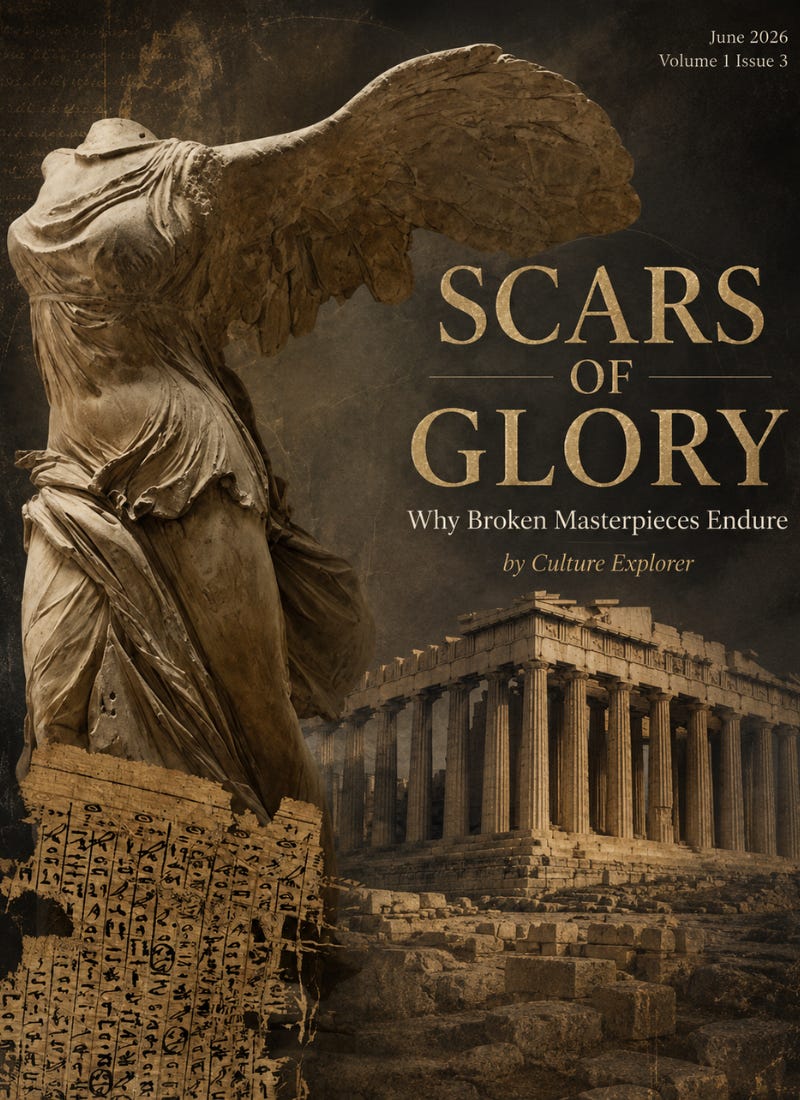
Our third eBook, Scars of Glory: Why Broken Masterpieces Endure, is coming this week. It will explore why cracked statues, ruined temples, unfinished works, and wounded masterpieces often move us more than flawless objects ever could.
Paid subscribers will receive the eBook as part of their membership, along with full access to premium essays, deeper cultural analysis, and future subscriber-only projects.
For a limited time, you can get 15% off an annual subscription and join before Scars of Glory is released.
Become a paid subscriber, support serious cultural writing, and receive the next ebook when it arrives.
Solid List Amigo
While I’d love to see such a massive leap forward in content with thought and depth, you’d be hard pressed to find secondary school teachers who could grok this material let alone the students—among whom would be a smaller percentage who might be able to absorb any of it.
As much as I wish it otherwise, your list might be a college sophomore level philosophy course rather than a viable HS curriculum.