

12 Books That Shape the Western Canon
A Culture Explorer guide to the works of Western literature everyone should read at least once.

Most people were introduced to the classics in the worst possible way: as assignments to finish, not as books that could explain their own lives. Homer was reduced to “epic poetry.” Dante became a medieval map of the afterlife. But these books endured for a reason. They gave the West its most powerful stories about pride, exile, guilt, love, justice, sacrifice, and redemption.
A civilization preserves its deepest books because they keep telling the truth about human nature. Odysseus reminds us why home is worth fighting for. Dostoevsky tells us why conscience cannot be outsmarted.
This is the Culture Explorer reason to read Western literature. Tradition is not nostalgia. It is inherited judgment. Beauty is the form that helps those ideas survive. These twelve books belong on every serious reader’s shelf because they do more than preserve the past. They train the mind to see ambition, courage, grace, and mercy with sharper eyes.
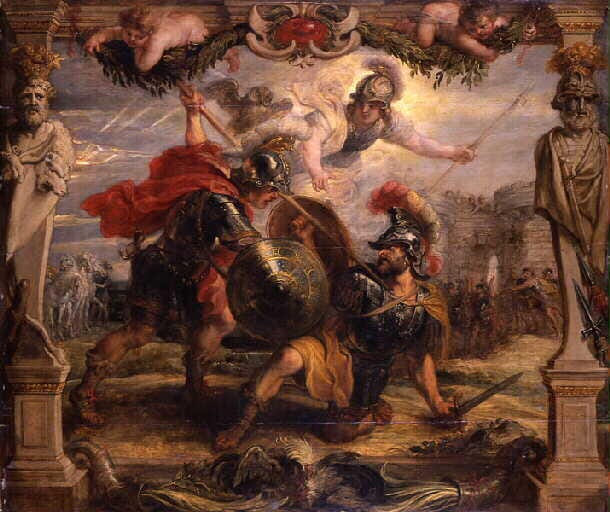
1. Iliad by Homer
The Iliad stands near the beginning of Western literature because it understands greatness and ruin at the same time. Achilles is magnificent, but he is also dangerous. His rage gives the poem its fire. He has courage, strength, beauty, status, and divine favor, yet he nearly destroys everything around him because he cannot master himself.
That is the first great lesson of Western literature. Power without self-command becomes destructive. Homer gives us a world where honor matters, but pride can poison honor. The poem forces the reader to ask what glory is worth if it leaves grief behind.
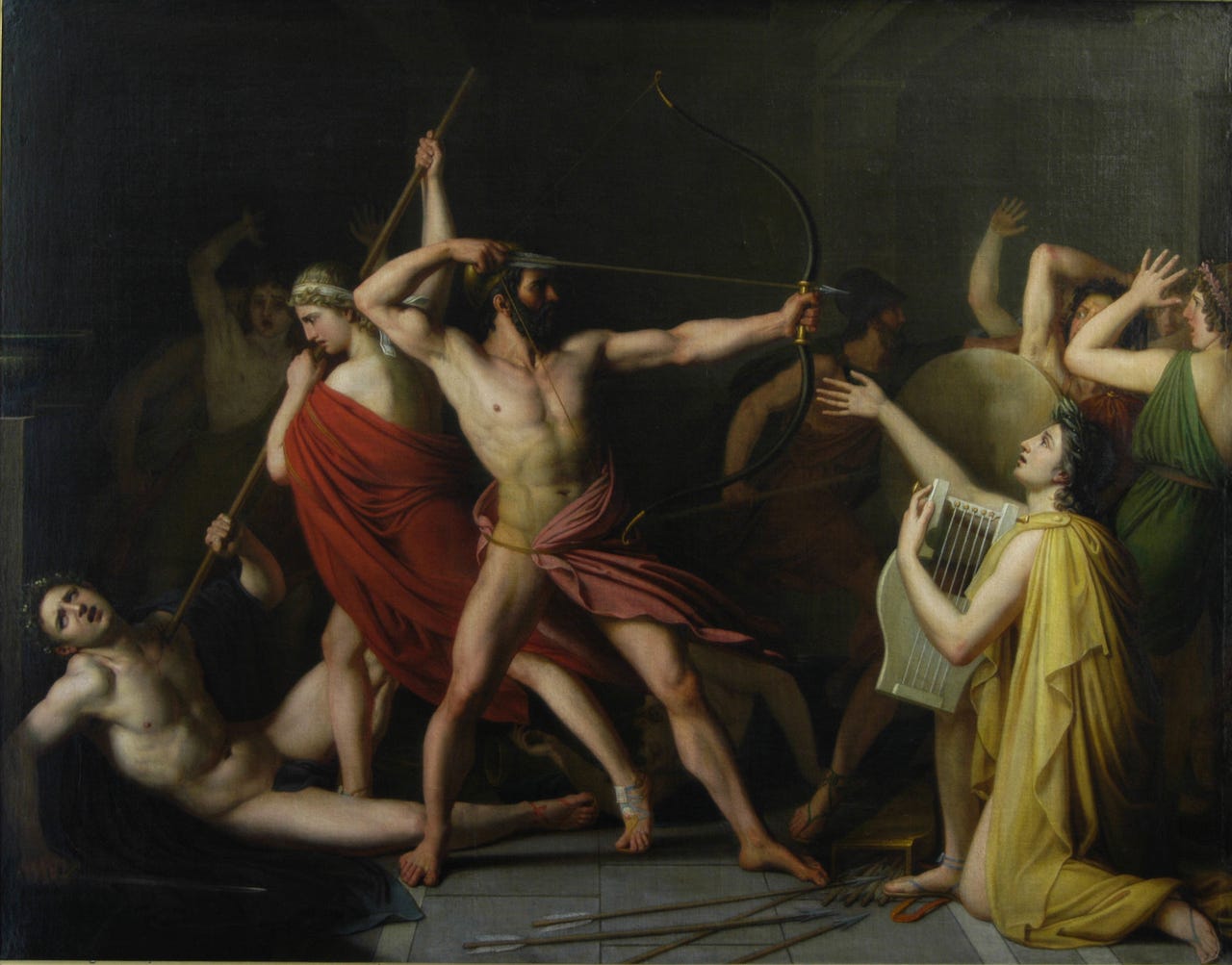
2. Odyssey by Homer
If the Iliad is about war, the Odyssey is about the return home. Odysseus survives storms, monsters, temptations, enchantresses, shipwrecks, and the anger of gods, but the heart of the poem is home. He wants to recover his wife, his house, his name, and his place in the world.
That is why the story still matters. Home is the center that gives life shape. Odysseus has seen wonders, but wonder is not enough. He must return to order, memory, family, and identity. Without those things, he is simply a wanderer.
This makes the Odyssey essential to the Culture Explorer mindset. It reminds us that civilization begins when people know what is worth returning to.
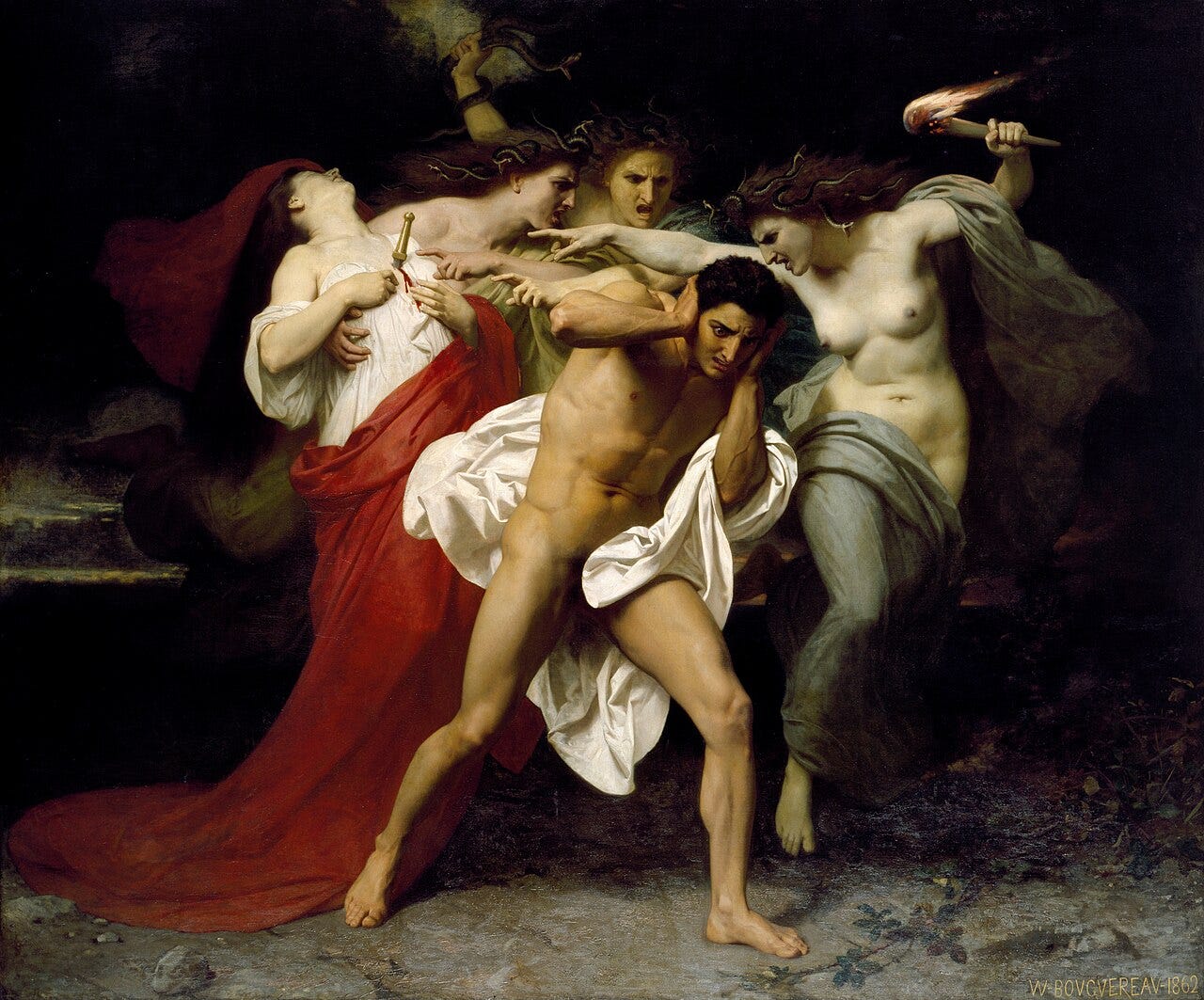
3. The Oresteia by Aeschylus
The Oresteia is one of the great civilizational texts because it shows justice being born out of blood. Agamemnon sacrifices his daughter, Iphigenia. Clytemnestra later murders him in revenge. Orestes then kills his mother to avenge his father. The family becomes trapped in a cycle where each act claims moral necessity, and each crime creates another crime.
Then the story turns. Private vengeance gives way to public judgment. Athens creates a court and the Furies, ancient spirits of blood punishment, are transformed into guardians of civic order. This is a massive civilizational leap.
That is why the Oresteia belongs in any Culture Explorer canon. It shows that law is the discipline that saves a people from endless retaliation. Tradition matters because justice must be inherited, honored, and protected, or society falls back into the oldest human habit of answering blood with blood.
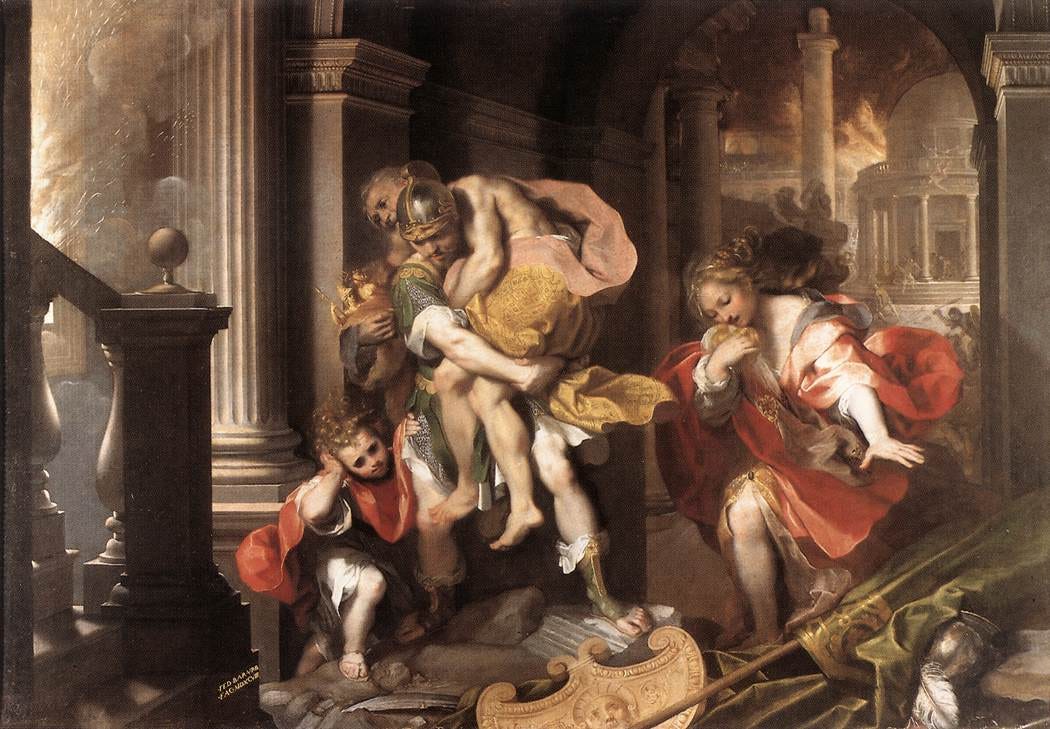
4. Aeneid by Virgil
The Aeneid gives Rome its great literary soul. Aeneas is not Achilles. He is not driven by rage or personal glory. He is a man carrying a defeated people toward a future he will not fully enjoy. His greatness lies in duty. He loses Troy, leaves behind the ruins of one world, and becomes the painful seed of another.
Virgil’s poem shows the cost of founding. Civilizations are built through sacrifice, exile, obedience, grief, and hard choices. Aeneas often looks less free than other heroes because he carries history on his back.
The Aeneid is essential to the Culture Explorer philosophy because it frames civilization as inheritance. Aeneas lives for something larger than himself. That idea cuts against the modern worship of self-expression. Virgil gives us a hero whose deepest greatness is not self-assertion, but responsibility.
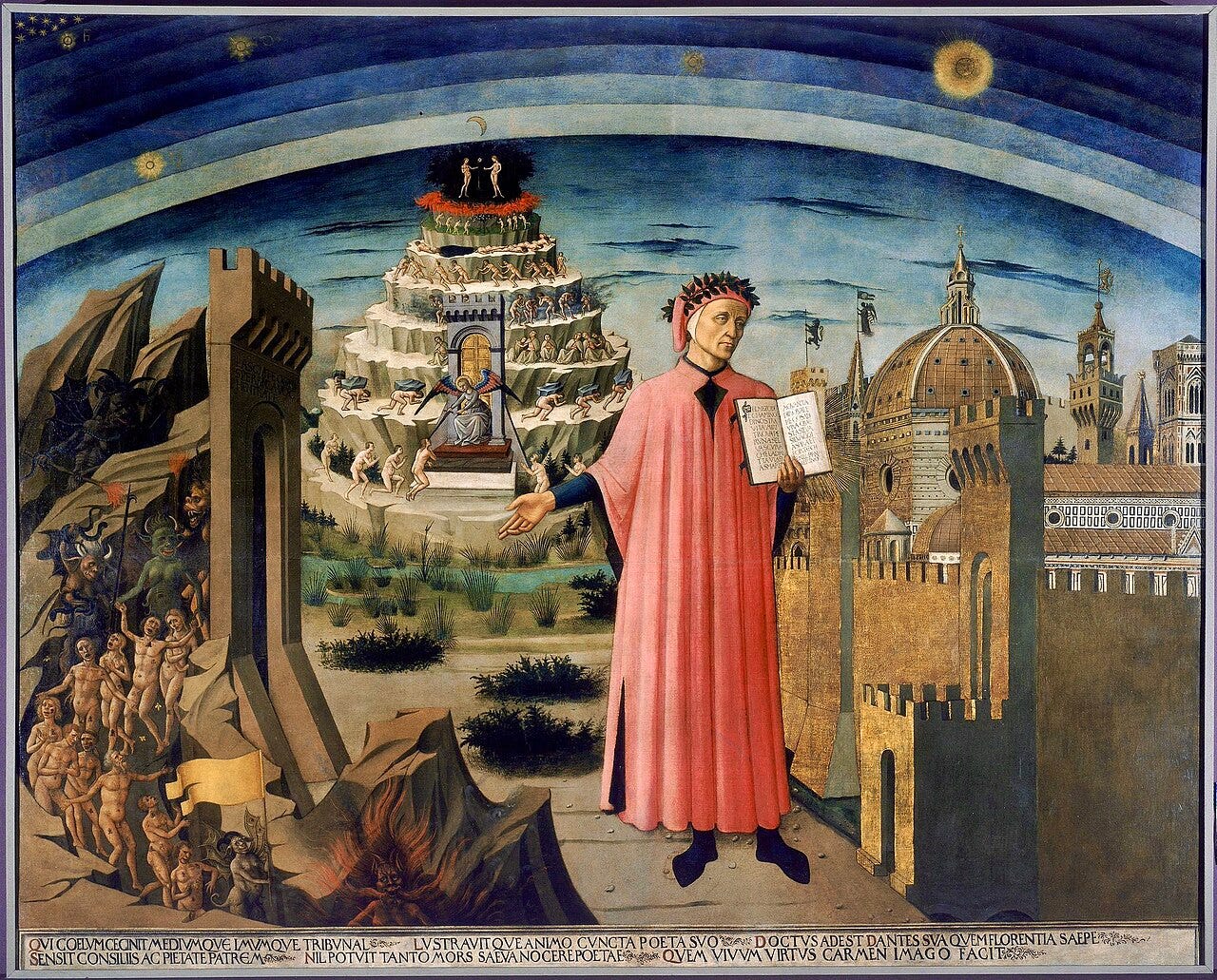
5. Divine Comedy by Dante Alighieri
Dante’s Divine Comedy may be the greatest work ever written about the moral architecture of the soul. Hell, Purgatory, and Paradise are moral realities everyone must ultimately confront. Every person Dante meets has become, in some deep way, the shape of his or her choices.
Dante makes every moral choice visible. In Hell, people are trapped by the sins they refused to abandon. In Purgatory, souls are painfully healed of the habits that bent them out of shape. In Paradise, love becomes the order that holds creation together. Politics, theology, poetry, memory, philosophy, friendship, betrayal, and beauty all enter the poem. The medieval mind appears here in its full size, and it is immense.
For the Culture Explorer canon, Dante is almost unavoidable. He shows what happens when a civilization has a complete vision of man. The soul is not random, desire is not harmless, and beauty is not extra. Everything points somewhere. Tradition matters because Dante reminds us that a culture becomes serious when it knows what the human person is for.
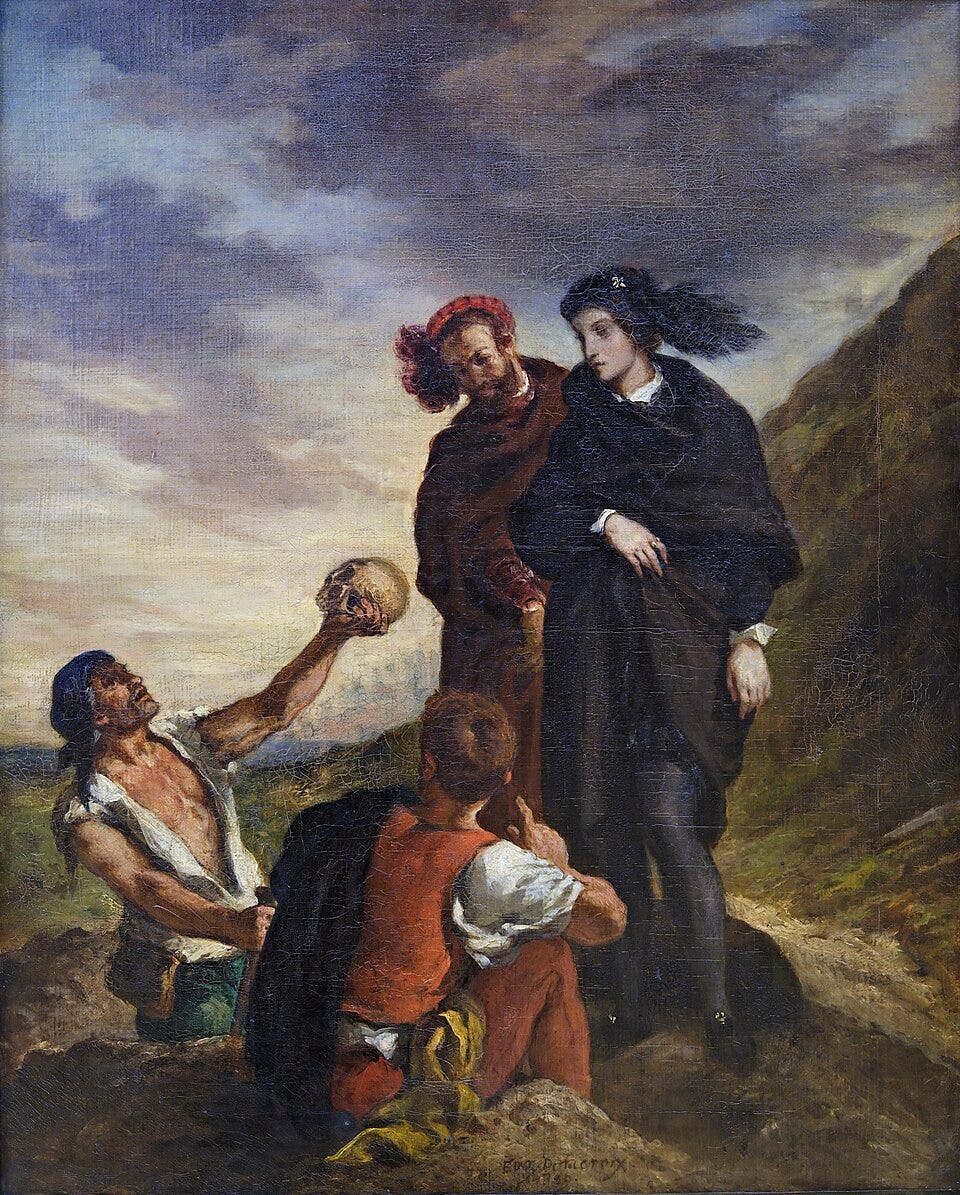
6. Hamlet by William Shakespeare
Hamlet gives Western literature one of its defining modern figures. The intelligent man trapped between moral disgust and inaction. Hamlet sees corruption clearly. His father has been murdered. His mother has remarried too quickly. Denmark feels diseased. Yet his mind keeps circling the crime, testing it, delaying it, doubting it.
That is the force of the play. Hamlet is not weak in a simple sense. He understands too much but acts too late. Shakespeare shows how intelligence can become a prison when it loses the power to decide.
This fits the Culture Explorer frame because Hamlet shows the cost of moral confusion. A rotten court cannot be fixed by cleverness alone. At some point, judgment must become action. Shakespeare understood that a civilization can decay when its best minds can diagnose corruption but cannot answer it.
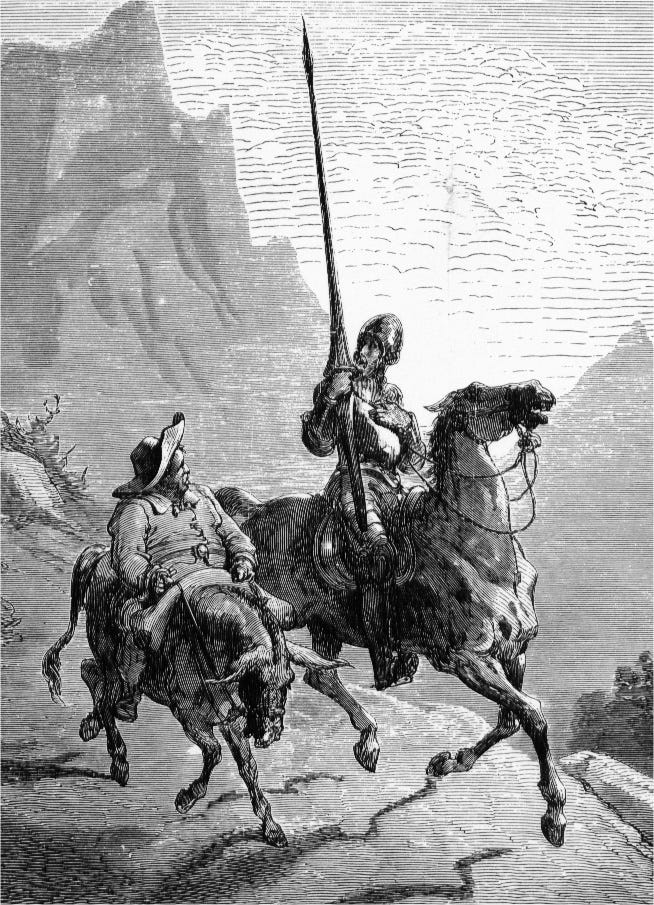
7. Don Quixote by Miguel de Cervantes
Don Quixote is funny, strange, sad, and deeply humane. An old man reads too many chivalric romances and decides to become a knight in a world that no longer believes in knights. He mistakes inns for castles, windmills for giants, and ordinary women for noble ladies. He is ridiculous. He is also unforgettable.
Cervantes makes the reader laugh at Don Quixote, then slowly makes the laughter uncomfortable. The world may be right to mock him, but the world also looks smaller without him. His ideals are outdated, but his hunger for nobility exposes the poverty of a purely practical age.
That is why the book is essential because Tradition Matters. It asks whether tradition can look foolish and still carry truth. It asks whether a society that laughs at inherited ideals has actually become wiser or merely coarser. Don Quixote survives because it refuses the easy answer.
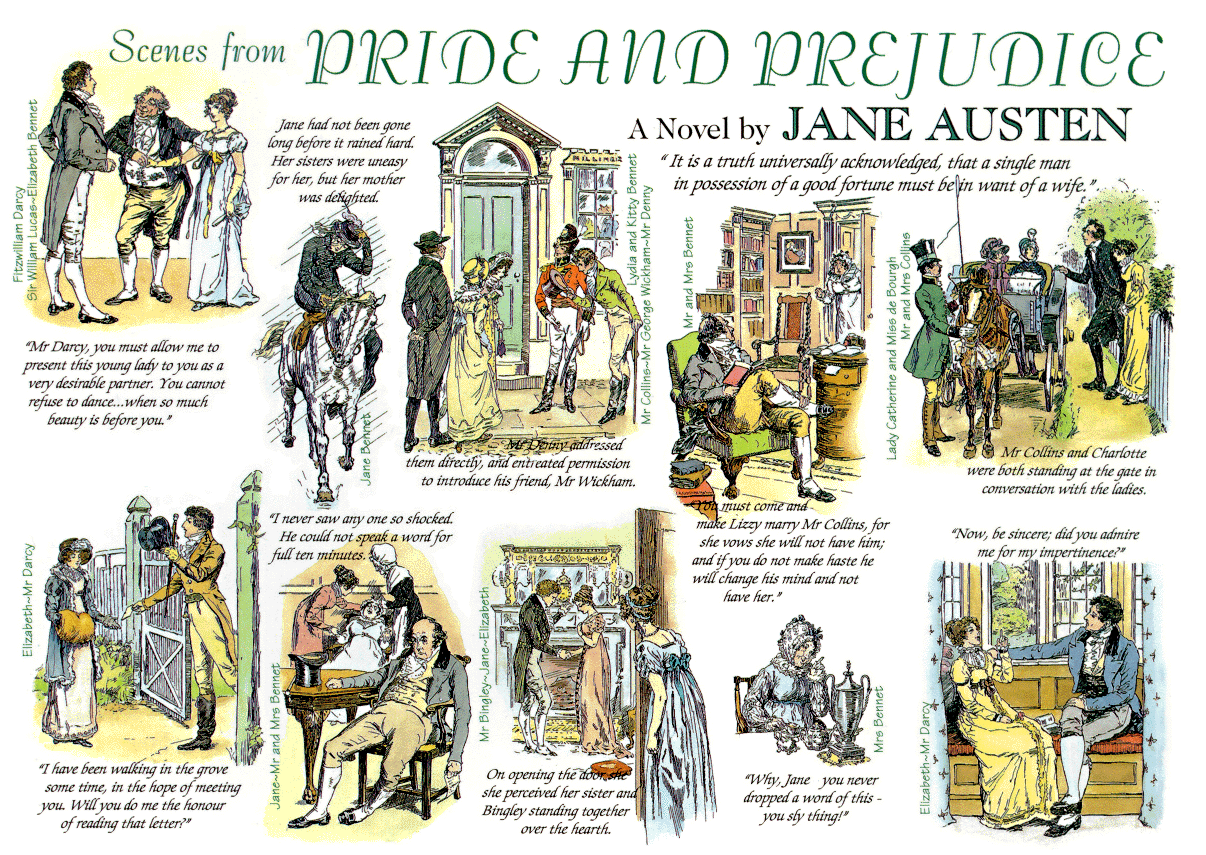
8. Pride and Prejudice by Jane Austen
Jane Austen proves that civilization is not only preserved in cathedrals, epics, and battlefields. It is also preserved in manners, marriage, speech, restraint, family expectations, and the difficult art of judgment. Pride and Prejudice may seem smaller in scale than Homer or Dante, but its moral intelligence is sharp.
Elizabeth Bennet and Mr. Darcy both have to learn how badly they misjudge. Pride blinds him. Prejudice blinds her. Around them, Austen shows a whole society where money, class, vanity, charm, foolishness, and marriage shape human destiny. One careless decision can damage a life.
This belongs in the Culture Explorer canon because Austen understood the moral weight of ordinary life. Tradition matters because social forms train people before crisis arrives. Courtesy, restraint, family duty, and good judgment are not trivial. They are quiet civilizational tools.
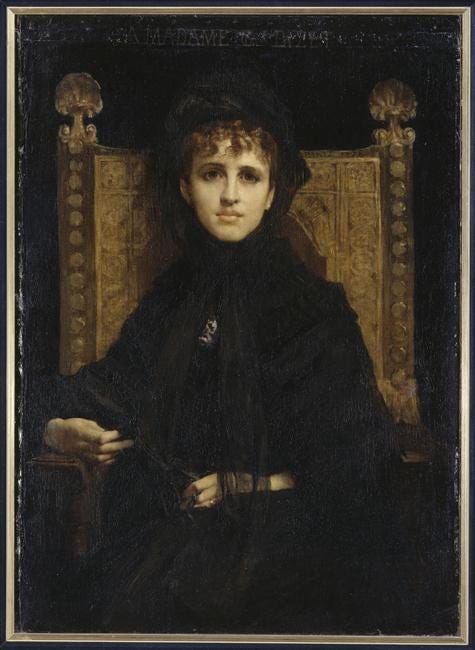
9. In Search of Lost Time by Marcel Proust
Marcel Proust wrote one of the greatest books ever created about memory, time, beauty, and the quiet disappearance of an old world. A taste, a sound, a room, a face, or a piece of music can open an entire buried life. In Search of Lost Time shows that the past does not vanish cleanly. It remains hidden in the senses, waiting for the right moment to return.
The novel also captures a society in transition. Aristocratic salons, family habits, manners, jealousy, ambition, illness, art, and desire all pass through Proust’s vast memory. He understood that civilization is not only preserved in monuments, laws, and battles; it also lives in speech, rituals, taste, rooms, music, and attention.
For Culture Explorer, Proust belongs because he makes memory feel sacred without making it sentimental. Tradition matters because human beings lose themselves when they lose the ability to remember deeply. Beauty matters because it gives memory a form strong enough to survive time.
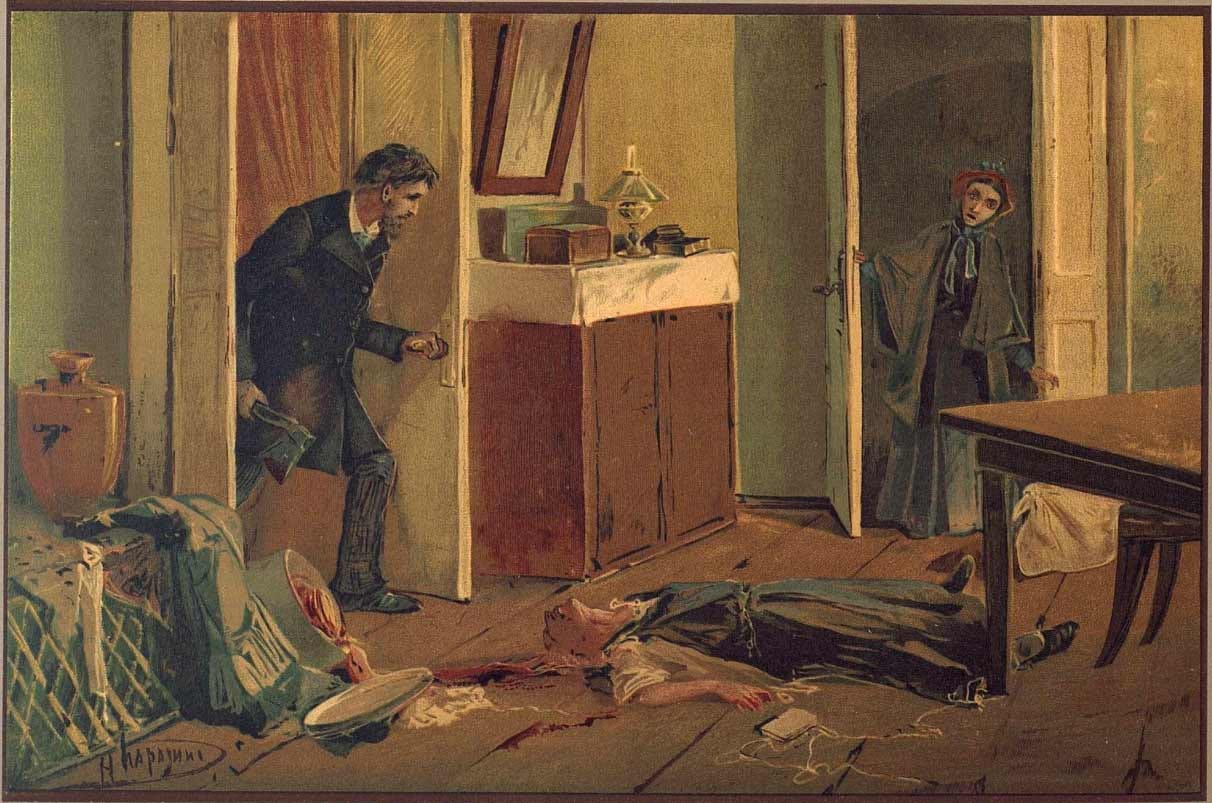
10. Crime and Punishment by Fyodor Dostoevsky
Crime and Punishment is one of the most important novels ever written about conscience. Raskolnikov believes he can step beyond ordinary morality. He thinks some men are superior enough to commit terrible acts in service of a higher purpose. Then he murders an old pawnbroker and discovers that guilt does not disappear just because the mind has found an excuse.
Dostoevsky understood the modern mind before modernity had fully shown its teeth. He saw how ideology could flatter pride. He saw how intelligence could justify cruelty. He saw how a person could use ideas to escape the burden of moral law.
This is why the novel fits the Tradition Matters frame so strongly. Moral law is not an outdated social custom. Guilt is not merely a psychological inconvenience. The soul knows when it has crossed a line. Dostoevsky shows that conscience can be buried, argued against, mocked, and denied, but it does not disappear.
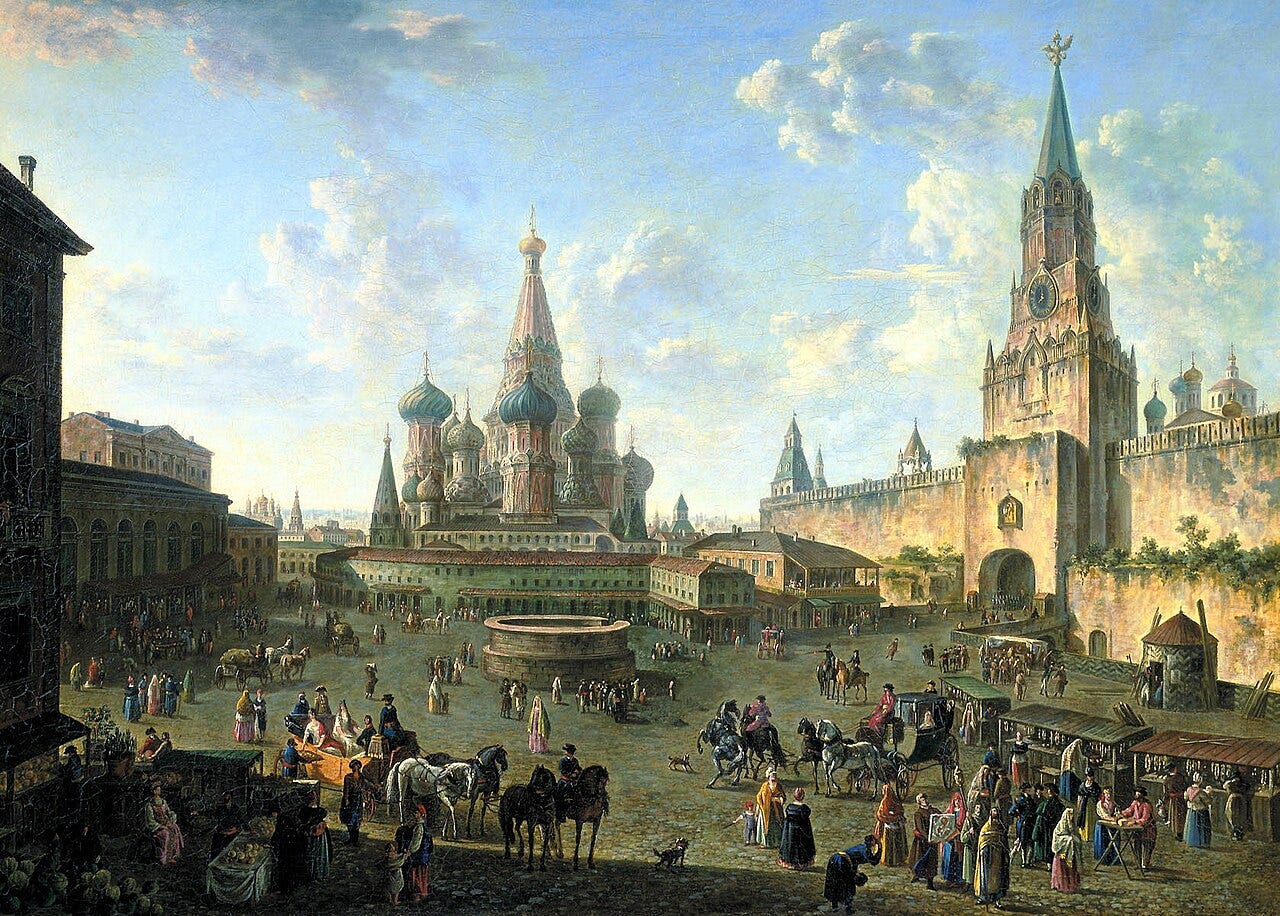
War and Peace may be the fullest novel ever written about civilization at scale. It contains war, empire, family life, politics, salons, courtship, death, vanity, faith, ambition, and spiritual awakening. Napoleon marches through history, but Tolstoy refuses to let history belong only to generals.
That is the genius of the book. Tolstoy shows how enormous events pass through ordinary lives. Austerlitz and Borodino matter, but so do dinners, dances, marriages, friendships, inheritances, prayers, and private moments of shame. History not only takes place on the battlefields, but it is also what happens inside homes and souls.
For Culture Explorer, War and Peace matters because Tolstoy shows that history is not only made by men on horseback. It is also carried by families trying to survive it. Napoleon may dominate the maps, but Tolstoy gives equal seriousness to courtship, inheritance, faith, jealousy, illness, grief, and moral awakening. That is the power of the novel. It makes civilization feel like something lived, not merely recorded.
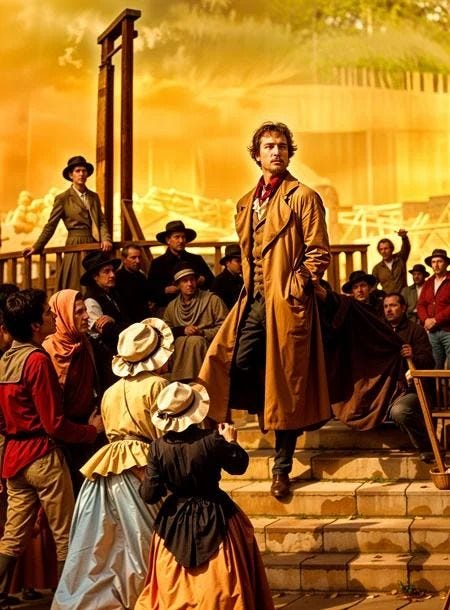
12. A Tale of Two Cities by Charles Dickens
A Tale of Two Cities deserves a place on this list because it gives Western literature one of its strongest portraits of revolution, vengeance, and sacrifice. Dickens opens with a world split by contradiction: the best of times and the worst of times, hope and terror, justice and bloodlust. The French Revolution becomes a test of what happens when suffering turns into vengeance.
The novel understands why people revolt. Dickens does not ignore cruelty, hunger, aristocratic arrogance, or the humiliations that made revolution possible. Yet he also shows how quickly righteous anger can become a machine that devours the innocent. The guillotine begins as an answer to injustice and becomes a new form of worship.
Sydney Carton gives the book its moral center. He is wasted, cynical, and damaged, yet he performs one of the most moving acts of sacrifice in literature. His final choice shows sometimes one ruined man recovers his dignity by giving his life for another.
This is why A Tale of Two Cities fits the Culture Explorer brand so well. It joins history, moral judgment, beauty, and sacrifice in one unforgettable story. Tradition matters because a civilization must remember that justice without mercy becomes terror, and suffering without moral limits can create new monsters.
Why These Books Still Matter
These twelve books belong together because they form a kind of moral map. That is the real reason to read Western literature. These books do not merely tell stories. They train perception. They teach readers how to recognize courage, pride, corruption, loyalty, mercy, madness, sacrifice, and grace. A civilization remembers itself through the books it refuses to forget.
The modern world often treats tradition as a burden and beauty as an accessory. These books prove the opposite. Tradition gives us inherited wisdom. Beauty gives that wisdom a form strong enough to survive. Western literature endures because its greatest works still ask the questions that decide whether a civilization remains human.
That is why reading the canon is not an escape from the present. It is one of the best ways to understand it. Every age has its Achilles, its Odysseus, its Hamlet, its Raskolnikov, and its Sydney Carton. Every age must decide what it honors, what it forgives, what it remembers, and what it is willing to lose.
That is why The Culture Explorer returns to the canon, the cathedral, the painting, the poem, and the old story: not to escape the modern world, but to recover the standards by which we can judge it. These twelve books are one doorway into that inheritance. There are many more rooms to enter.

The mission of Culture Explorer is to defend beauty, tradition, and civilizational memory in an age that forgets all three. Our publication exists to show that great art, architecture, religion, history, and inherited standards are part of what makes human life meaningful, serious, and worth preserving. At its core, the publication argues that beauty is not a luxury, tradition is not nostalgia, and civilizations survive when they remember what made them worth building in the first place.
An excellent framing for these books. If the comments stay within the framing, they should be very interesting. My suggestion for a 13th book is Huckleberry Finn, which teaches that true morality comes from personal conscience and empathy, not from the rules or “civilization” of society—and that doing what is right may require defying social norms, even at great personal cost. (This is a dangerous truth.)
And The Hitchhikers Guide to the Galaxy obviouly 👍