

15 Mothers Who Shaped Civilization
The mothers behind history’s giants

Mother’s Day should not shrink motherhood into flowers, cards, and brunch. Those gestures can be beautiful, but they are too small for what mothers have carried through history. Behind prophets, emperors, saints, reformers, queens, and founders stood women who shaped the first world those children ever knew.
That influence usually began before anyone called it history. It began in the child’s first language, first habits, first fears, first prayers, and first sense of duty. A ruler may inherit a throne, but long before that, he inherits a mother’s voice. A saint may leave behind writings, miracles, and disciples, but long before that, someone taught him what reverence looked like inside ordinary life. Civilization is built in public, but it is often formed in private first.
So today, on Mother’s Day, let us look one generation earlier. These fifteen mothers did not merely raise children who entered history. Their lives became part of the hidden architecture behind civilization itself.
1. Mary
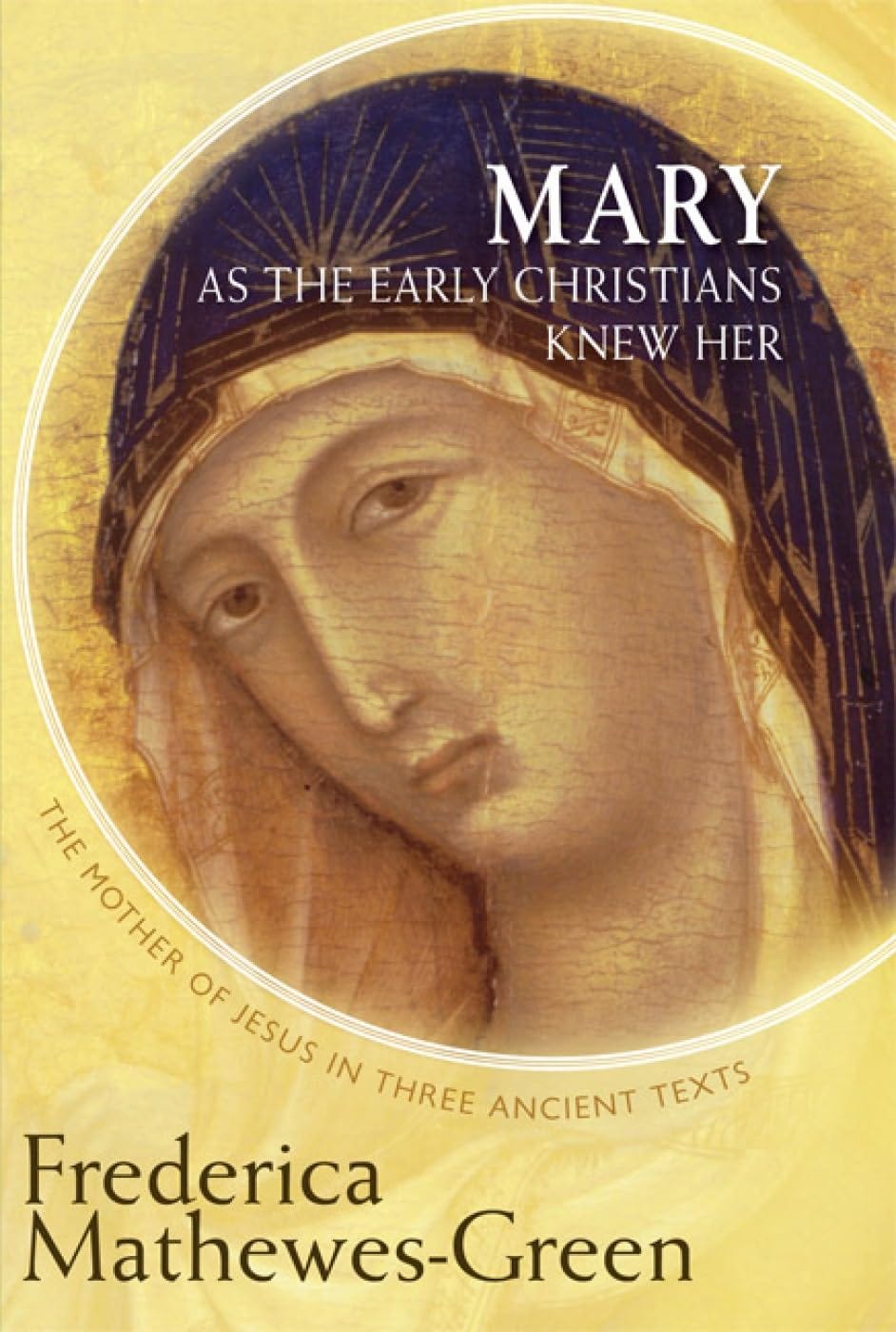
Mary stands at the top of this list because no mother has shaped the religious and artistic imagination more deeply. The New Testament gives us only fragments of her life, yet Christian civilization turned those fragments into one of the most powerful images in human history. Mary appears as the mother holding the Christ child, the woman at the foot of the Cross, the sorrowing figure in the Pietà, and the queenly presence of thousands of icons, altarpieces, hymns, feast days, and pilgrimages. Her image became a shared language for tenderness, grief, obedience, and sacred motherhood. She was venerated in the Christian church since the apostolic age and as a favorite subject in Western art, music, and literature.
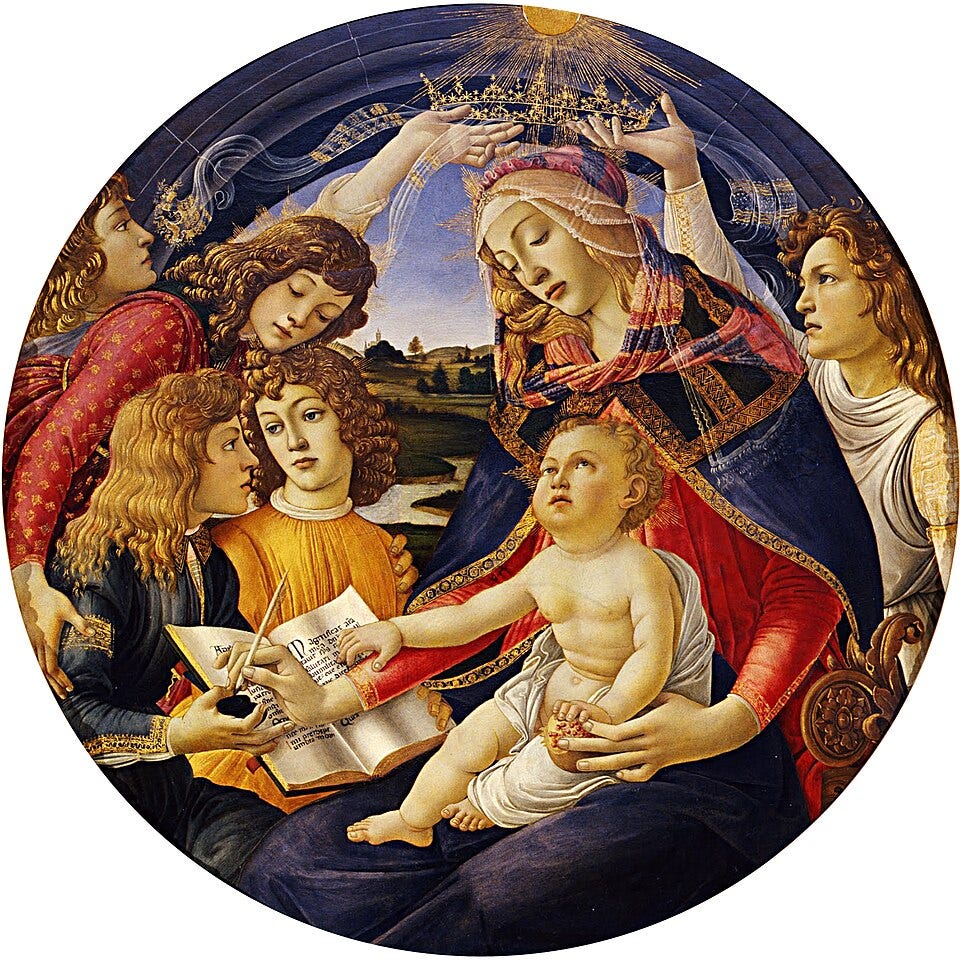
Her influence did not remain inside theology. It entered stone, paint, music, and daily devotion. Gothic cathedrals rose under her name. Renaissance masters returned again and again to the Madonna and Child because the image joined the divine and the human in a form anyone could recognize. A mother holds a child, watches suffering, or bears grief without public power. That simple human scene became one of the great engines of Western visual culture.
2. Khadijah bint Khuwaylid
Khadijah bint Khuwaylid is another mother that belongs near the top because Islam’s first household was also one of its first shelters. She was a merchant of standing in Mecca, the first wife of Muhammad, and, according to Islamic tradition, the first person to accept his message. She believed before belief was safe. She gave him emotional strength when revelation first shook him, and she gave social and material support when the new faith was still vulnerable. She was the first convert to Islam who supported Muhammad when his revelations began in 610.
Her motherhood sits close to Islam’s sacred family memory. She was the mother of Fatimah, through whom the Prophet’s household would hold immense significance for Shia Muslim history. Khadijah’s greatness lies in this rare combination: business authority, marital loyalty, maternal place in the Prophet’s family, and spiritual courage at the beginning of a world religion. She protected a civilization before anyone knew what it would become.
3. Sarah
Sarah stands near the root of Abrahamic sacred history. She was the wife of Abraham and the mother of Isaac. Her story turns on barrenness, delay, disbelief, laughter, and the startling birth of a son in old age. Sarah was childless until she was 90 and that Isaac was born as the fulfillment of God’s promise.
Isaac became the second patriarch of Israel, the father of Esau and Jacob, and a central figure in the covenantal story. Sarah’s motherhood therefore carries theological weight across Jewish, Christian, and Islamic memory, even where the traditions interpret the family story differently.
4. Olympias
Olympias was the mother of Alexander the Great, but she was never merely a background figure in a royal nursery. She was the wife of Philip II of Macedon, a princess of Epirus, and a force inside the violent court politics that surrounded Alexander’s rise. She is described as passionate and imperious and is noted for her role in the power struggles that followed the deaths of both Philip and Alexander.
Alexander’s story usually moves quickly to conquest: Granicus, Issus, Gaugamela, Egypt, Persia, India. Yet before the battlefield came a Macedonian court filled with rivalry, assassination, succession anxiety, and competing claims to legitimacy. Olympias helped shape the atmosphere of destiny around her son. Ancient writers later wrapped her in stories of divine ancestry, omens, and ferocity. Some of those stories must be read with caution, but their survival tells us something important. Alexander’s legend needed a mother large enough to match his ambition, and antiquity gave him Olympias.
5. Rhea Silvia
Rhea Silvia belongs to legend, yet legend can shape a civilization’s self-understanding as powerfully as documented history. She was remembered as the mother of Romulus and Remus, the twins tied to the founding of Rome. Her story is violent and symbolic. Rhea Silvia is forced into religious celibacy as a Vestal Virgin yet gives birth to twins associated with Mars. The children are cast away, rescued, suckled by the she-wolf, and eventually tied to the birth of Rome.
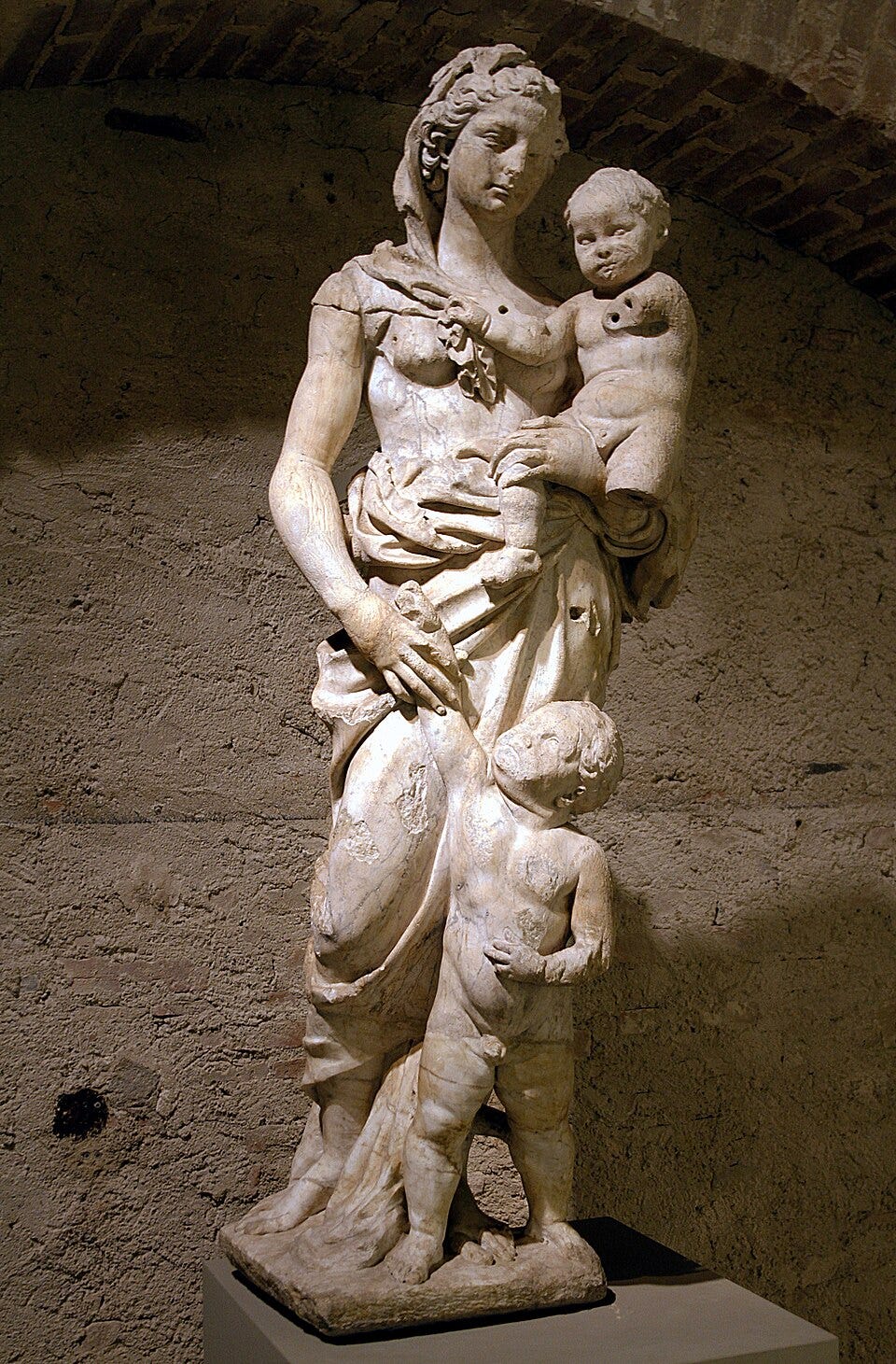
The myth gives Rome an origin filled with violated lineage, divine ancestry, exposed infants, survival, and fratricide. Rome imagined itself through Rhea Silvia’s body and her sons. She is the mother of a city before she is the mother of a historical person.
6. Cornelia Africana
Cornelia Africana represents another kind of maternal power: formation through education, discipline, and civic seriousness. She was the daughter of Scipio Africanus and the mother of Tiberius and Gaius Gracchus, the Roman reformers whose careers exposed the growing fractures of the late Republic. She is remembered as the highly cultured mother of the Gracchi brothers.
Rome remembered Cornelia as a model of noble motherhood. The famous story says that when another woman displayed her jewels, Cornelia pointed to her sons and called them her treasures. The anecdote may have been polished by Roman moral tradition, but its meaning lasted because it captured a Roman ideal: the mother as guardian of character, restraint, learning, and public duty. Her sons became symbols of reform and political violence. Cornelia became the mother whose household seemed to produce men serious enough to challenge the Republic’s corruption.
7. Agrippina the Younger
Agrippina the Younger shows how motherhood could become a route into imperial power. She was the mother of Nero, sister of Caligula, wife of Claudius, and one of the most formidable women of the Julio-Claudian dynasty. She was a powerful influence during the early years of Nero’s reign.
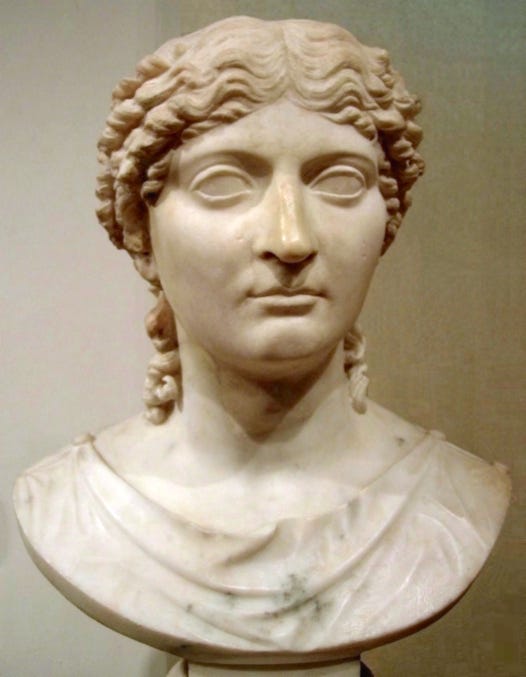
Her story is dark because it reveals the danger inside dynastic motherhood. Agrippina did not simply raise a future emperor. She helped engineer one. She married Claudius, secured Nero’s adoption, and pushed him ahead in the imperial succession. Her power depended on her son’s rise, but once Nero ruled, the mother who had helped make him emperor became a threat to his independence. Her murder in 59 A.D. became one of the great scandals of Nero’s reign. Agrippina changed Roman history through motherhood, ambition, and court strategy, though the result was poisoned by the very power she helped create.
8. Fatimah al-Zahra
Fatimah al-Zahra carries a different kind of force. She was the daughter of Muhammad and Khadijah, the wife of Ali, and the mother of Hasan and Husayn. Through her, the Prophet’s family became a living line of memory, devotion, grief, and legitimacy. Her children, Hasan and Husayn, became central to Islamic history, and Husayn’s death at Karbala in 680 A.D. became one of the deepest wounds in Shia memory.
Fatimah’s importance cannot be reduced to genealogy, even though her genealogy is immense. She became a moral image of purity, suffering, loyalty, and sacred nearness. Through her sons, the story of the Prophet’s household became tied to martyrdom, contested authority, and the cost of spiritual inheritance. Few mothers in history have been remembered with such intensity by communities who see family, faith, and tragedy bound together.
9. Monica of Hippo
Monica of Hippo’s motherhood became inseparable from one of Christianity’s most influential conversions. Augustine’s Confessions made her more than a biographical detail. She became the praying mother whose grief, patience, and persistence formed part of Augustine’s long road to faith.
Monica’s importance rests on a familiar human drama. Parents cannot command the souls of their children. They can warn, grieve, correct, pray, and wait. Monica’s memory endured because Augustine placed her tears and prayers inside the story of his restless mind. Through him, she became tied to one of the major intellectual lives of Christian history. Through her own sanctity, she became a patron figure for mothers who suffer over children they cannot control.
10. Queen Victoria
Queen Victoria turns motherhood into a map of modern Europe. She ruled Britain from 1837 to 1901, but her influence did not stop at the throne. She and Prince Albert had nine children, and those children married into the ruling houses of Germany, Russia, Spain, Romania, Sweden, Norway, and Greece. Her eldest daughter, Victoria, became German empress and mother of Kaiser Wilhelm II. Her granddaughter Alexandra married Tsar Nicholas II of Russia. Her grandson George V ruled Britain during the First World War. By the early 20th century, Europe’s royal courts were not just diplomatic rivals. Many were cousins.
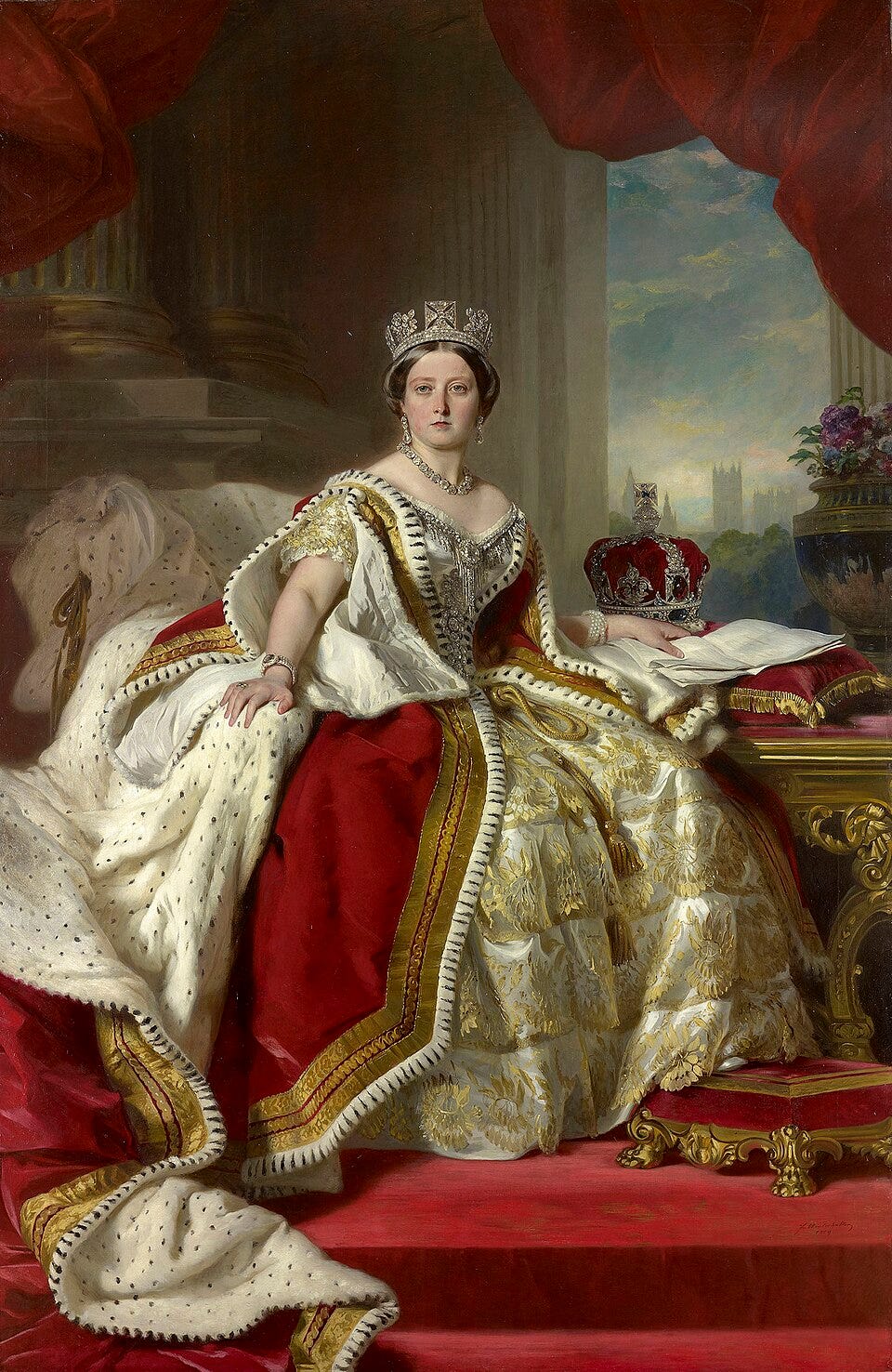
That is why Victoria became known as the “Grandmother of Europe.” The title sounds affectionate, but the reality was political. Her family tree stretched across monarchies that would soon face revolution, war, and collapse. The First World War was not caused by Victoria’s descendants, but the fact that Britain’s George V, Germany’s Wilhelm II, and Russia’s Alexandra were all tied to her family shows how deeply one mother’s line entered European history. Her descendants also carried the hemophilia gene into several royal houses, including Russia, where the illness of Tsarevich Alexei helped intensify the Romanovs’ dependence on Rasputin. Victoria’s motherhood became part of Europe’s dynastic strength, private tragedy, and imperial unraveling.
11. Empress Helena
Empress Helena stands at the meeting point of motherhood, empire, and Christian memory. She was the mother of Constantine the Great, the emperor whose reign changed Christianity’s position in the Roman world. When Constantine became emperor at York in 306, he made Helena empress dowager, and that under his influence she later became Christian.
Helena’s fame grew most strongly from her journey to the Holy Land late in life. By then she was not a young royal mother but an elderly empress dowager moving through the places Christians associated with the life of Christ. Tradition credits her with discovering the True Cross in Jerusalem, though historians treat the details with caution because the story developed over time. What is more secure is that her pilgrimage helped mark Christian memory onto physical places. Churches connected with Christ’s birth in Bethlehem and his Ascension on the Mount of Olives became tied to her patronage. That made Helena become one of the figures who helped turn Christianity from a persecuted faith into a religion with imperial buildings, holy sites, pilgrimage routes, and a visible map of sacred history.
12. Hannah
Hannah was a woman in the Hebrew Bible who longed for a child, prayed at Shiloh, and promised that if she bore a son, she would dedicate him to God. That son was Samuel. After his birth she brought him to Shiloh for religious training. The child she surrendered became one of the decisive figures in Israel’s move toward monarchy.
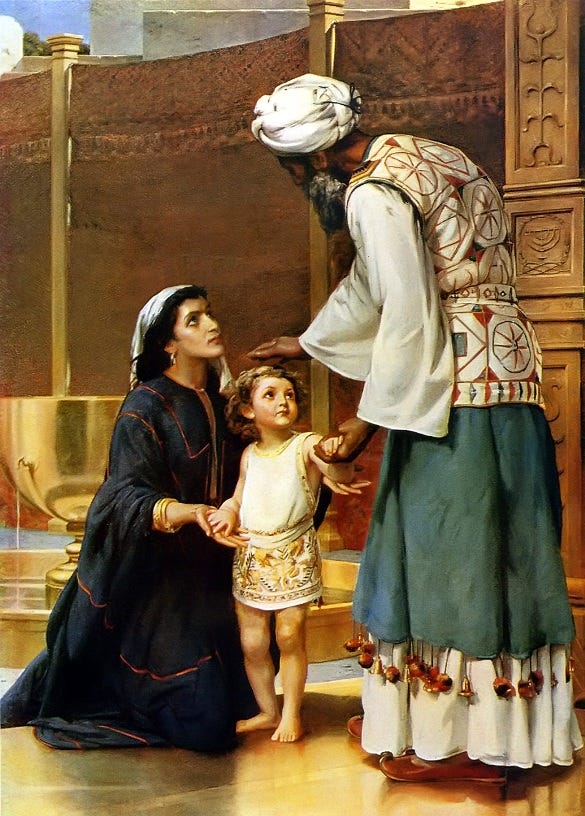
Samuel stood at the hinge between the age of judges and the age of kings. He is tied to the anointing of Saul and David, which means Hannah’s prayer stands behind a major turn in biblical history. Her song of praise also became one of Scripture’s great poems of reversal, where the proud are brought low and the lowly are raised. That is why Hannah’s story still feels alive. It begins with private anguish and ends inside the political and spiritual destiny of Israel.
13. Eleanor of Aquitaine
Eleanor of Aquitaine was queen of France through her marriage to Louis VII, queen of England through her marriage to Henry II, and mother of Richard the Lionheart and King John. Her children stood at the center of English, French, and crusading politics.
Eleanor’s marriage to Henry II helped bind England, Normandy, Anjou, and Aquitaine into a vast Angevin sphere. Her sons rebelled against their father, Richard went on crusade, and John’s reign would later help produce the crisis behind Magna Carta. Eleanor herself remained politically active into old age. After Richard’s death and John’s accession, she helped save Anjou and Aquitaine for John against French threats. Few mothers in medieval history stood so long at the center of dynastic survival.
14. Anne Boleyn
Anne Boleyn belongs because history answered Henry VIII’s obsession with a male heir through the daughter he did not prize enough. Anne was Henry’s second wife and the mother of Elizabeth I. Her marriage to Henry helped trigger England’s break with the Roman Catholic Church and the English Reformation. The events surrounding Henry’s annulment from Catherine of Aragon and marriage to Anne led him to break with Rome.
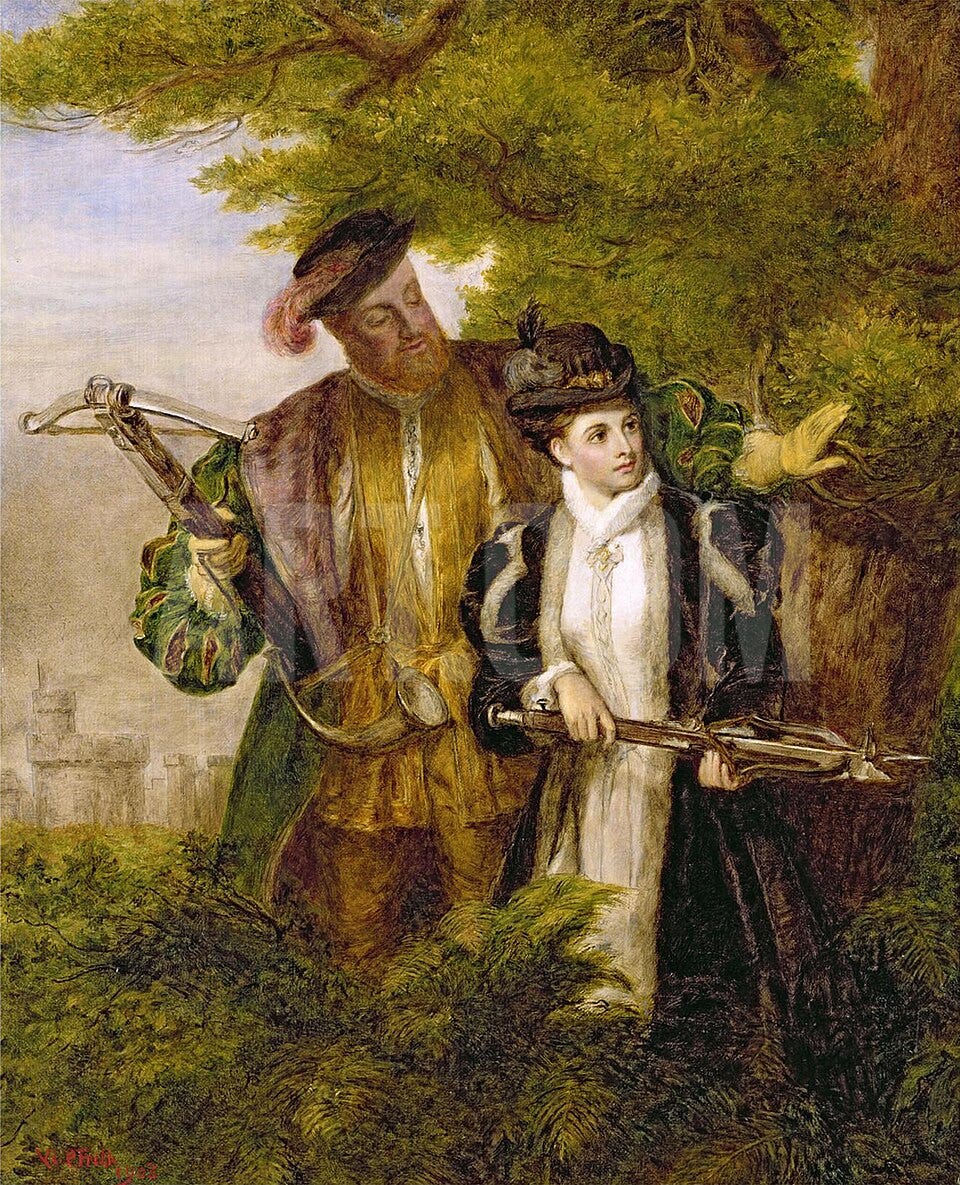
Anne’s life ended in catastrophe. Elizabeth was only three when Henry had Anne executed and their marriage declared invalid, which made Elizabeth illegitimate and removed her from the line of succession for a time. Parliament later restored her. The irony is brutal. Anne failed to give Henry the son he demanded, but her daughter became one of England’s most famous monarchs. Elizabeth’s reign later became associated with Protestant settlement, naval power, court culture, and the flowering of English letters.
15. Catherine de’ Medici
Catherine de’ Medici closes the list because she placed motherhood at the center of early modern statecraft. Born into the Medici family in Florence, she became queen consort of Henry II of France, then regent and queen mother during one of France’s most dangerous periods. Three of her sons became kings of France: Francis II, Charles IX, and Henry III. She became one of the most influential personalities of the Catholic and Huguenot wars.
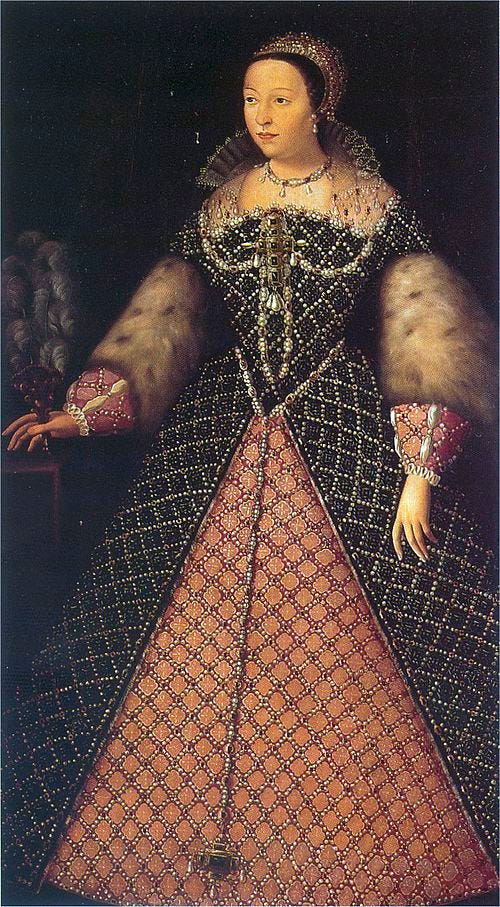
Catherine bore 10 children, and her motherhood became inseparable from the survival of the Valois monarchy. After Henry II died in 1559, she had to navigate court factions, weak royal sons, the Guise family, Protestant and Catholic conflict, and the violence of the French Wars of Religion. She became regent for Charles IX and dominated much of his reign, while attempting to manage the Wars of Religion. Her reputation remains contested, especially because of the St. Bartholomew’s Day Massacre. Yet that controversy makes her impossible to ignore. She was the mother of kings in an age when motherhood meant calculation, survival, and the terrible burden of holding a crown together while the country bled.
These fifteen women show that motherhood has never been a small force in history. It can be holy, tender, ambitious, political, tragic, or ruthless. It can preserve a faith, shape a dynasty, protect a prophet, form a saint, raise a conqueror, or carry a civilization’s founding myth. The public record often begins when the child enters history books.
History may remember the child who ruled, preached, conquered, or reformed, but Mother’s Day asks us to look one generation earlier to the women who carried, formed, protected, corrected, suffered for, and sometimes fought through the children who changed the world.
The mission of Culture Explorer is to defend beauty, tradition, and civilizational memory in an age that forgets all three. Our publication exists to show that great art, architecture, religion, history, and inherited standards are part of what makes human life meaningful, serious, and worth preserving. At its core, the publication argues that beauty is not a luxury, tradition is not nostalgia, and civilizations survive when they remember what made them worth building in the first place.
The fastest way to destroy a civilization isn’t war. It’s teaching people to accept ugliness.
However, civilizations that cared about beauty, built things that still command respect centuries later.
That’s the line we’re exploring here. Through essays, visual threads, and now two eBooks, I’m researching and documenting what made cultures endure and what caused them to decay.
If you want to support this work, a paid subscription makes it possible to go deeper and publish more consistently.
Paid members get:
– Full access to premium essays and longform breakdowns
– Early access to new ebooks and future releases
– Deeper analysis on art, architecture, and civilizational themes
– Direct connection to ongoing research and ideas behind the content
This publication is about recovering standards that shape people, and through them, shape the future. If that matters to you, you’re in the right place.
Subscribe to get full access to the newsletter
Excellent tribute to Mother’s Day CE!❤🌹️
Such an beautiful post to Mother‘s Day/Muttertag! Thank you very much