

Endurance Begins with Discipline, Not Comfort
Article 4 of The Ramadan Blueprint - Ibn Khaldun

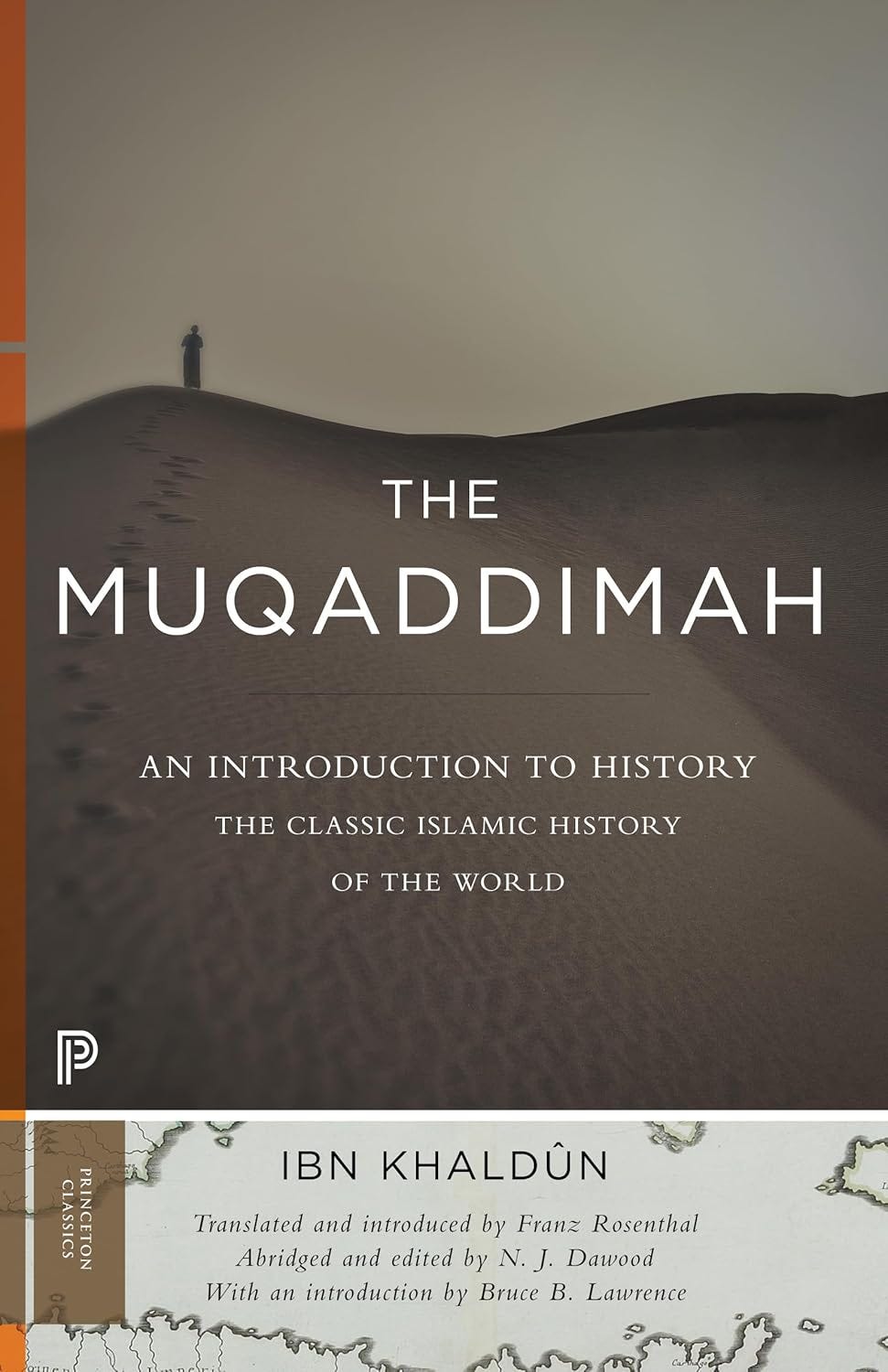
In 1377, hiding in a fortress in what is now Algeria, Ibn Khaldun began writing the Muqaddimah. He was a political insider who had served North African courts, negotiated with rulers, been imprisoned, and watched dynasties collapse from within. In the opening pages, he makes a bold claim: history is not just stories about kings. The inner meaning of history requires investigation into causes and patterns. Most historians, he says, simply transmit reports. They do not test whether those reports are even possible.
He gives a concrete example. Some historians claimed Moses led an assembly of 600,000 men. Ibn Khaldun asks a practical question: could Egypt and Syria even sustain that number of men? Could such a force march without stretching beyond the horizon?
If logistics make it impossible, the report must be false. For him, history must be checked against social reality. That move alone is revolutionary. He is saying: numbers must match economics, armies must match agriculture, and power must match population.
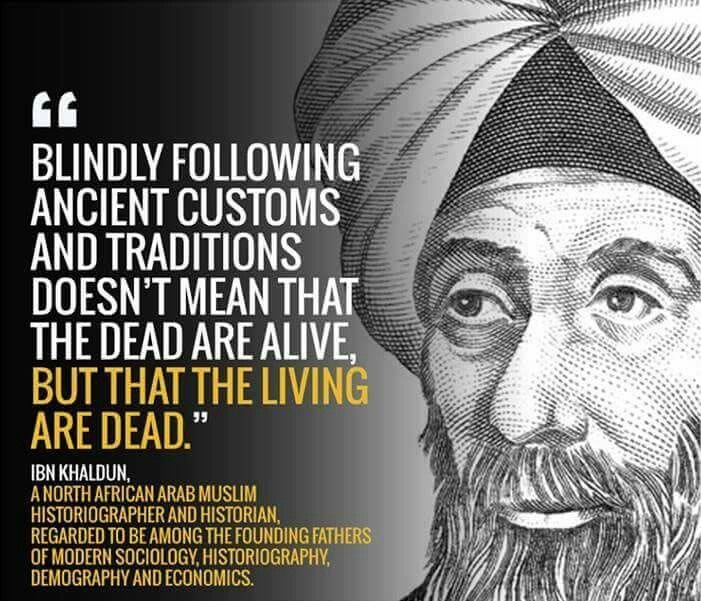
Then he builds his central theory. Human beings cannot survive alone. Even a loaf of bread requires multiple crafts: farming, grinding, baking, tool-making. Because humans must cooperate, social organization becomes necessary . And once people gather, they require authority to restrain aggression. That authority becomes kingship.
But here is where he goes further.
He observes that desert tribes, living in hardship, develop intense group loyalty. He calls it ʿasabiyyah — social cohesion. Among Bedouin groups, survival depends on mutual defense. There is no luxury. No bureaucratic comfort. Loyalty is tight because life is hard. These tribes conquer cities.
He watched this pattern in the western part of the Arab and Islamic world in North Africa. Berber and Arab tribal confederations would overthrow urban dynasties. At first, the new rulers are disciplined. Taxes are low, military strength is high, and the leader shares hardship with his followers.
Then comes the second generation. They grow up in palaces. They inherit power instead of earning it. They outsource defense to mercenaries. They raise taxes to support luxury. Administrative layers expand. The ruler becomes distant from the tribe that brought him to power. By the third or fourth generation, solidarity is gone. The dynasty survives on ceremony, not cohesion. A new tribal group with stronger ʿasabiyyah appears at the frontier.
Cycle is complete. This is a structural theory of political decay.
Modern historians later called him a precursor to sociology because he treats society like a system governed by patterns. He argues that historical reports must be tested against general laws of social organization. That is methodology.
Now bring this to 2025.
When a nation becomes wealthier but less cohesive, Ibn Khaldun would not ask first about elections. He would ask: has shared struggle disappeared? Has comfort replaced discipline? Are leaders dependent on hired enforcement instead of loyal solidarity?
Look at corporations. Startups begin with tight teams. Everyone sacrifices. Long hours. Shared risk. Once successful, bureaucracy grows. Incentives change. Internal politics replaces mission. Innovation slows. The pattern repeats.
Look at families. First generation builds. Second maintains. Third spends.
That is Ibn Khaldun’s lens.
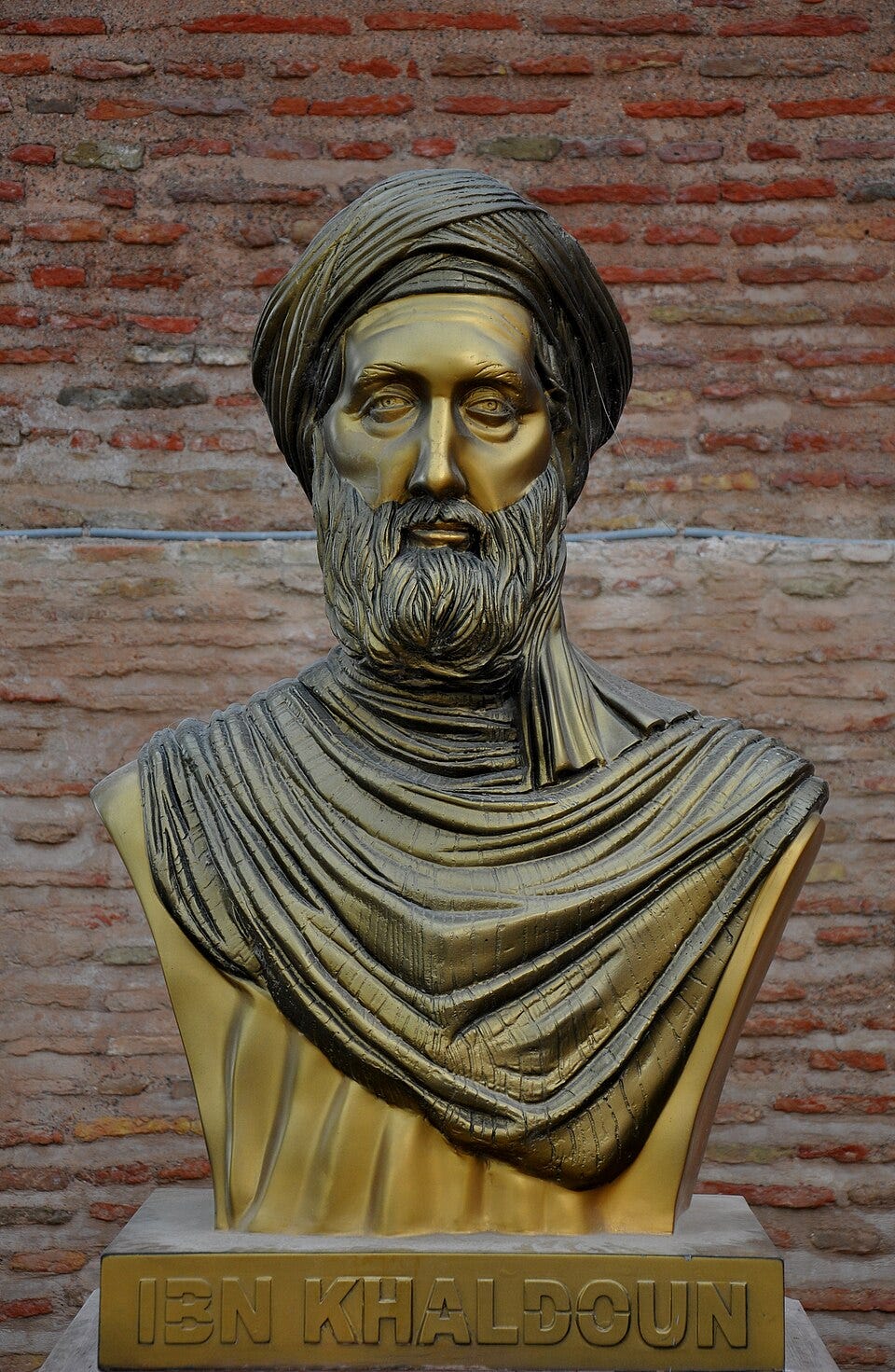
Studying him forced me to rethink how I read headlines. Perhaps, instead of reacting to scandals, I should start asking structural questions. Who actually holds cohesion? Where is loyalty strongest? Which institutions rely on force rather than shared belief?
Fasting during Ramadan or Lent sharpens this insight. Fasting trains restraint. It strengthens internal cohesion between will and action. Ibn Khaldun’s theory is not only political. It is psychological. When discipline weakens, decay begins. When cohesion strengthens, power consolidates.
The lesson he teaches is simple: history follows laws. Ignore them, and you misread events. Understand them, and you see decline before it becomes collapse.
Gift #4 reminds us that if we want to understand where a society is headed, we must look past daily controversies and must learn to see the patterns beneath events that actually determine whether a civilization rises or declines. On Sunday, we turn to the next mind in this Blueprint who confronts those forces from another direction.
For Ramadan and Lent, I’m offering 15% off a full year of The Culture Explorer.
These seasons are about discipline and renewal. That is what this newsletter is built on. Each week, you receive deeply researched essays on art, theology, architecture, and the civilizational ideas that still shape us.
As part of this special, paid subscribers will also receive a downloadable copy of “12 Life Lessons From 2000 Years of Christian Theology.”
If you have been thinking about joining, this is the time. Lock in 15% off for 12 months and step into a year of serious cultural exploration.
The first 3 chapters of Lawrence's "Seven Pillars of Wisdom" echo this. Evolution by Natural Selection only takes place where there is a struggle for survival.
A very intriguing idea, one we may all require learning from.