
How to Build a Personal Canon That Makes You Culturally Literate
Five Ways to Rebuild Cultural Literacy

We have more access to knowledge than any generation in history, yet cultural literacy is quietly collapsing. Here are five ways to rebuild cultural literacy and develop a deeper understanding of art, history, and the ideas that shaped civilization.
The greatest threat to culture today is not censorship. It is the algorithm. Not because algorithms hide knowledge, but because they fragment it. They replace the slow accumulation of cultural memory with an endless stream of disconnected content. One moment you see a Renaissance painting. A second later a political outrage. Then a meme. Then a quote pulled out of context from a philosopher most people have never read.
Everything becomes equal in the feed. A cathedral, a civilization, and a trending controversy all occupy the same space on the screen. The algorithm has no hierarchy of meaning. It rewards novelty, speed, and emotional reaction. Culture, on the other hand, was built slowly. It depends on continuity. It depends on memory.
The result is something new in human history: a generation surrounded by information but disconnected from the intellectual traditions that give that information meaning.
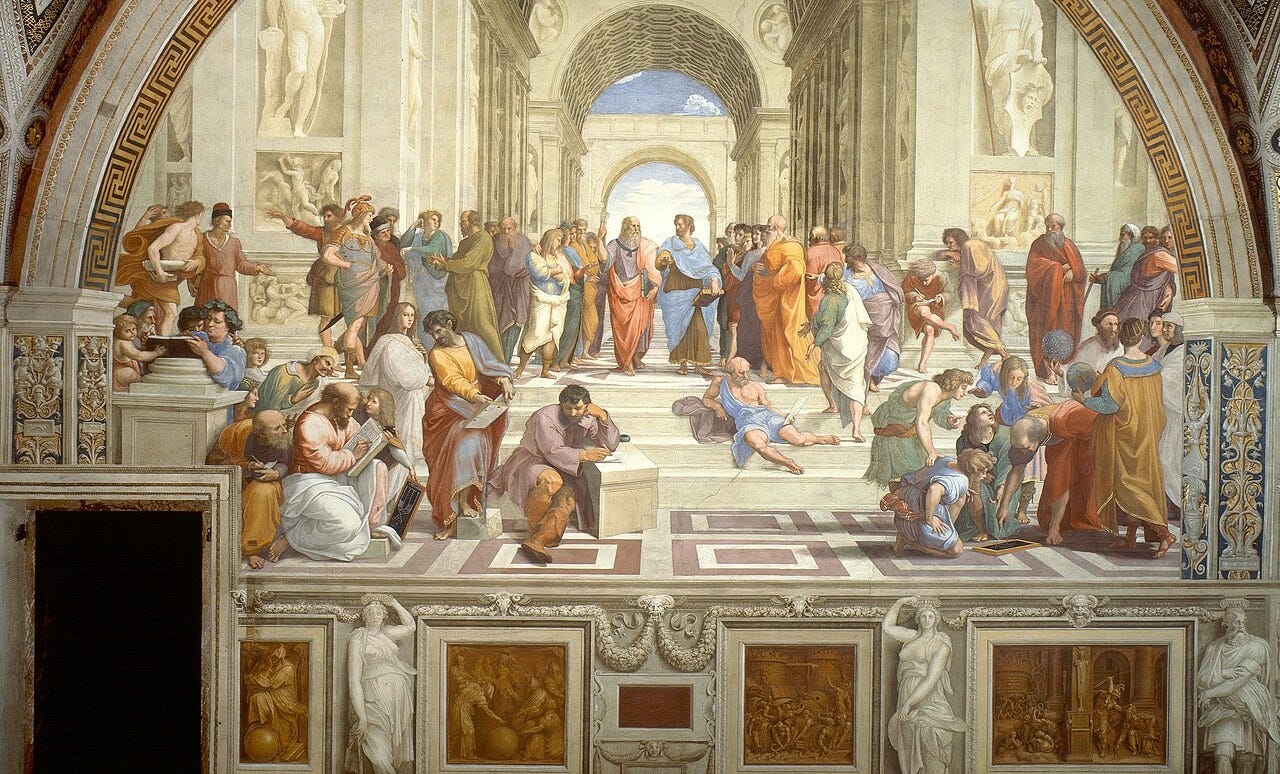
Over the years, while building Culture Explorer and writing about art, architecture, literature, and ancient cities, I began to notice a pattern. The people who understand civilization do not consume culture randomly. They organize their learning around what earlier generations called a canon.
A canon is simply a body of works that have shaped the thinking of a civilization. Books that generations returned to. Works of art that defined beauty. Historical events that formed political memory. These works create a framework through which everything else becomes intelligible.
Without that framework, culture turns into trivia.
The idea behind cultural literacy rests on this insight. A society cannot sustain meaningful conversation unless its members share a basic body of references. When someone mentions Athens, Dante, or the Renaissance, those words should evoke something more than vague familiarity. They should connect to stories, ideas, and images that people understand together.
But cultural literacy is often misunderstood. It is not a matter of memorizing facts or reciting lists of names. It is about learning how civilizations think.
Modern education sometimes treats knowledge like computer storage. Information goes in, information comes out, and tests measure how quickly it can be retrieved. Yet human knowledge is more complex than that. Understanding literature, art, or history requires interpretation and judgment. A scientist may discover an answer, but a reader of literature persuades others of an interpretation. Meaning emerges through reflection and discussion rather than calculation.
When education reduces knowledge to data retrieval, something essential is lost. Civilization is not a database. It is a conversation that unfolds across centuries.
In earlier generations people entered that conversation naturally. A classical education exposed them to foundational texts, works of art, and historical narratives. These references formed a mental map of the past. Today the map has been replaced by the feed. Knowledge arrives as isolated fragments rather than parts of a coherent whole.
That is why cultural literacy now requires a deliberate effort. If we want to understand civilization rather than drift through digital noise, we must build our own intellectual framework.
In practical terms, this means constructing a personal canon.
The first step is anchoring your reading in foundational works that shaped entire cultures. Every civilization has texts that formed its moral and intellectual imagination. Homer’s Iliad reveals how the ancient Greeks understood honor and fate. The Bible shaped the moral imagination of Europe and much of the Western world for nearly two thousand years, influencing law, art, literature, and political thought. Dante’s Divine Comedy reflects the theological imagination of medieval Europe. Shakespeare captures the psychological complexity of power and ambition. In the Islamic intellectual tradition, the Quran and thinkers such as Ibn Khaldun shaped entire discussions about law, society, and history. n South Asia, the Mahabharata, the Ramayana, the Bhagavad Gita, and the philosophical reflections of the Upanishads shaped Hindu thought about duty, justice, and the nature of reality. In the Far East, texts such as the Analects of Confucius, the Dao De Jing, and Sun Tzu’s Art of War shaped Chinese ideas about harmony, governance, strategy, and moral conduct. Reading these works does more than expand knowledge. It exposes the underlying assumptions, values, and philosophical questions that guided entire civilizations across centuries.
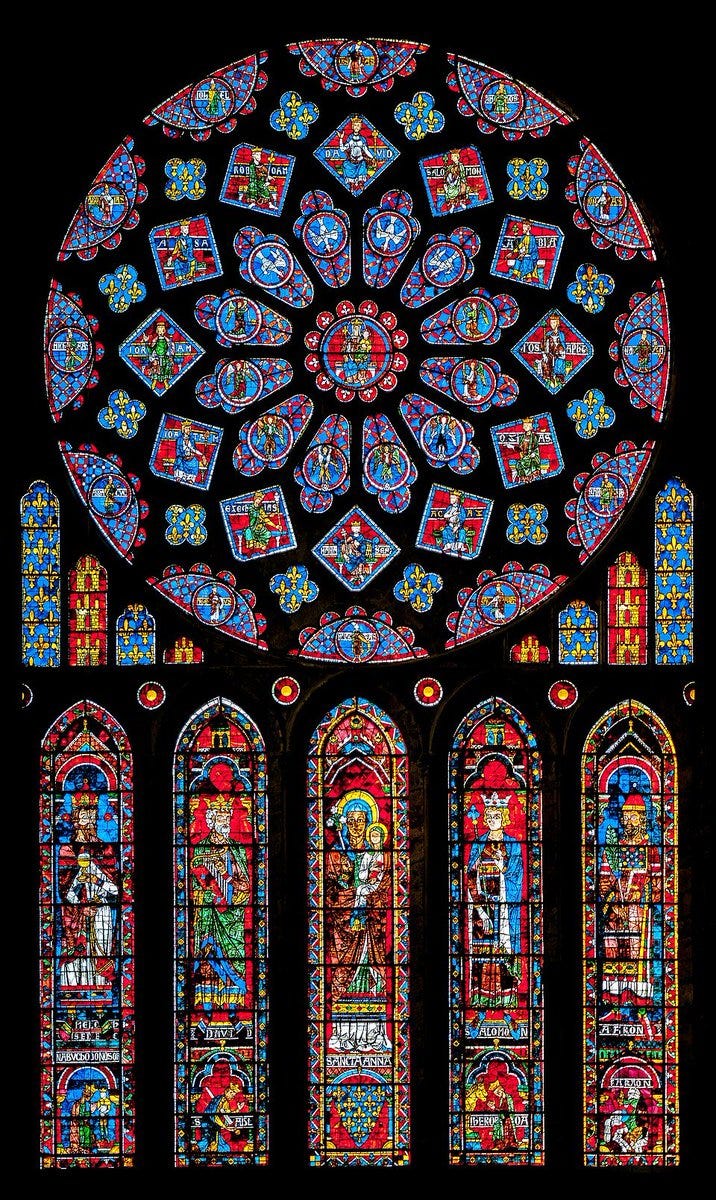
The second step is learning to read art and architecture as historical evidence. Paintings, temples, and monuments are not sightseeing objects. They are visual philosophies. A Gothic cathedral like Chartres expresses a worldview in which light symbolizes divine order. The Parthenon reflects the Greek search for harmony and proportion. When you study architecture carefully, you begin to see how societies translated their beliefs into stone, color, and space. Art becomes a doorway into the mindset of an era.
The third step is approaching history through narratives rather than timelines. Many people dislike history because they encounter it as a list of dates and events. In reality, history is a series of human dramas. The rise of Athens, the expansion of the Roman Empire, the intellectual ferment of the Renaissance, the struggle for American independence, and the philosophical revolutions of the Enlightenment all reveal how ideas about freedom, power, and governance evolved over time. When you follow these stories closely, patterns emerge. You begin to see how cultures rise, flourish, and sometimes decline. The past stops feeling distant and begins to act as a guide for understanding the present.
The fourth step is building connections across disciplines. Cultural literacy deepens when ideas reinforce each other across art, literature, religion, and history. A sculpture by Gian Lorenzo Bernini suddenly becomes more powerful when you know the biblical story of David that inspired it. John William Waterhouse’s paintings make far more sense once you understand the myths of ancient Greece that shaped their imagery. Dante’s Divine Comedy reads differently once you recognize the political struggles of medieval Florence behind its characters. The architecture of Hagia Sophia reveals the theological ambitions of the Byzantine Empire, while the paintings of the Renaissance become clearer when you see how artists rediscovered classical Greek and Roman ideals. Even the American founding documents read differently when placed beside Enlightenment thinkers like John Locke and Montesquieu. The more connections you build across disciplines, the more every new discovery strengthens a larger intellectual framework rather than remaining an isolated piece of information.
The fifth step is practicing slow reading in a fast world. Algorithms reward speed and novelty, but the works that shaped civilization demand patience. Reading Tolstoy, studying the architecture of Hagia Sophia, or reflecting on Plato requires time and attention. Slow reading trains the mind to wrestle with complexity rather than skim across surfaces. It replaces reaction with understanding.
Over time these habits reshape how you see the world. News headlines no longer feel like isolated events. They become chapters in a much longer story. Political debates echo arguments that philosophers have been having for centuries. Travel becomes richer because cities reveal layers of history beneath their streets.
Most importantly, your thinking becomes less dependent on the feed. Algorithms may determine what appears on a screen, but they cannot determine the intellectual structure you build for yourself. That structure is the true purpose of cultural literacy.
Civilizations are sustained not only by institutions or economies but by memory. The stories they tell, the works they preserve, and the ideas they pass forward. When those memories weaken, cultures drift. When they remain strong, societies retain a sense of continuity with the past.
In an age when information flows faster than ever before, that continuity must be protected deliberately. The solution is surprisingly simple.
Build a personal canon strong enough that the algorithm cannot replace it.

This article is a fascinating call to action. In this fast paced world in which we want inmediate everything (knowledge, information, pleasure, etc) we are bombarded with a huge variety of content that over stimulates our brains. Yes we get a ton of exposure to information but actually digesting it and getting a deeper knowledge of history and culture requires effort that not everyone is willing to make because is easier to simply "scroll to the next thing".
I loved the 5 steps you invited us to take and i'm sure they'll be helpful to anyone who wants to become more culturally literate in reality more than in appearance.
I can only agree with this article. When you read Marcus Aurelius Antonius you come out with way more understanding of his values, how he was seeing the world, what made a good citizen in his view than the cheap clips about stoicism that always repeat the same couple of bullet points to sound cultured. In this world were our brain is tricked into needing instant reward, we often miss the chance of a longer, but more meaningful experience.