

How to Read a Civilization Through Clothing
Reading Society Through Dress

Walk into a country you’ve never visited. Before anyone speaks, you already know things. Who holds status, who belongs to which group, who is modern, who is traditional, and who is pushing against the norms. That is all determined from clothing. We don’t treat dress seriously. However, it’s one of the most honest records a civilization leaves behind.
Anthropologists have pointed out something simple but powerful. Humans are symbolic creatures. We build meaning into objects, and clothing becomes one of the most visible systems of meaning we carry. You don’t need a book to read it. You just need to pay attention.
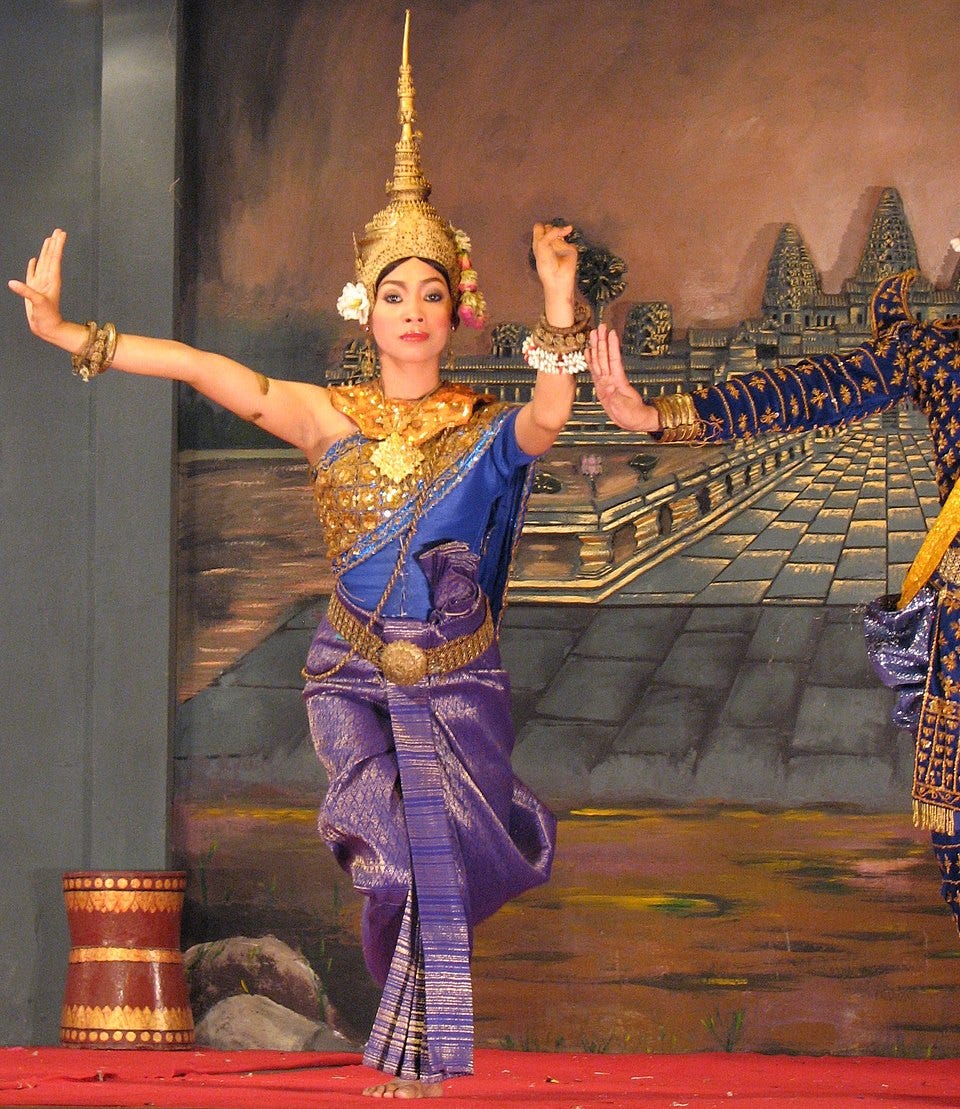
Take Cambodia’s sampot. At a glance, it’s just a wrapped cloth. But it goes back to early kingdoms shaped by foreign contact, including influence from Chinese envoys.
Over time, it splits into forms. One version signals a higher status. Another is worn during ceremonies. The way it’s dyed, the way it’s tied, even the fabric used, all tell you something about the person wearing it.
Then colonialism hits. French rule doesn’t ban the sampot. It weakens the system around it. Local silk weaving declines because imported textiles are cheaper. Western cuts start creeping in. The garment survives, but it no longer lives in the same world.
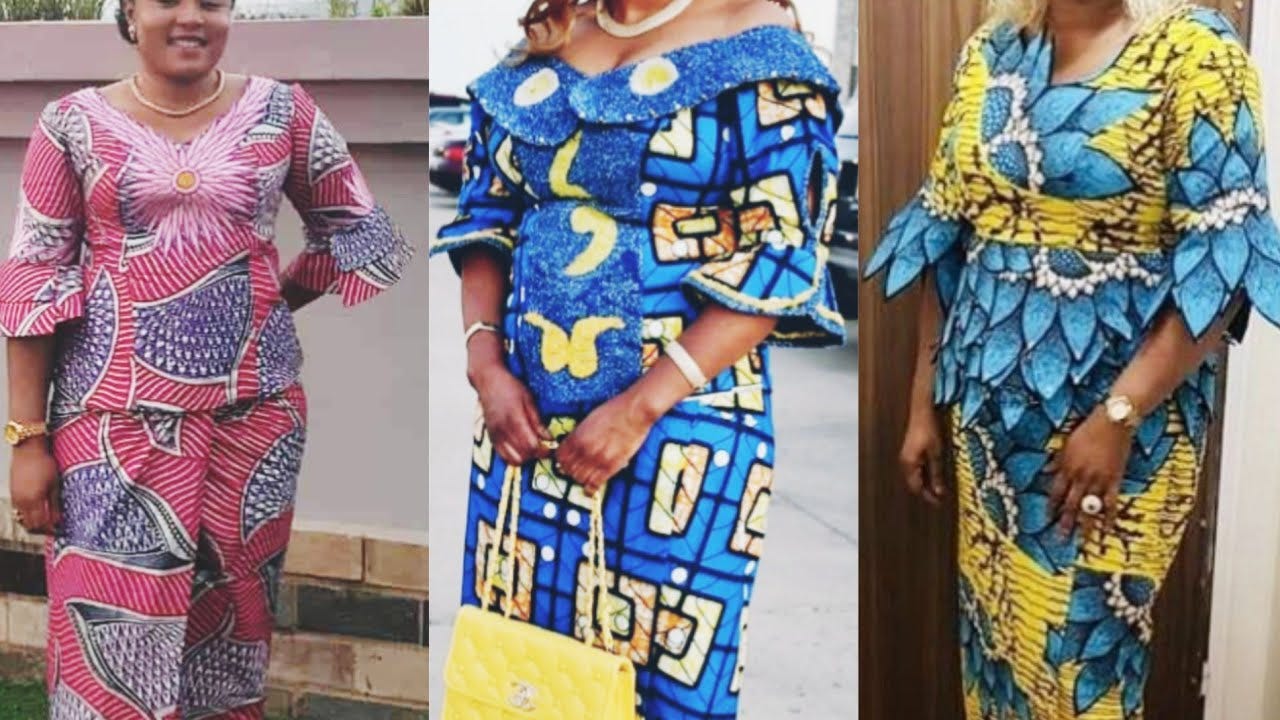
Now shift to the Republic of Congo. The Liputa is impossible to miss. Bright wax-print fabrics, layered skirts, matching headscarves. In cities like Brazzaville and Kinshasa, women wear it to weddings, funerals, and political gatherings. But the details matter.
Certain prints are chosen for specific events. Some fabrics are reserved for married women. Others are worn to signal mourning or celebration. Even the way the cloth is wrapped can distinguish everyday wear from ceremonial dress.
During the independence movements of the late 1950s and early 1960s, women wore Liputa at rallies and public gatherings as a statement. At a time when European rule tried to flatten local identity, the garment became a visible refusal to disappear.
But look closer at the fabric itself. Much of it isn’t local. Dutch companies mass-produced wax prints inspired by Indonesian batik and sold them across West and Central Africa. These imports were cheaper and more accessible than traditional raffia textiles, which had been produced locally for generations.
So, you end up with something strange. A deeply Congolese identity expressed through fabric manufactured in Europe. That tension never went away. The Liputa still signals pride and belonging. But it also carries the history of a disrupted economy stitched into it.
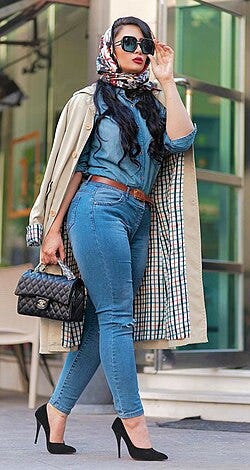
Now look at Iran more closely. Before 1979, what women wore depended heavily on where they lived and who they were. In northern Tehran, it was not unusual to see women in short skirts, tailored jackets, and uncovered hair, especially among the urban elite. At the same time, in more traditional neighborhoods and smaller towns, many women continued to wear the chador, a full-body garment with roots going back centuries. Both worlds existed side by side, without a single enforced standard.
That balance ends after the revolution. By 1983, the new Islamic Republic makes hijab mandatory in public spaces. This is not a suggestion or a cultural expectation. It is law, enforced by the state, with real penalties for those who do not comply. Covering the hair and wearing loose-fitting clothing becomes a legal requirement for all women, regardless of background or personal belief.
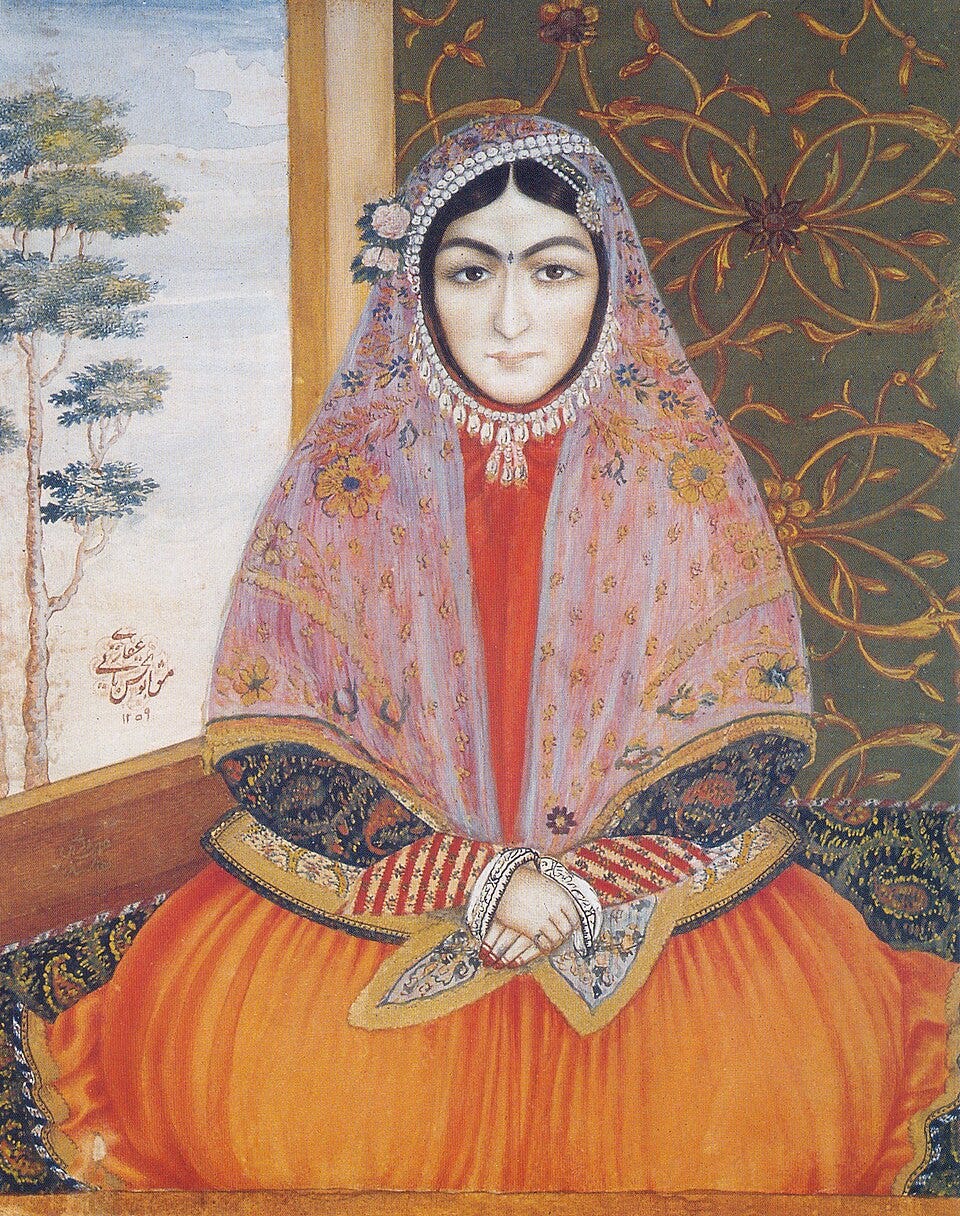
The garments themselves do not change overnight. The chador, the manteau, the headscarf all already existed. What changes is their meaning. A piece of clothing that once signaled personal piety, family tradition, or regional custom now also signals obedience to state authority. But people do not respond in a uniform way.
Walk through Tehran in the decades that follow, and you can see the tension clearly. One woman wears a full black chador, covering everything except her face. Another, stands beside her wearing a bright coat, fitted at the waist, with a loosely draped headscarf pushed back to reveal styled hair and makeup. Both are technically following the same law, but they are communicating very different things.
One signals alignment. The other signals distance. Over time, this becomes a daily negotiation. Small adjustments in color, fit, and how the scarf is worn become ways of expressing identity within a system that limits open choice. Clothing turns into a language people use to navigate belief, pressure, and personal boundaries.
The revolution did not simply change what people wore. It turned clothing into one of the most visible battlegrounds between the individual and the state
What you’ve read so far is the visible layer. But clothing doesn’t just reflect culture.
It reveals power, collapse, and the hidden systems that shape entire societies. The next examples go deeper.
