

Learning to Read with the Heart
Second Day from Origen of Alexandria (Twelve Days of Christmas Gift Series)

As we count down to Christmas, today brings Gift #2 in 12 Gifts of Christian Theology. Give this one a moment of attention, it’s meant to be read, not skimmed. Become a paid subscriber if you’d like to follow the full journey.
Most people today have never heard the name Origen. Yet in the 3rd century, long before the Church had creeds or councils, Origen became one of the first great Christian thinkers. He was a teacher, a writer, and a man shaped by loss. As a teenager in Alexandria, he watched his father taken away to be executed for refusing to deny Christ. That moment didn’t break him, rather it pushed him to ask the question many believers still ask today: What kind of truth is worth dying for? To find out, he devoted his life to Scripture with an intensity few could match.
What Origen discovered was that Scripture works like sunlight on water. You see one reflection on the surface, but beneath it are depths that only reveal themselves if you stay long enough to look. He knew the biblical stories were real events, but he also saw how they spoke to the human heart.
When Israelites led by Moses escaped Egypt, he said it wasn’t only about ancient slaves, it was about every person trying to escape their own burdens or addictions. When Jesus healed the blind, it was also a picture of God opening our eyes to what we refuse to see. These examples helped people realize that Scripture wasn’t just a record of what God once did but a guide to what God is doing in us right now.
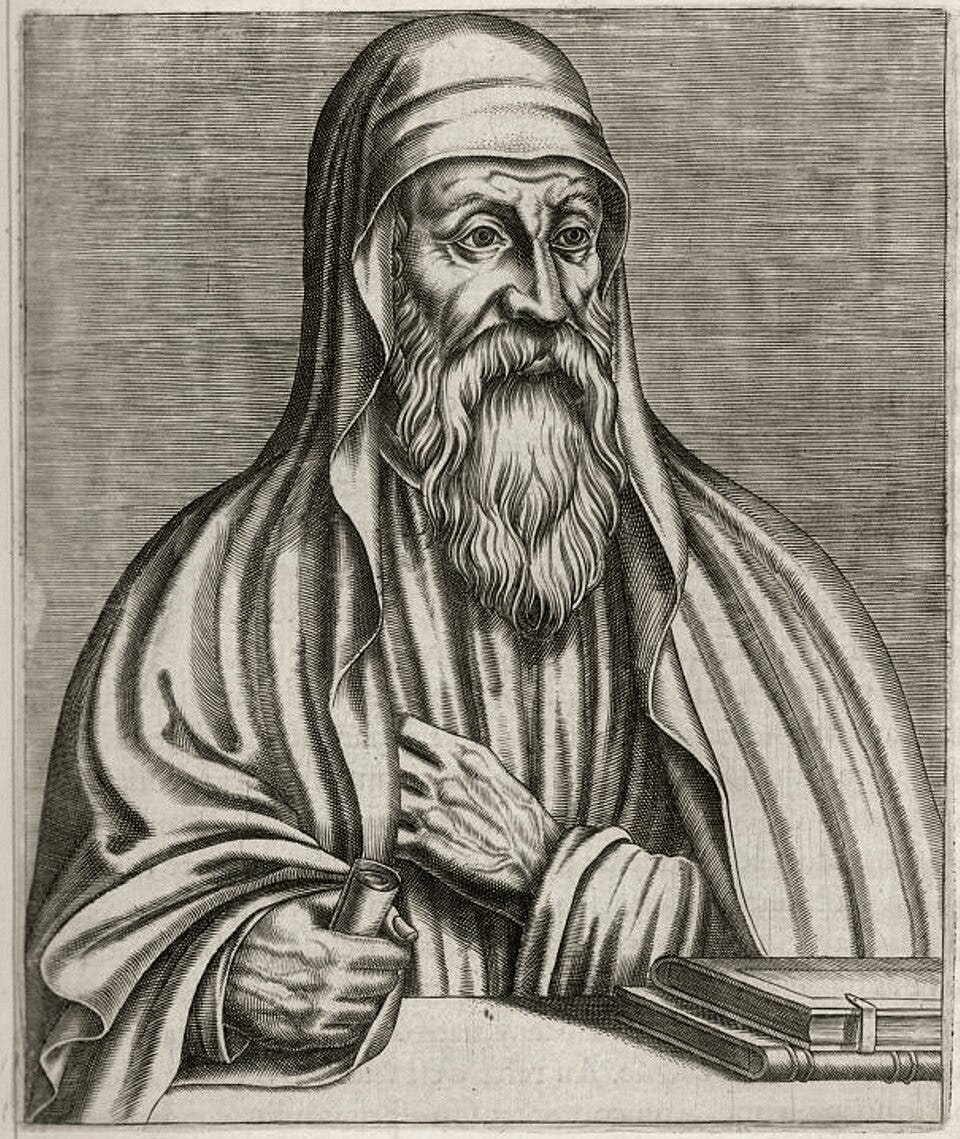
This became Origen’s unique gift: the idea that Scripture is meant to transform us, not merely inform us. He compared the Bible to a well. Anyone can drink from the top, but those who drop their bucket deeper draw out something richer. He used allegory to ask better questions. If the Israelites wander in the desert, where am I wandering? If God softens a hardened heart, where is mine refusing to soften? For Origen, the deeper meaning of Scripture was God speaking personally to anyone willing to listen with an open soul.
His insight matters even more today. We live in a world where most reading is quick, distracted, and shallow. Even believers often skim Scripture like they skim headlines. Origen challenges that habit. He invites us to read slowly, honestly, and with expectation. Not to “finish a chapter,” but to let the text shape us.
If life feels chaotic or confusing, his approach reminds us that Scripture isn’t a trophy on a shelf. It’s a living voice, capable of steadying our fears, reshaping our desires, and confronting the parts of us we’d rather ignore.
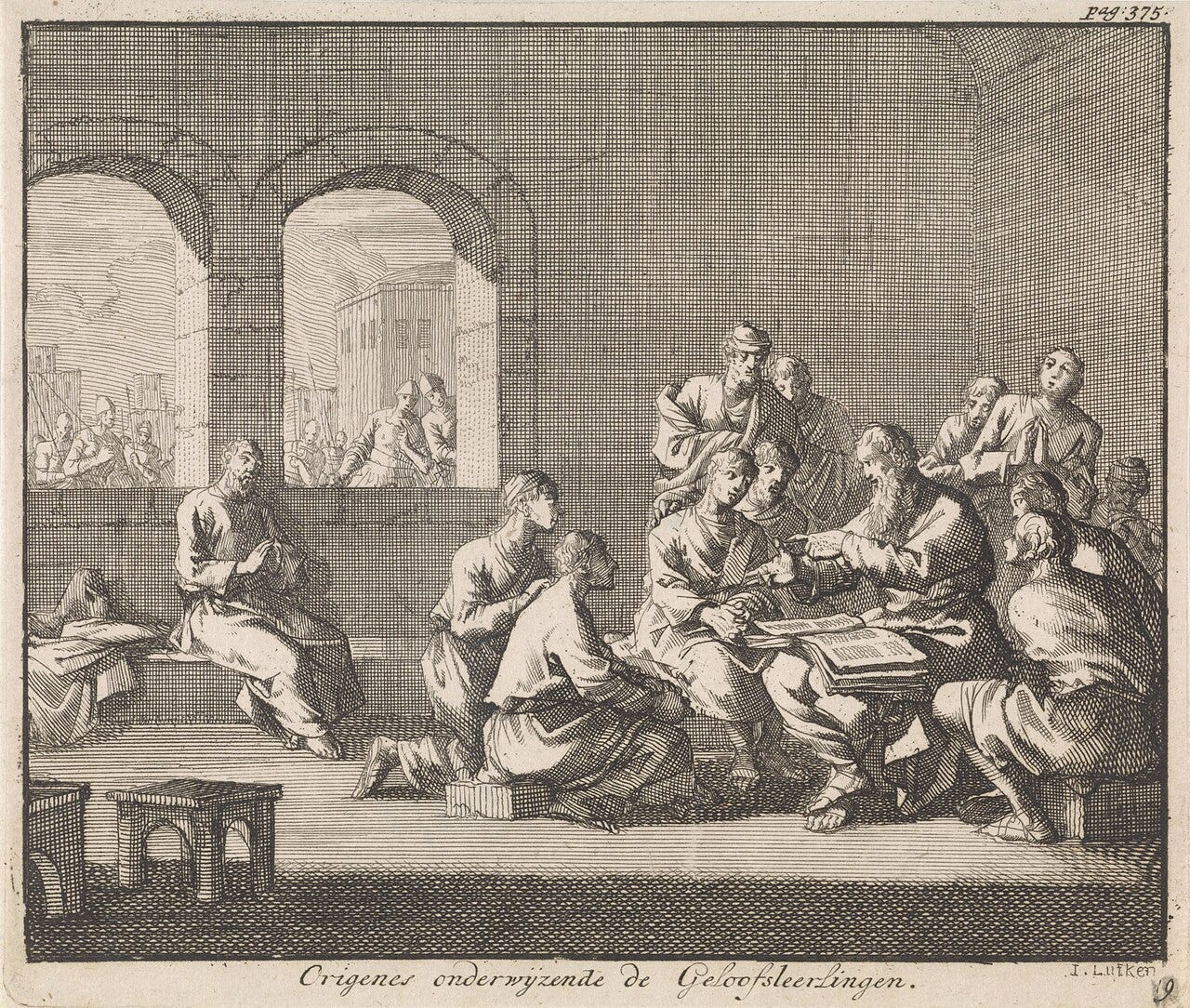
Researching Origen surprised me. I expected an academic obsessed with symbols. Instead, I found a man who believed Scripture could remake a person from the inside out. He was focused on spiritual growth. He believed we understand the Bible best when we allow it to reach our blind spots, our stubbornness, our hunger for meaning.
That challenged me. I realized how often I approach Scripture with my mind while keeping my heart safe. Origen flips that posture. He invites us to read with humility, letting the text do its work on us.
Here’s the takeaway: don’t just read the Bible, let it read you. Let it stir you. Let it confront you. Let it make you more whole. This is Gift #2.
Tomorrow, we open Gift Three and turn to Athanasius of Alexandria, a thinker who fought to defend the heart of the Christian faith and shaped how the Church understands who Christ truly is. If you’re walking this journey with me, stay close for the next reflection.

Hmm, this is making me think that I should look through the Book of Psalms from another angle now.