
Six Books for the Fourth of July Weekend
Six writers recommend the books that make freedom, civilization, and home feel larger

The Fourth of July weekend should give us more than a day off. It should give us time to remember what built America, what keeps civilization alive, and what kind of books make a free person think more clearly.
A three-day weekend has its own rhythm. There is the public holiday, with flags, fireworks, food, and national memory. There is the travel day, when people drive out of town, see family, take the backroads, or remember how large a country can feel. Then there is the quieter hour, when the noise settles and a good book can do what a good holiday should do: return us to the serious things.
This reading list was built for that kind of weekend. These six books from six of your favorite authors on Substack make the weekend feel bigger than rest. They make it feel like a return to memory, courage, faith, wonder, and home.

1. Washington: A Life by Ron Chernow (recommended by Culture Explorer)
Let me kick off the Fourth of July weekends with Ron Chernow’s Washington: A Life, because the Fourth of July begins with the question of power. George Washington is too often respected without being understood. He has become a marble figure in the American imagination: honorable, distant, silent, and dull. Chernow restores the living man behind the monument. Washington appears as a tall, athletic, emotionally guarded Virginian who loved horses, hunting, dancing, land, order, reputation, and command. He had pride, ambition, strong moods, and a discipline powerful enough to hold those forces in check.
The biography follows him from a difficult boyhood to the French and Indian War, Mount Vernon, the Continental Army, the Constitutional Convention, and the first presidency. Chernow also brings out the private tensions that shaped him: his strained relationship with his mother, his youthful attachment to Sally Fairfax, his marriage to Martha, his complicated family life, and his morally troubling role as a slave master. Washington becomes larger on the page because he becomes more human. His greatness came through a rare ability to govern himself while leading others.
That makes this book especially fitting for Independence Day. Washington understood that a republic needed more than victory. It needed restraint, dignity, trust, judgment, and institutions strong enough to survive the men who created them. Many victorious commanders turn success into vanity. Washington surrendered command, accepted limits, and allowed the office to become greater than the man. His life teaches that civilization needs self-command at the top, because without restraint, victory curdles into appetite.

2. Blue Highways by William Least Heat-Moon (recommended by The Timeless Traveler)
Blue Highways by William Least Heat-Moon may be the perfect book for the holiday travel side of the long weekend. The book begins with Heat-Moon at a breaking point. He had lost his job, his marriage had ended, and instead of sitting still in the wreckage, he got into his van and started driving.
The genius of the book comes from the roads he chose. Heat-Moon avoided the interstates and followed the old blue highways on printed maps, moving through small towns, diners, farms, deserts, river crossings, and forgotten places most travelers pass without memory. He talks with waitresses, farmers, mechanics, preachers, shopkeepers, and strangers. Through them, the reader meets an America that feels calm, strange, wounded, generous, funny, and deeply human.
“If you need a reason to love America, just drive through it.”
Culture Explorer
For a holiday weekend, Blue Highways is a reminder that travel begins with attention. It asks you to leave the main road, stop rushing, and notice the country that sits between the famous destinations. This is the America people miss when they only move from airport to hotel to attraction. Heat-Moon reminds us that a nation is also made of diners, gas stations, porches, backroads, and conversations with people whose names never enter history books.


3. The Seven Ecumenical Councils: Their History and Theology by Leo Davis (recommended by Today in History)
The First Seven Ecumenical Councils: Their History and Theology by Leo Davis, a strong choice for the quieter hours of the weekend. If Independence Day points us toward America’s founding, this book points us toward an older founding: the theological formation of Christian civilization.
The opening chapter sets the stage by explaining Rome, doctrine, and the condition of the early Church. The following chapters move through the first seven councils, where bishops, theologians, emperors, and rival factions fought over questions that still define Christian belief. What could be said about Christ? How should the Church speak of His divinity and humanity? What counted as orthodoxy? Where did error begin?
The councils were moments when words carried civilizational weight. They shaped creeds, worship, authority, liturgy, icons, hymns, and the religious imagination of millions. Davis makes that history readable without shrinking its importance. This is a book for anyone who wants to understand how Christian doctrine gave roots to the Western civilization as we know it today. A long weekend needs space for this kind of reading, because freedom needs truth if it is going to keep its shape.


4. Duelling Stories of the Sixteenth Century by Brantôme (recommended by Michael)
Memory Medieval recommends Duelling Stories of the Sixteenth Century by Brantôme, a book that brings a hard edge to the weekend. Brantôme opens a window into a culture where honor, danger, rivalry, and reputation carried real force. The book is lively, dramatic, and full of men whose sense of life feels almost foreign to the modern reader.
Its value comes from the energy it reveals. Modern life trains people to manage conflict, lower stakes, soften edges, and avoid direct confrontation. Brantôme shows a world formed by conflict acceptance. That world had violence, pride, recklessness, vanity, and death. It also had courage, vitality, and a fierce belief that a man’s life should be tested.
This book belongs on a Fourth of July weekend because every free society needs citizens with nerve. Brantôme gives a living picture of men who believed honor demanded action. That alone makes the book refreshing. It forces the reader to ask what happens when people lose the will to face rivals, defend their names, and accept the cost of courage.
We come from a long line of champions. Brantôme reminds us that earlier ages often produced men with a harder edge, stronger appetite for danger, and deeper belief that life should be tested. The book is invigorating because it carries the reader into a world where honor still had blood in it.

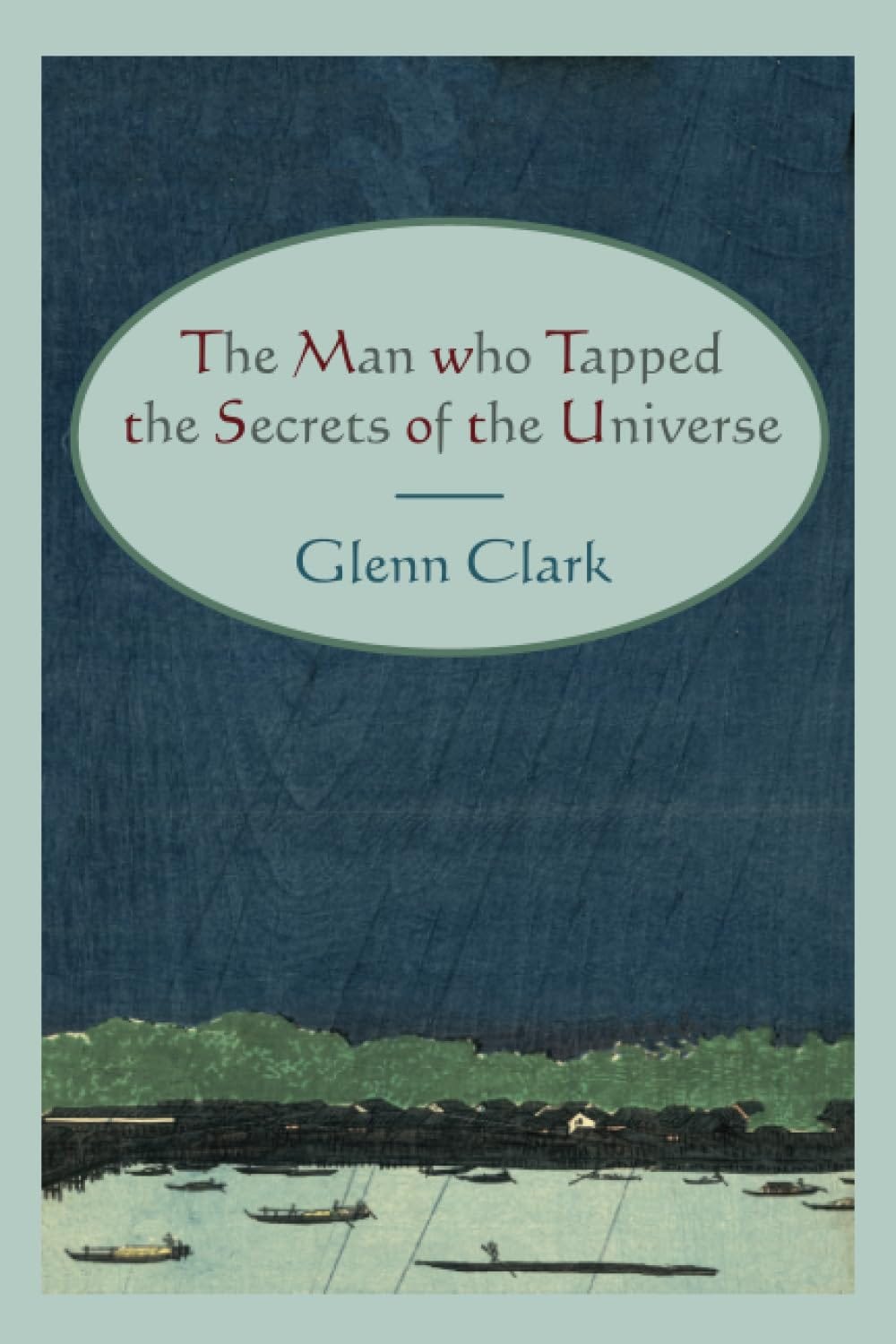
5. The Man Who Tapped the Secrets of the Universe by Glenn Clark (recommended by Beyond the Cosmic Veil)
The Man Who Tapped the Secrets of the Universe by Glenn Clark is a short biography of Walter Russell, one of the strangest and most fascinating figures of the twentieth century. Russell is the kind of man who sounds invented until the details begin to pile up. He was a painter, sculptor, architect, musician, writer, thinker, and inventor, a man whose admirers called him the “Leonardo da Vinci of his time.”
Russell worked across the classical arts, created portraits and sculptures of major public figures, and developed ideas about science, light, matter, and cosmic order. Clark presents his limited formal education as part of the mystery. Here was a man with only a few years of schooling who seemed to move across disciplines with unusual confidence.
The most fascinating part of the biography is the spiritual experience at the center of Russell’s life. He described a period of illumination lasting 39 days and nights, an encounter with cosmic consciousness that transformed his understanding of the Cause behind all effects. The reader can approach the book with belief, caution, or curiosity, but Russell’s life remains worth studying. A holiday weekend should leave some room for wonder, and this book gives the reader a strange and serious kind of wonder.

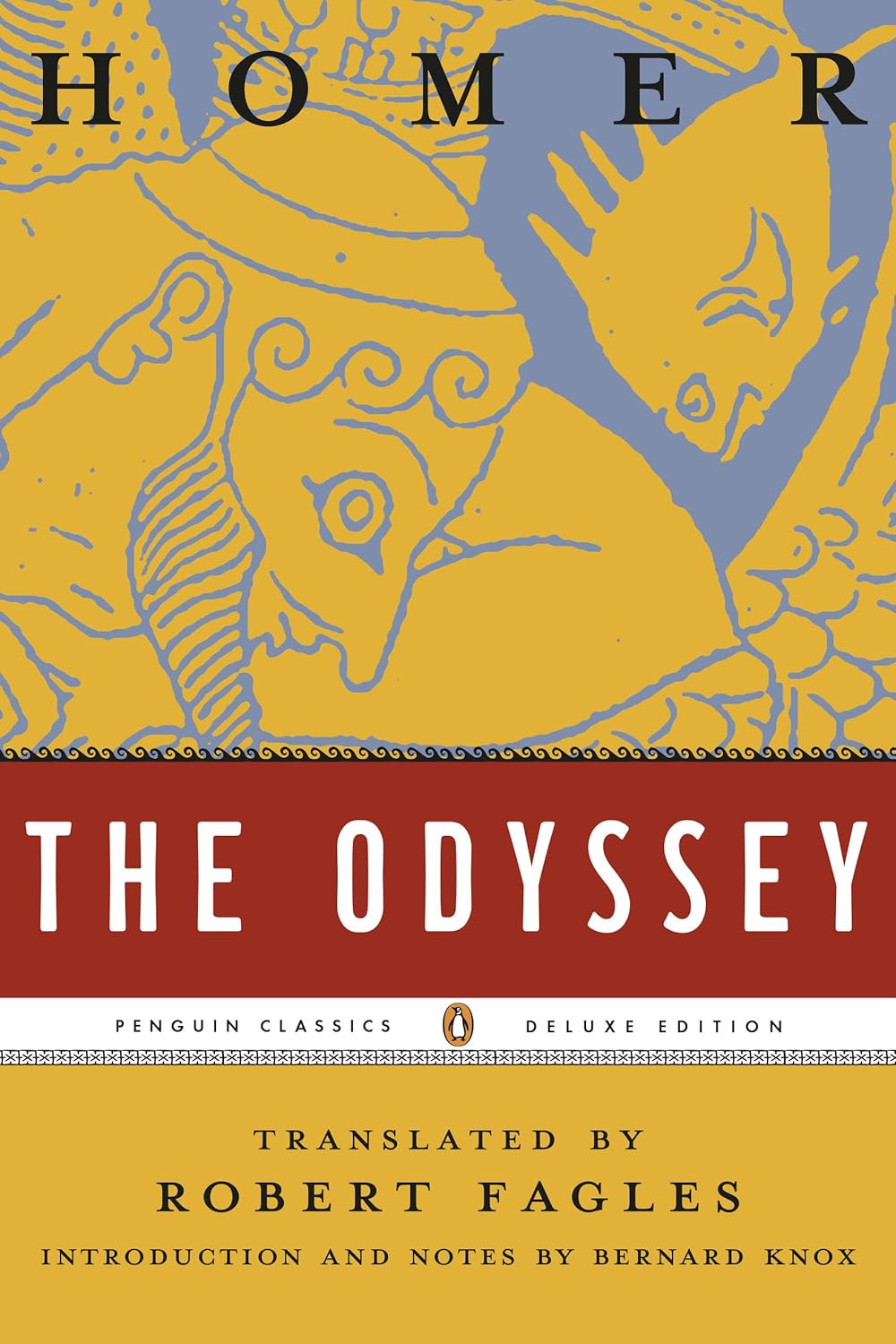
6. The Odyssey by Homer (recommended by TheBlackWolf)
The Black Wolf recommends The Odyssey by Homer, which may be the finest book for the final stretch of the weekend. Many readers love The Iliad for its rage, battlefield glory, and heroic scale. The Odyssey asks what happens after the war, when the hero survives and the real test becomes the long road home.
Odysseus stands as one of the great souls of Greece. Achilles embodies rage, speed, beauty, and the short, brilliant life. Odysseus embodies metis, the Greek ideal of cunning intelligence, endurance, timing, and mental force. He survives because he can think under pressure. He lies when lying is necessary, waits when patience is required, strikes when the moment arrives, and keeps moving toward Ithaca even when gods, monsters, seas, women, and death stand between him and home.
That longing for home, Nostos, gives the poem its emotional force. Odysseus wants Ithaca, his wife, his son, his house, his name, and his place in the world restored. When he finally returns, Homer gives the reader a severe ending. His estate has been plundered, his wife pressured, his son brushed aside, and his house filled with lesser men. Odysseus answers with disguise, intelligence, planning, and terrible violence.
The Odyssey belongs at the end of a long weekend because every journey has to come back to the question of home. Travel matters because return matters. Freedom matters because there must be something worth defending. Intelligence, endurance, and loyalty to home can outlast rage, beauty, and brute strength. Nostos is the ache that tells a man where he belongs.

Together, these six books form a Fourth of July arc: Washington teaches the moral discipline required for freedom, Blue Highways teaches how to travel through a country with attention, The First Seven Ecumenical Councils teaches the search for truth that gives civilization its spine, Brantôme teaches the defense of honor in a world that tests courage, Walter Russell teaches the power of vision, and The Odyssey teaches the final lesson of every journey: the longing to return home.
A long weekend gives us time to celebrate, travel, think, argue, rest, and come home. The right books make that time count. Read one before the weekend ends, and let it remind you that civilization is built by people who know what they love, what they owe, and what they must never surrender.
If you enjoyed this Fourth of July reading list, subscribe to the recommenders in this article for more books, art, history, travel, and ideas that help us see civilization with sharper eyes.
I finished Revolution: The Birth of the Greatest Nation in the World by Eric Metaxas recently, and I'd recommend it for July 4th reading. I will be reading a new biography on Alexander the Great this weekend before I start my reread of The Iliad and The Odyssey.
I have to save this little treasure for later. Thanks for the list