

The Architecture of the Afterlife
Article 8 of the Arc of Belief and Meaning Series

In the last article, The Birth of the Inner Self, we traced a quiet revolution. Human beings stopped locating meaning solely in ritual, tribe, and cosmic order, and began to experience truth inwardly. Conscience emerged, guilt became personal, and identity detached from role. Once that happened, death could no longer remain a biological event.
Once people stopped seeing themselves as just part of a tribe or role and started seeing themselves as individual minds with choices and responsibility, they could no longer avoid asking what happens to them after death. The afterlife was the logical consequence of inwardness. If the self-matters, then its fate must matter too.
That is why every civilization that developed a strong sense of moral interiority also developed a structured vision of what follows death. Heaven, hell, judgment, rebirth. These were moral architectures designed to preserve meaning beyond the grave.
Long before Christianity, Islam, or Hindu philosophy reached their classical forms, ancient Egypt had already turned death into a moral courtroom. The Egyptian Book of the Dead was a practical manual buried with the dead, filled with spells and declarations meant to help the soul survive judgment.
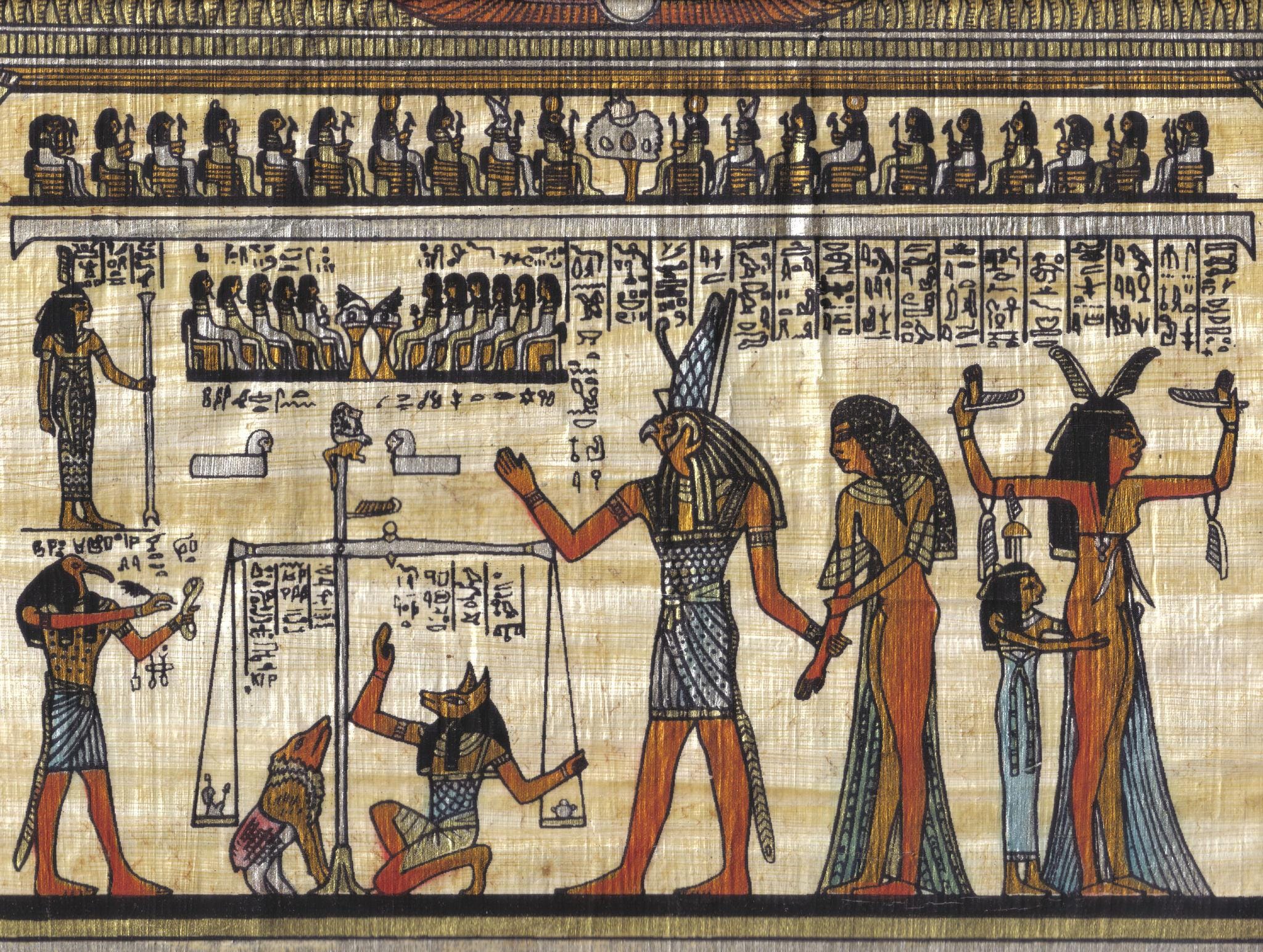
After death, the soul stood before Osiris. The heart, believed to contain memory, intention, and moral truth, was weighed against the feather of Ma’at, the principle of cosmic order. If the heart was heavy with wrongdoing, it was devoured by Ammit. The soul did not suffer eternally. It ceased to exist.
This distinction matters. Egypt did not threaten torture. It threatened erasure and moral failure meant non-existence.
Those who passed entered the Field of Reeds, a perfected version of earthly life where order prevailed and chaos was banished. The afterlife was continuity under justice.
Egypt shows us something crucial. Judgment after death emerged to regulate behavior. Pharaohs ruled as guarantors of Ma’at. Laws mirrored cosmic balance. Tomb inscriptions list ethical claims: I did not steal. I did not lie. I did not cause suffering. These were defenses before eternity.
Christianity inherited this instinct but reshaped it around the newly formed inner self. One life, one death, and one judgment. Heaven and Hell became destinations.
