

The Discipline of Everyday Health
Article 3 of The Ramadan Blueprint Series - Ibn Sina

One night in the royal court of Bukhara, a young physician was asked to examine a prince who refused food and was slowly wasting away. Court doctors argued over possible diseases. Ibn Sina asked for silence, held the patient’s wrist, and began naming neighborhoods and families aloud. When one particular name was spoken, the pulse quickened instantly. The diagnosis was not fever or weakness. The prince was in love. Ibn Sina prescribed conversation, reassurance, and eventually marriage.
The story survives because it reveals how he understood medicine. For Ibn Sina, the body never existed apart from emotion, environment, or habit. Illness was rarely just physical failure. It was often life out of balance.
I first encountered Ibn Sina expecting medieval theory. Instead, I found something closer to careful observation written with unusual restraint. In The Canon of Medicine, he defines medicine simply as the science that understands health and disease so that health may be preserved and restored when lost. The order matters. Preservation comes first. Treatment comes later.
To explain preservation, Ibn Sina outlined what he called the six essential factors of life. Every person lives inside them whether aware or not: air, movement and rest, sleep and wakefulness, emotional states, food and drink, and the body’s natural processes of retention and elimination. According to him, most illness begins when one of these loses moderation rather than from sudden external causes.
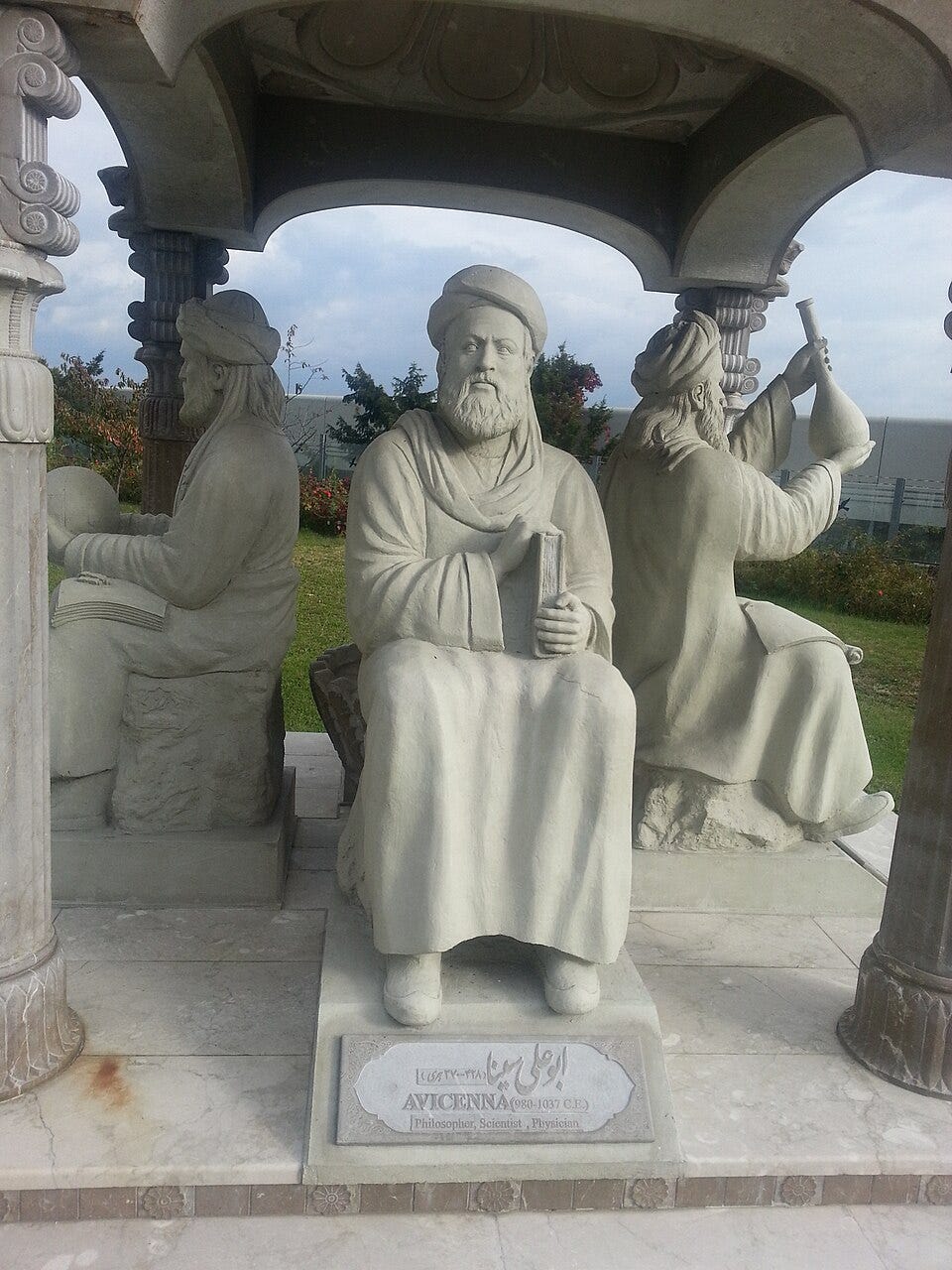
His discussion of air reads surprisingly modern. Clean, moving air strengthens the body because breathing modifies internal balance while exhalation removes impurities. Stagnant or polluted air weakens health and corrupts bodily equilibrium. He even described seasonal temperaments: spring balanced, summer hot and dry, winter cold and wet. Physicians were expected to adjust advice according to climate, recognizing that the same body behaves differently in different environments.
Movement occupied another major section of the Canon. Ibn Sina compared workers with different professions, noting that physical labor changes the body differently from sedentary study. Movement generates heat and vitality; rest cools and moistens. Both are necessary. Too much exercise exhausts the body. Too little produces stagnation. Health depended not on activity alone but on proportion suited to the individual.
