

The End of Days
Article 11 of the Arc of Belief and Meaning Series

If you lived under the Roman Empire, you would have assumed it was permanent, because everything about it was designed to feel eternal. The armies, the roads, the temples, the laws, and the emperor’s insistence that he was more than a man. Rome didn’t just rule the world; it tried to convince people that it was the world.
And yet, inside that empire, a man named John sat in exile on the island of Patmos and wrote Revelation, not as a fantasy story, but as a message for ordinary people watching their society harden into cruelty and asking a simple question that every civilization eventually asks: if evil can win for long enough, does anything really matter?
That question didn’t belong to Christians alone. The Norse answered it with Ragnarök, a final battle where the gods fight even though they know they will die, and Indian tradition answered it through the Yugas, where the world slowly loses its moral strength until it collapses and begins again.
This article is about why civilizations imagine endings that feel like judgment, like cleansing, like a final accounting. They cannot live with the idea that history is a cruel accident and that evil might be the final ruler of the world.
Modern people talk about the end of the world as if it’s a new obsession. We speak about climate collapse, nuclear war, pandemics, AI takeover, and cultural decay as if we are the first generation to feel the ground shaking. But apocalyptic thinking is ancient. Long before modern science gave people graphs and predictions, civilizations were already imagining the same terrifying conclusion: the world does not simply fade away. It breaks, burns, and is judged. And then, somehow, it begins again.
That shared instinct is one of the most revealing things about humanity. Because when people imagine the end, they rarely imagine it as meaningless. They don’t picture the world ending with a shrug. They picture it ending with purpose and consequence. When civilizations talk about apocalypse, they are not really talking about the future. They are talking about what they fear is happening to their world right now.
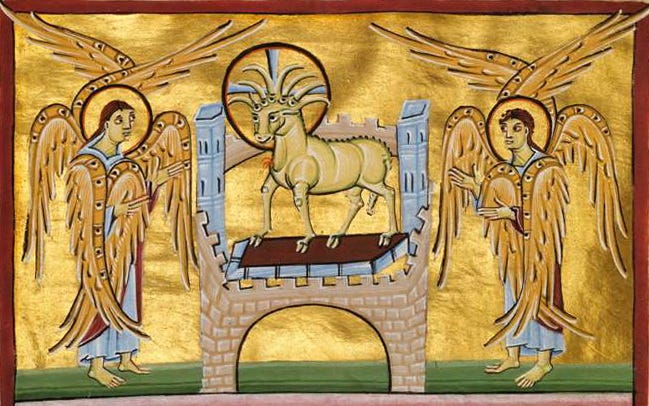
Revelation is the clearest example of this, and it’s also one of the most misunderstood books ever written. People treat it like a code, like a puzzle meant for timeline predictions. But Revelation wasn’t written for people with too much free time. It was written for people who were scared, hunted, and exhausted, living under an empire that felt untouchable.
And it doesn’t start with beasts and fire. It starts with a world that feels rigged.
Rome looks permanent. The emperor is treated like a god. Power sits in marble palaces and decides what is true. If you’re a Christian, you don’t just feel outnumbered, you feel like the entire moral order of the world has been flipped upside down.
That is why Revelation begins the way it does: not with the end of the world, but with the opening of a scroll.
The scroll is sealed shut seven times, and each seal is broken like a lock being snapped open. With every seal, the world becomes more unstable, more violent, more exposed.
The first four seals release the famous horsemen. One brings conquest. Another brings war. Another brings famine. And the last brings death. It’s not subtle symbolism. It’s a sequence of forces that civilizations always fear when they feel their world slipping: violence, hunger, collapse, and the quiet arrival of mass death.
Then the fifth seal shifts the mood. It shows the dead crying out for justice, asking why the wicked still rule while the innocent are buried. That is the emotional core of Revelation. It isn’t end-times curiosity. It is the demand for an answer.
The sixth seal feels like creation itself is panicking. The sun darkens. The moon turns red. The sky is described as rolling back like a scroll. People don’t react like brave heroes. They run, hide, and beg the mountains to cover them, because they suddenly sense they are not dealing with politics anymore. They are dealing with judgment.
And when the seventh seal finally breaks, it begins with silence. A pause, as if the universe is holding its breath.
Then the trumpets begin.
This is where Revelation turns into a terrifying rhythm: warning after warning, disaster after disaster, as if the world is being struck again and again, not to entertain, but to wake it up. Fire falls. Seas are ruined. Waters are poisoned. Light is dimmed. And eventually the horrors stop being natural and start becoming spiritual, as if something has been unleashed from below.
Later come the bowls, even worse than the trumpets. Sores appear on those who follow the beast. Seas and rivers turn to blood. The sun scorches humanity. Darkness falls over the kingdom of evil. The Euphrates dries up, and the nations are drawn toward a final confrontation that feels inevitable.
Then the earth itself breaks. A massive earthquake tears through the world. Cities split, mountains collapse, and islands vanish.
But Revelation is not written as a random disaster story. It is written like a moral reckoning. The message is clear: the world can pretend forever, but it cannot escape forever. Empires rise, kings boast, the wicked celebrate, and the innocent suffer, but history is not an open-ended crime scene.
In Revelation, the end of days is a verdict.
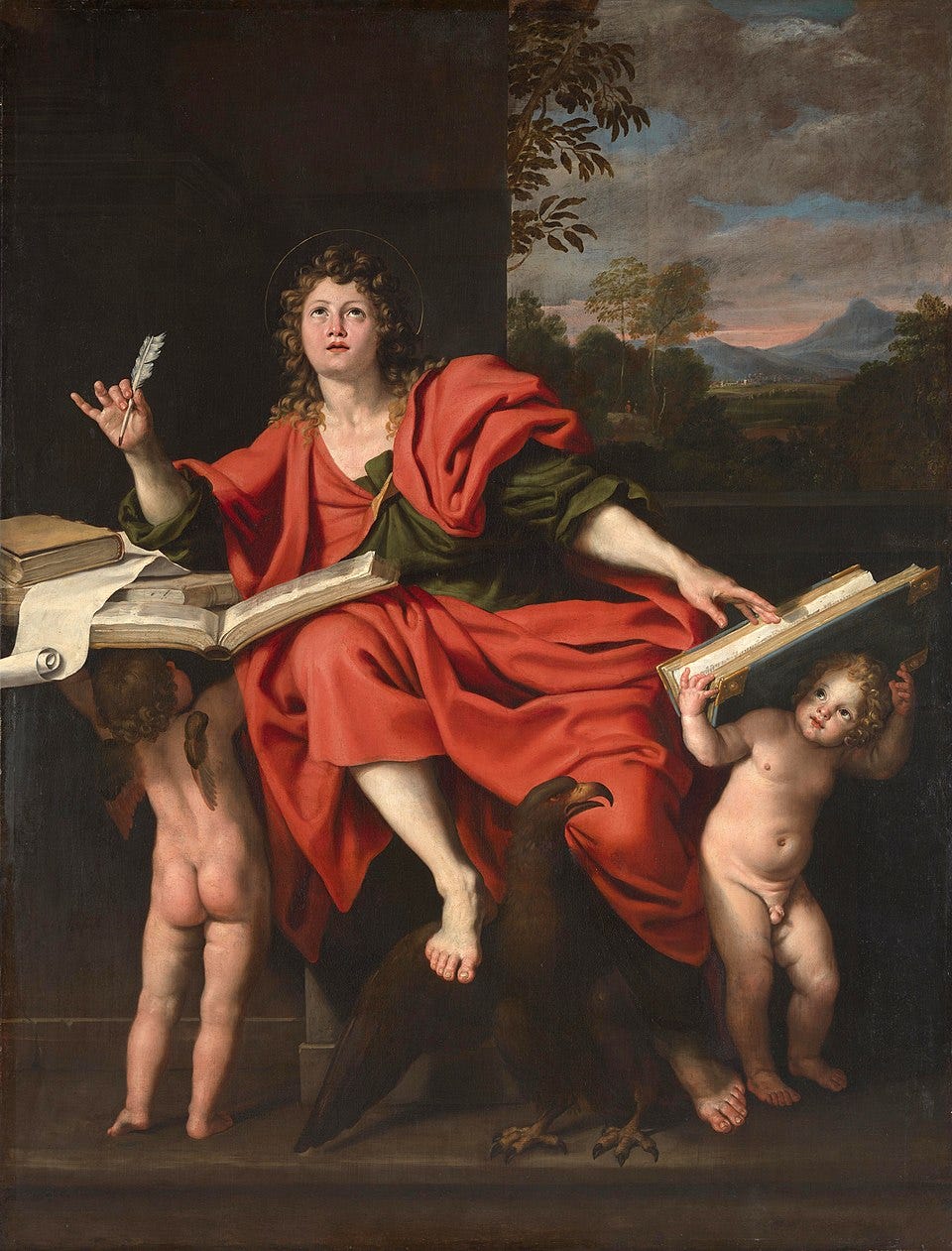
But Revelation is only one kind of apocalypse.
For Christians, the end of the world is a courtroom. History closes with judgment, and evil is dragged into the light.
But the Norse imagined something colder and more terrifying: a final battle where even the gods fall, not because they were guilty, but because fate demands blood.
And Hindu tradition imagined something darker still: a slow decay of the soul across ages, where the world doesn’t collapse in a single night, but quietly loses its moral strength until renewal becomes unavoidable.
If you want to understand why civilizations across the world kept dreaming of the same ending, keep reading.
The rest of this article will take you into Ragnarök and the Yugas, and what they reveal about what humans fear most.
