

The Gift of Moral Clarity
Article 5 of The Ramadan Blueprint - Ibn Taymiyyah

The fifth gift in this Ramadan series comes from Ibn Taymiyyah, a scholar who lived in an age of invasion and turmoil and argued that truth must be defended even when the cost is prison.
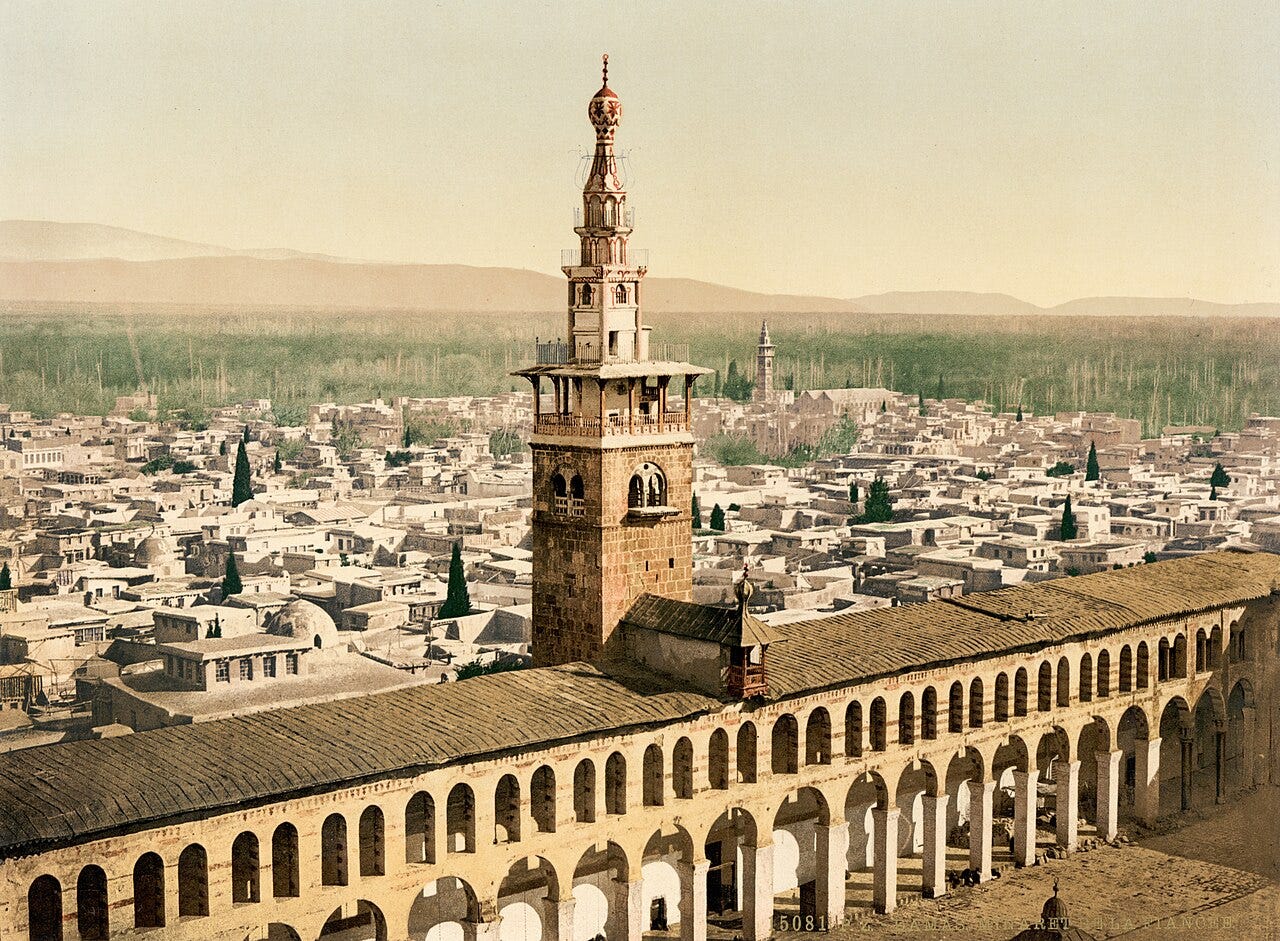
The year is 1293. Damascus trembles with rumors of another Mongol advance. In the middle of this chaos stands a young scholar with a blunt voice and an unusual habit: he challenges rulers, scholars, and mystics alike. When critics threaten him with prison, he answers calmly, “Paradise is in my heart. Wherever I go, it goes with me.” The man speaking is Ibn Taymiyyah, and he will spend years of his life imprisoned for refusing to soften what he believes is the truth.
Ibn Taymiyyah lived during one of the most fragile periods in Islamic history. The Mongols had destroyed Baghdad only a few decades earlier. Crusader armies still lingered in the region. Within Muslim society, theological disputes, political rivalries, and religious innovations divided communities. In this environment he asked a hard question: Why do civilizations weaken?
Seven centuries later, Ibn Taymiyyah remains one of the most debated figures in Islamic thought. Admirers see a scholar who defended intellectual clarity and moral responsibility during a time of crisis. Critics see a thinker whose writings were later invoked in political and ideological conflicts. Yet reducing him to either caricature misses the deeper question he was trying to answer: why do civilizations lose their moral direction?
His answer was blunt. When people drift away from the foundations of revelation and moral responsibility, confusion replaces clarity. Ibn Taymiyyah believed the cure was not nostalgia for the past but a return to scripture and the prophetic tradition as living sources of guidance, interpreted with reason and intellectual effort rather than blind imitation.
The gift Ibn Taymiyyah offers is simple to say but difficult to live moral clarity rooted in responsibility. He believed knowledge alone was not enough. A society survives only when its scholars, rulers, merchants, and ordinary people feel accountable before God and before each other.
