

The Lost Skill of Listening Before Speaking
Ninth Day from Thomas Aquinas (Twelve Days of Christmas Gift Series)

Today is Day 9 of the 12 Gifts of Christian Theology series and it comes from Thomas Aquinas.
Thomas Aquinas was known for something unusual in his time: he listened before he spoke. In crowded classrooms and heated debates, he would first restate his opponent’s argument so clearly that they often nodded in agreement. Only then would he respond. That habit, patient, careful, and almost stubbornly fair, became the foundation of his life’s work and the gift he leaves us.
In his early twenties, Thomas Aquinas was literally kidnapped by his own family. They locked him in a tower for nearly a year to stop him from becoming a Dominican friar. They believed his calling was beneath his noble blood. Aquinas did not argue or panic. He waited, studied, prayed, and thought. That calm stubbornness tells you almost everything about him.
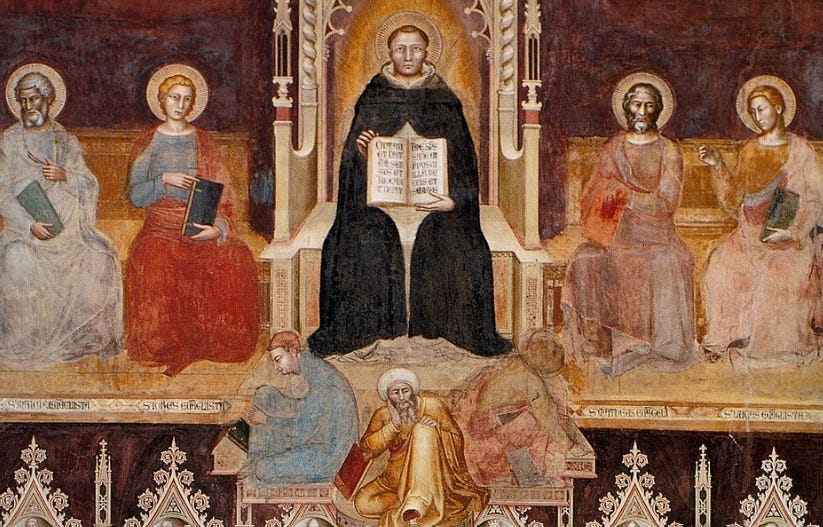
Aquinas grew up surrounded by false confidence. Some people treated faith as something fragile that could not survive questions. Others treated reason as a weapon to dominate and humiliate. Aquinas saw both approaches fail real people. His central insight was grounded and practical: human beings need truth they can understand, not slogans they must repeat. He believed God did not give us minds as a test of loyalty, but as tools meant to be used carefully. Thinking well was not optional. It shaped how we live.
The gift Aquinas gives us is reason trained toward truth. In his greatest work, the Summa Theologiae, he does something unusual even by modern standards. Before defending a belief, he lists the strongest objections against it, often better than his critics did themselves. Only then does he respond, slowly and clearly. This method was not about winning debates. Aquinas believed truth could handle scrutiny and that rushed thinking damages both faith and character.
This matters now because our world runs on speed, not clarity. We react before we understand. We share before we verify. We feel pressure to have opinions on everything, immediately. Aquinas would call this disordered thinking. Not evil, but harmful. He believed confusion spreads inward. When the mind is unsettled, the will follows. Anxiety, anger, and moral fatigue are often signs that our thinking has lost its center. Aquinas offers a quiet remedy: slow down, decide what truly matters, and stop letting smaller things run your life.
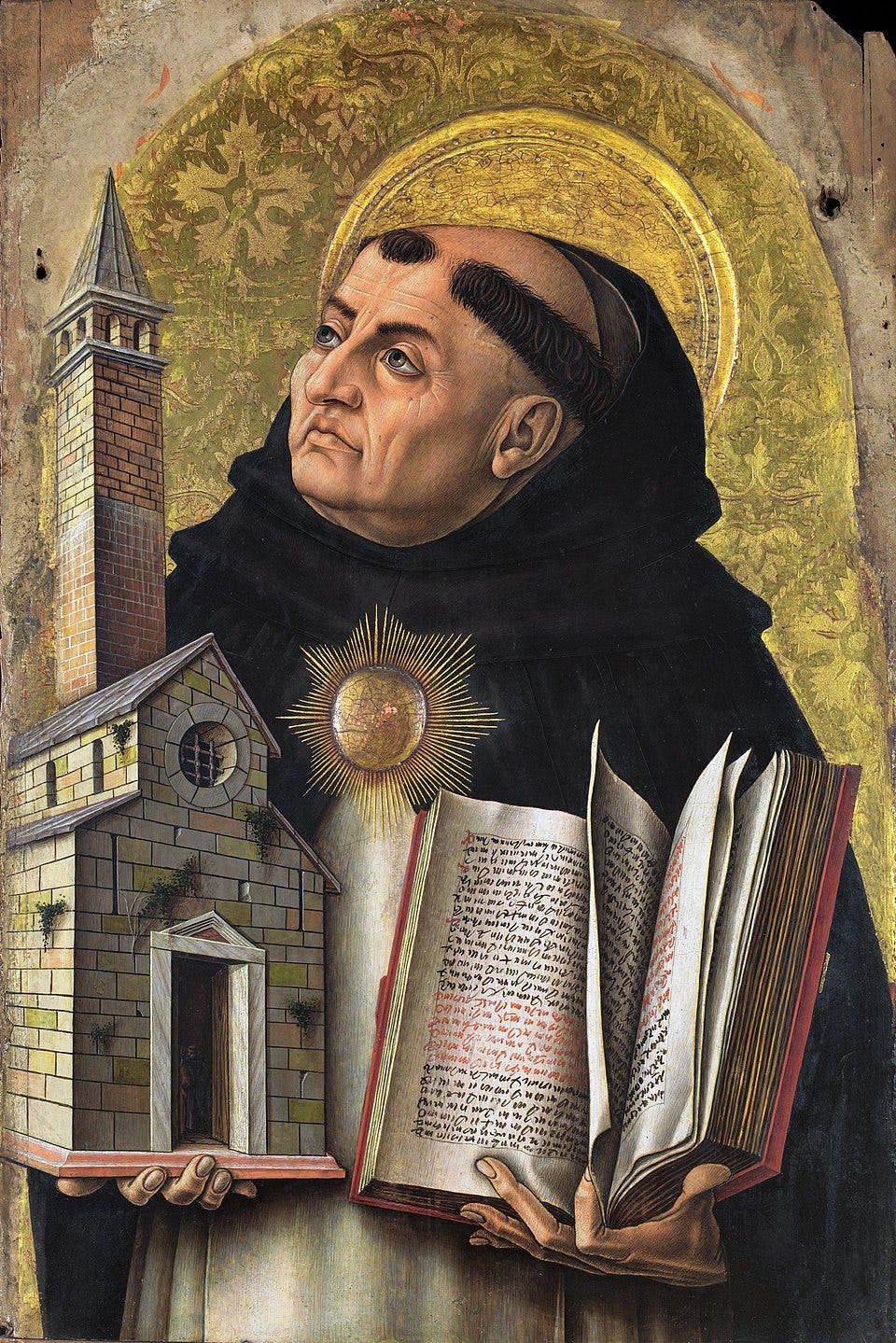
One of Aquinas’s most misunderstood ideas is his belief that reason has limits. This is why the moment at the end of his life matters. After a mystical experience during Mass, he said his writing felt like straw. He did not mean it was false. He meant it was incomplete. Aquinas spent his life teaching people to think carefully. At the end, he reminded them that thinking has limits. Use your mind, but don’t pretend your mind can solve everything.
