

Truth Is Not for Sale
Sixth Day from Maximus the Confessor (Twelve Days of Christmas Gift Series)

Today, on Day 6 of the 12 Gifts of Christian Theology, we arrive at Maximus the Confessor, a seventh-century monk who believed truth is not something you adjust to survive, but something you hold even when it costs you everything.
In the year 662, an elderly monk was brought before the emperor’s court in Constantinople. He was weak from years of exile and prison. The authorities wanted one thing from him: say the approved words and go free. Maximus the Confessor refused. Not because he enjoyed conflict, but because he believed some things cannot be said if they are not true. For that refusal, they cut out his tongue and cut off his right hand.
At the center of the conflict was a question that sounds distant today. Did Jesus have a real human will, or only a divine one? To most people at the time, this felt like an argument for scholars. To Maximus, it was about everyday life. If Jesus never truly chose, struggled, or obeyed as a human being, then human choice does not really matter. Maximus believed faith collapses when it no longer takes human effort seriously.
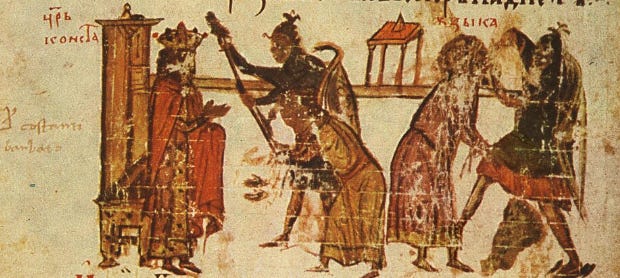
This is what Maximus saw that others tried to avoid. You cannot separate belief from life. Ideas eventually shape how we live, how we suffer, and how we love. If obedience is forced rather than chosen, then love is not love at all. Maximus refused a version of faith that skipped over the hard parts of being human. He believed healing only happens when truth and struggle remain connected.
The gift Maximus gives us is integrity. Not defiance nor stubbornness. Integrity means refusing to say one thing and live another. The empire wanted peace through agreement. Church leaders wanted calm through silence. Maximus believed both came at too high a price. When truth is bent to keep everyone comfortable, something inside us breaks. His life shows that staying whole sometimes costs more than compromise, but compromise always costs something deeper.
This feels uncomfortably close to modern life. We are constantly encouraged to soften what we believe. To avoid clear statements. To stay vague so no one is offended. Over time, this creates quiet exhaustion. People feel tired not because life is hard, but because they are divided inside. What they believe, what they say, and what they do no longer lines up. Maximus reminds us that inner division is not harmless. It slowly erodes the soul.
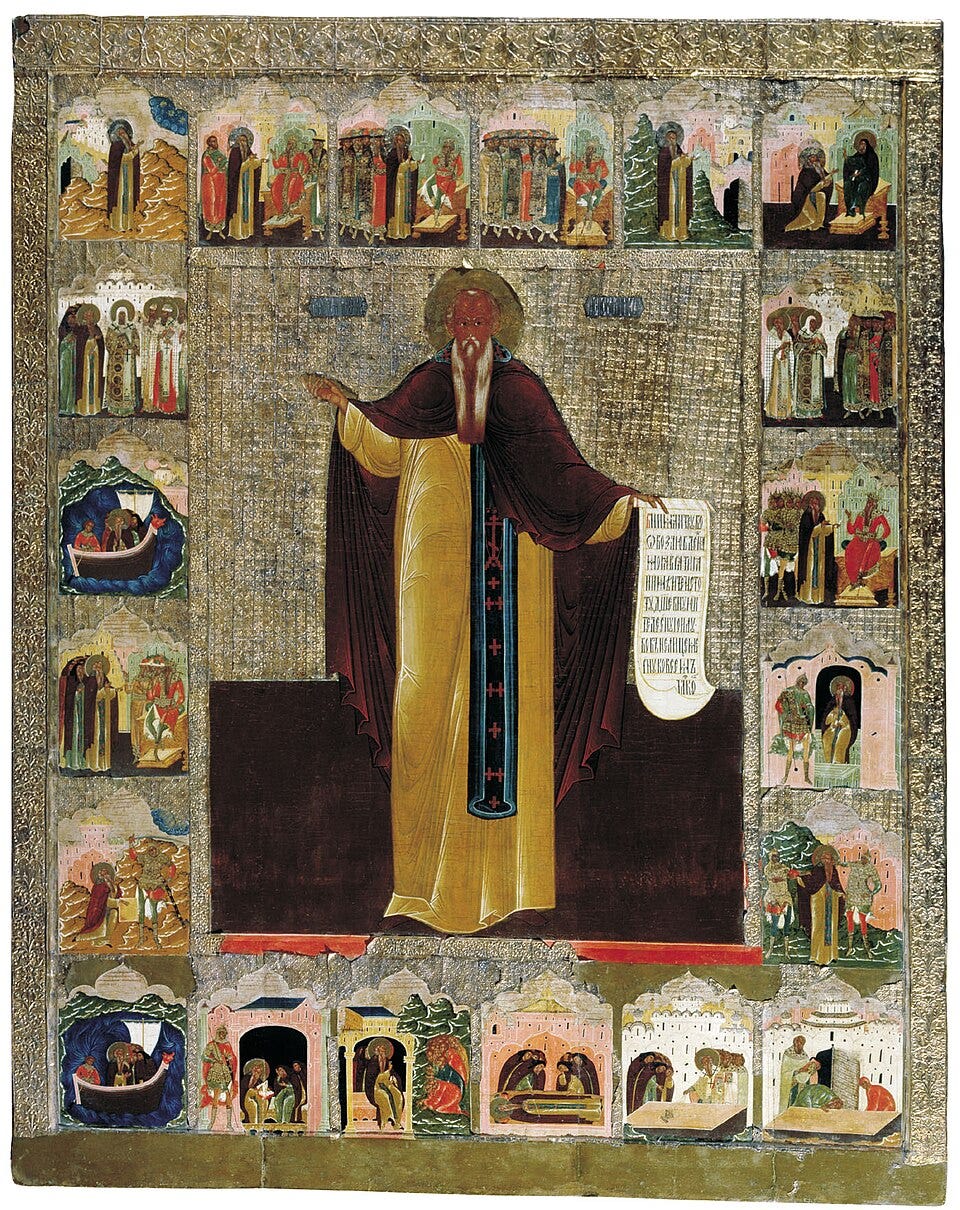
Reading Maximus forced me to look at my own habits. The small moments where I stay silent to avoid friction. The times I trade clarity for approval and call it wisdom. Maximus didn’t chase suffering, nor he wanted to be a hero. He simply refused to lie. The punishment came from others. His strength was demonstrating consistency.
Maximus leaves us with a simple challenge. Try to live as one person, not many. Let your beliefs shape your actions, even in small ways. This is Gift #5 of the 12 Gifts of Christian Theology.
Tomorrow, we turn to Anselm of Canterbury, who reminds us that faith is not afraid to think. We have reached the halfway point. Continue this journey till the end with me.

A stunning series!
A quiet truth that gets louder the longer it is silenced.
The reality is when coercion and control is used, truth is no longer present. Love is truly free and not wilfully, forcefully bound.
Thanks for this article.