

Why Culture Became a Show and How We Take It Back
On the forgotten shape of culture

Article by Justi Andreasen, author of Reclaiming the Biblical Worldview.
Each year, a quarter of a million people converge on San Diego carrying costumes they have stitched, molded, painted, and revised for months. When they arrive, they search for others wearing costumes from the same films and comics. They stand together, reenact familiar scenes, and speak lines they know by heart.
From a distance, cosplay can look theatrical or faintly ridiculous. Up close, though, it resembles an older instinct returning to the surface. A story becomes real through clothing, speech, and bodies gathered in one place. What looks like entertainment begins to look more like people testing what it means to inhabit a story rather than just consume it.
Much of what we now call culture takes a different form.
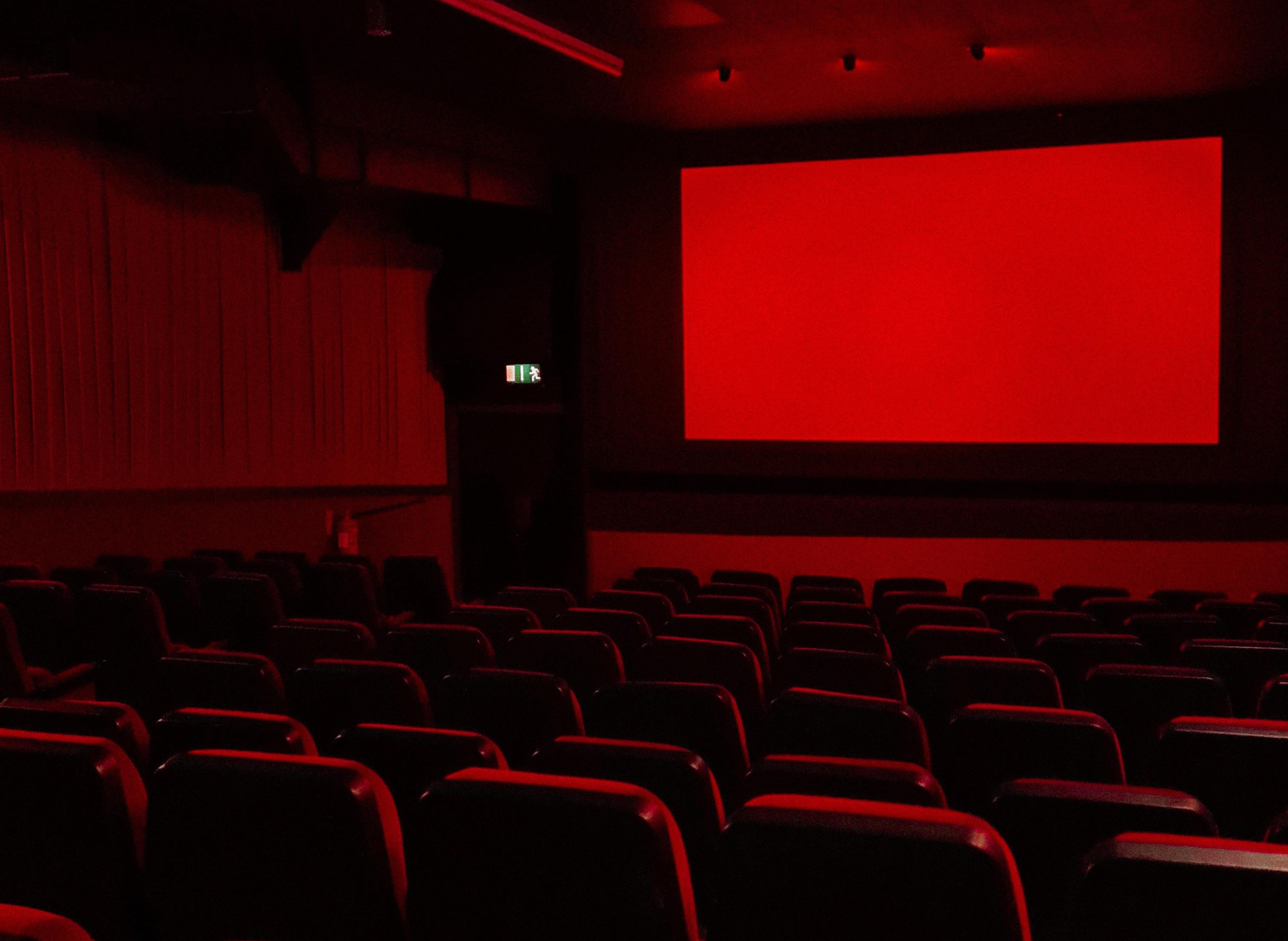
In a concert hall, rows of listeners face a lit stage while a few perform. In a museum, visitors drift past canvases that no longer belong to the spaces for which they were made. In front of screens, we receive music, film, and spectacle in endless succession.
Most people assume culture has always looked more or less like this. Something performed, displayed, and consumed. Below, we return to a time when culture meant something else entirely, and begin to trace what becomes possible again once that older shape comes back into view.
From Ritual to Theatre
When culture is received chiefly as entertainment, the body grows still while the image moves. The work of art stands intact, but the shared action around it disappears. What was once woven into common life turns into an object to admire.
The widely followed lecturer on myth and art Jonathan Pageau has a name for what we lost: participation. Where earlier generations moved inside shared forms (feasts, fasts, processions, shared singing), we now meet culture primarily as something delivered to us.
“Entertainment is not the highest form of art. Entertainment is not the highest form of culture. Participation is the highest form of culture. Art that heals, that really heals, that really creates community, that really brings people into communion, is participative.”
-J. Pageau
What does Pageau mean by this, and how did we arrive at this condition? Ritual once required bodies gathered in time and place. Culture seems to have then moved onto the stage, where a few acted and many watched. Now it lives on screens, where each person sits alone, scrolling through curated fragments.
Participation often gave way to observation. Observation sometimes hardened into isolation.
We scroll through feeds where people share their lives with strangers. Stories arrive in endless streams, but our involvement remains thin.
Before the rise of entertainment culture, societies were structured differently. The town gathered not to observe a ritual but to enact it. Singing did not belong to a stage but rose from the assembly. Dance was not a specialty but a common language. In this way, narrative did not hover at a distance but passed through mouths and bodies.
“We think that the highest form of culture is to be an observer of people doing something with excellence. But there’s a big difference between that and something like folk dancing. Folk dancing makes you participate.”
-J. Pageau
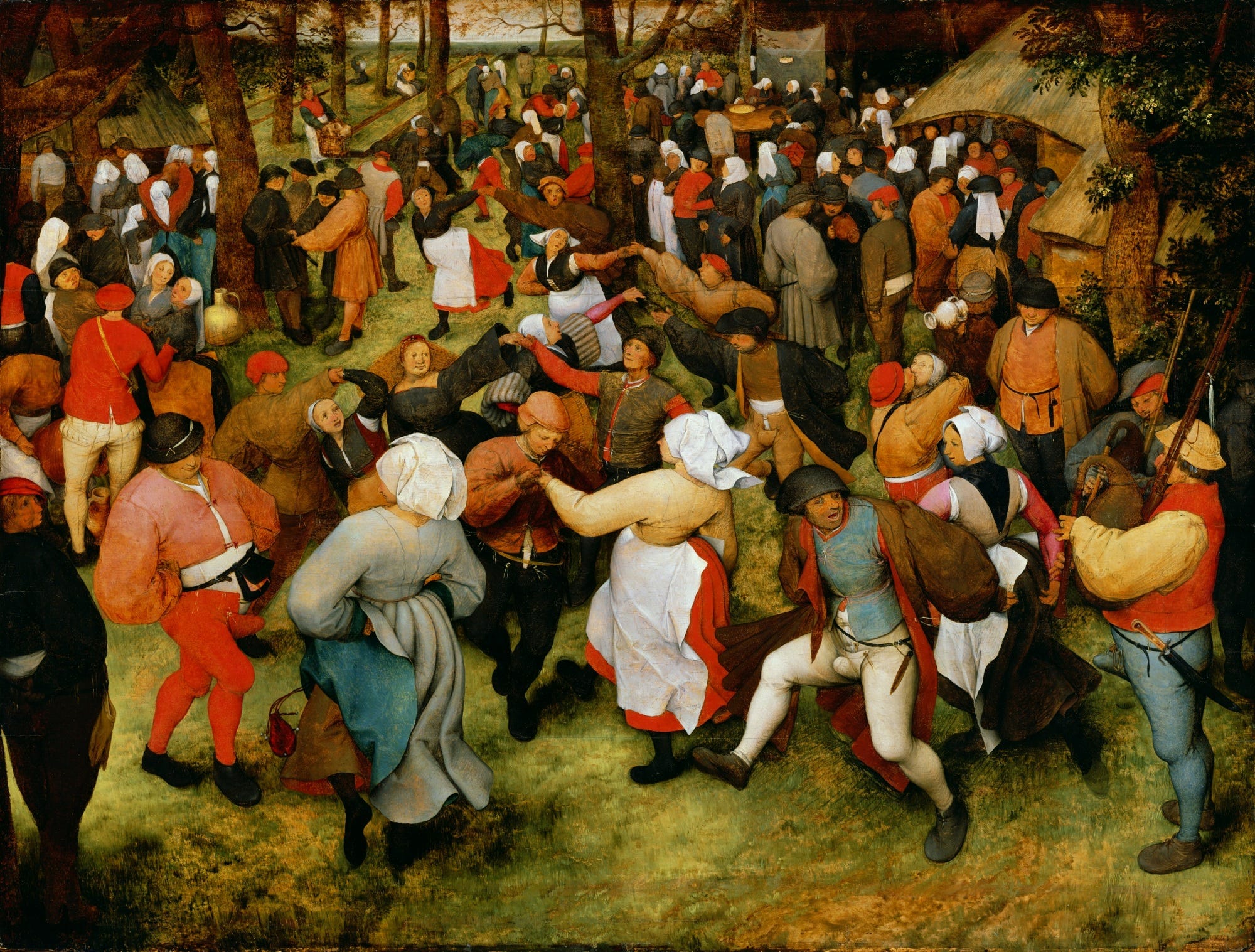
Culture was not an event added to life and watched. Culture was the pattern that life followed.
Art and craft were joined to this rhythm. A table was built for a specific family who would gather around it. A tapestry was woven for a hall depending on the role of that hall. An image was carved for a wall before which prayers would accumulate over decades. Skill answered to a community already in motion. Making was a form of belonging, because the object entered into a life that preceded it. The idea of an art exhibition would have been foreign to that world.
“Museums are cemeteries for objects. They’re all dead. These things used to be part of something, part of someone’s life, and now they’re all catalogued. Going to museums is fine, but this is not the highest form of culture. Why? Because it’s not participative”
-J. Pageau
The Hunger
The impulse toward such participation has not disappeared. It reemerges wherever people sense its absence.
Fan communities gather to inhabit fictional worlds more fully than the screen or the page alone allows. Recently, I came across a website offering “immersive” experiences built around cult-favorite films and TV series.
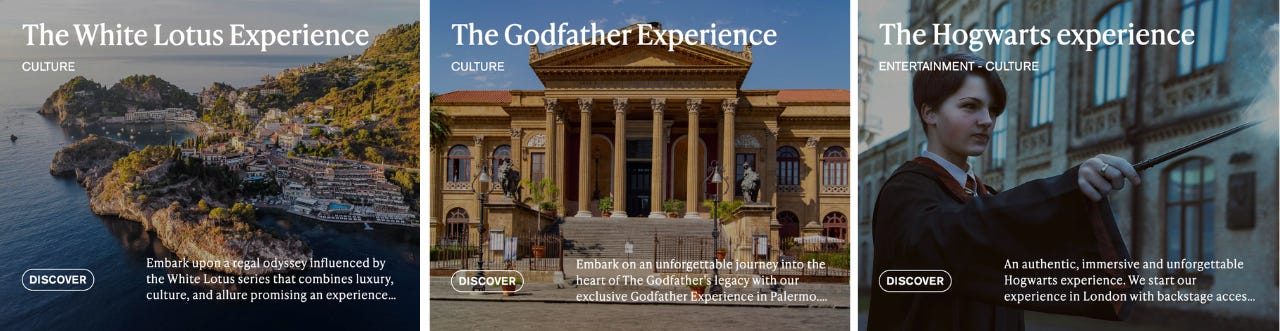
For example, visitors were invited to step inside the world of The White Lotus, a show that has quickly earned cult status. The invitation promised a “regal odyssey” shaped by the series’ blend of luxury, culture, and intrigue. The package included a private yacht party modeled on one of the show’s most iconic scenes, complete with appearances by actors from the series.
The same longing appears in contemporary myth.
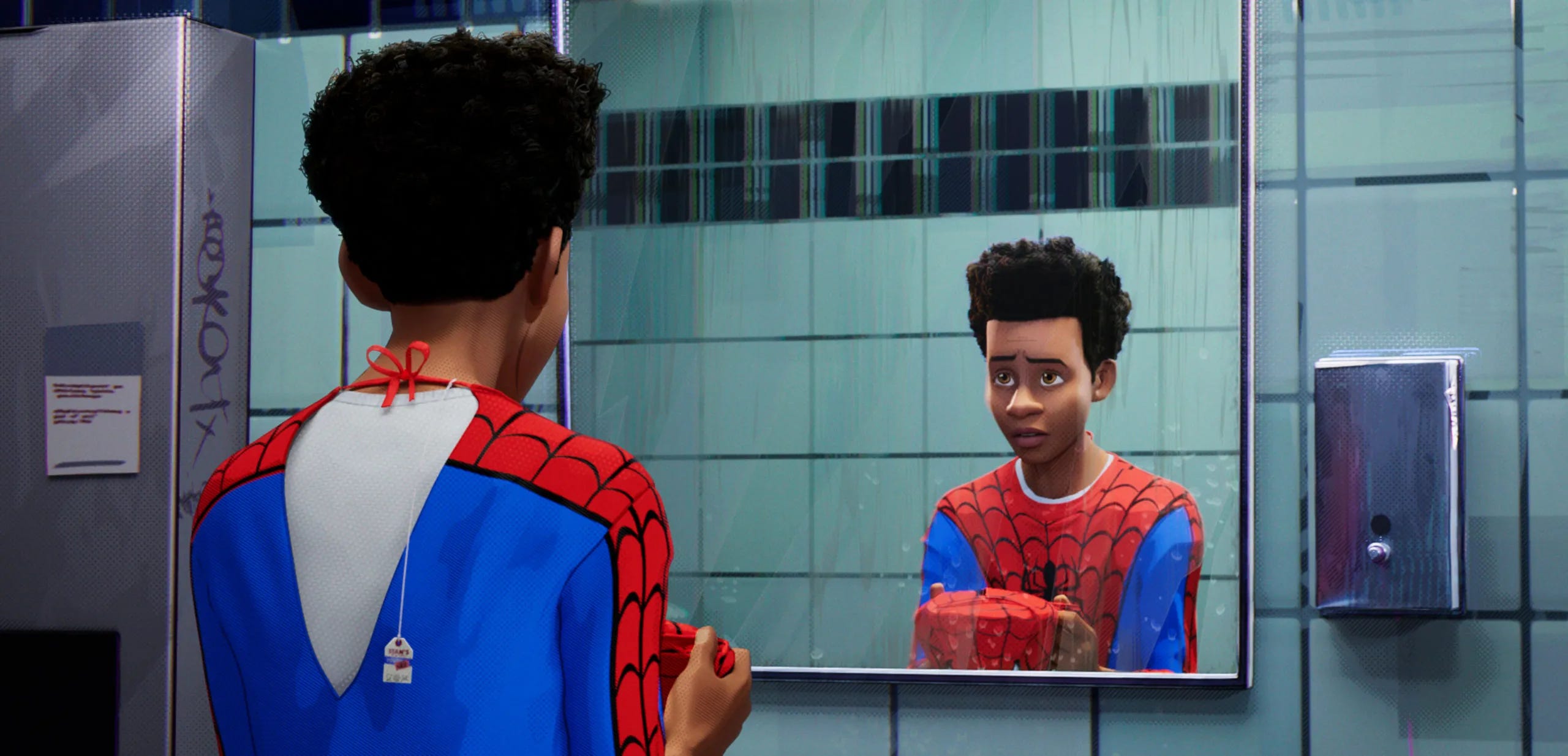
As Pageau notes, Spider-Man: Into the Spider-Verse is structured around the problem of spectatorship. The main character Miles learns how to be Spider-Man by reading Spider-Man comic books. At first, he copies poses and fails. The myth remains external. Only when he stops trying to reproduce the image and instead accepts responsibility, taking the leap despite fear, does he become what he had been observing. The film makes the point explicit: “Anyone can wear the mask.” It is a story about ceasing to watch and beginning to act. The hero is not simply observed but entered into.
Even our blockbuster entertainment now reflects this hunger. We make movies about the desire to stop being a spectator.
The Solution?
“You can’t become a Jedi. You can become a saint.”
-J. Pageau
Richard Wagner (1813-1883) dreamed of a Gesamtkunstwerk. A total work of art in which music, image, and drama would converge into a single, spectacular event. He envisioned this total work of art as the reunion of arts that had grown apart. In his essays The Artwork of the Future and Opera and Drama, he argued that music, poetry, staging, architecture, and myth once belonged together in ancient Greek tragedy. Over time they had fragmented into specialized forms, each pursuing its own excellence but losing the unity that gives art its deepest force. His project was to bind them again into a single dramatic organism.
Pageau suggests that Christian liturgy may already hold something like this vision, even if it never names it explicitly. Song, architecture, and story gather into one coherent act. On top of that the liturgy does not place the faithful before a spectacle. It draws them into a shared action. The church building is not a concert hall. Images on the walls are not exhibited. Psalms are not entertainment. Bread and wine are not merely on display.
You do not attend liturgy as an observer. You chant and kneel. You receive bread and wine. The whole drama unfolds through your own body, among the people whose lives are bound to yours. The story advances only through the coordinated action of those present.
When culture is understood in this way, it exceeds individual taste. It works on the body and gathers strangers into a shared movement. Culture here appears less as an object and more as a rhythm that can carry a people across generations.
The instinct that sends thousands into carefully crafted costumes at the San Diego Comic-Con, that leads people to spend a fortune stepping into the staged world of The White Lotus, and that prompts Marvel Entertainment to stake millions on the oddly self-referential myth of Spider-Man: Into the Spider-Verse all point to the same thing.
It names a longing to stop watching and begin answering, to move from quoting lines to speaking them as one’s own. When that longing is given a stable form, repeated in the same place, with the same people, it begins to shape habits and expectations. When it is confined to watching, it thins out and drifts. What ultimately matters is not just how good the artwork is, but whether people stay outside it as observers or step into what it sets in motion.
Reclaiming the Biblical Worldview
Thanks for reading The Culture Explorer! This post is public so feel free to share it.