

Why Some Heroes Are Saved and Others Are Only Remembered
Not All Sacrifice Is Rewarded the Same Way

The story begins with a young man standing alone under a burning sky.
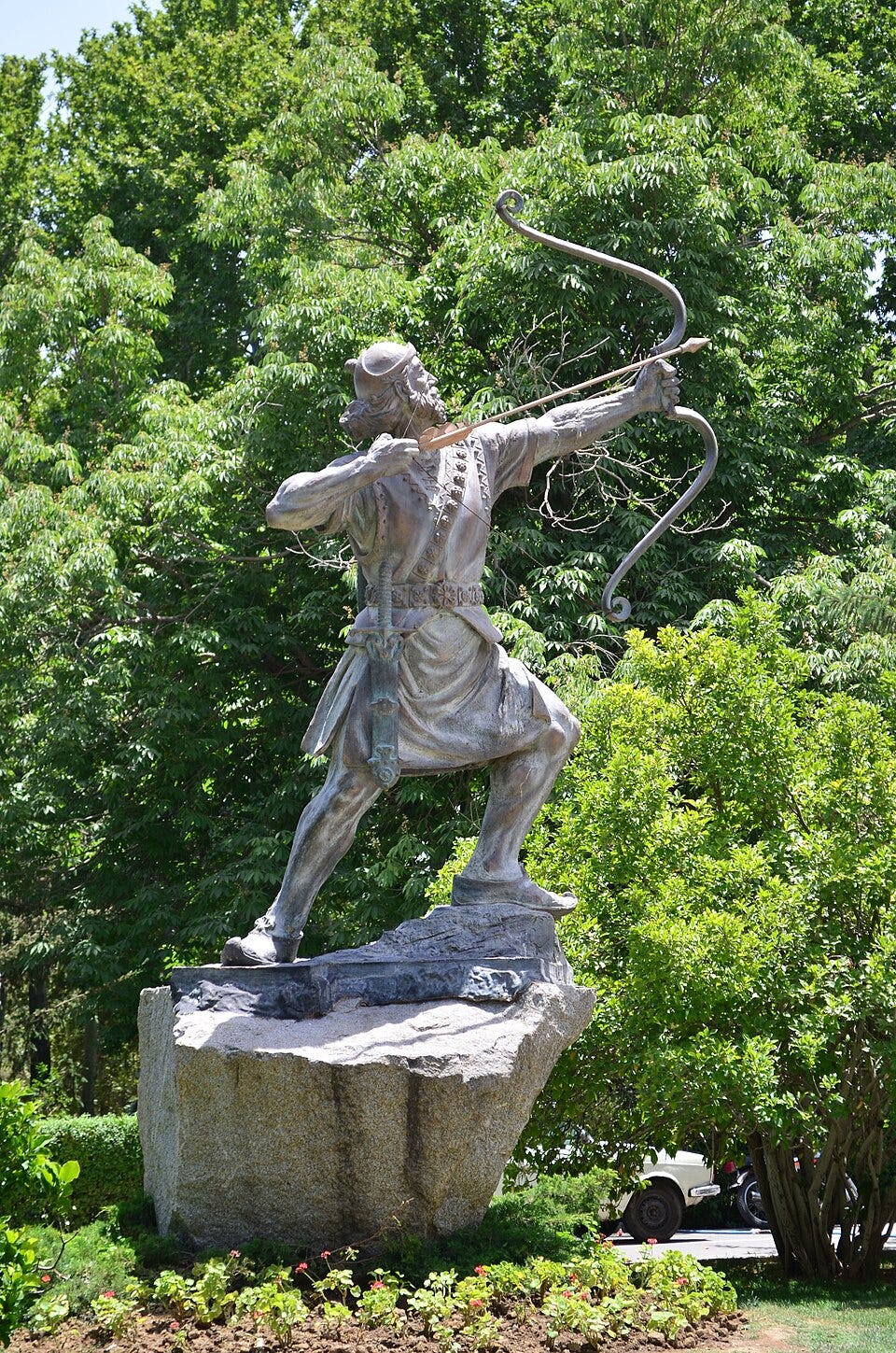
He grips a bow so tightly that his hands bleed. He knows what will happen next. When he releases the arrow, his body will not survive the effort. No songs will save him. No god will reverse the cost. Yet he draws the string anyway, because the land behind him matters more than the life inside him.
The wind rises.
The earth steadies him.
The arrow flies farther than any human arm should allow.
This is Arash, a hero from ancient Persian myth. And nature does not wait for him to die before responding. It steps in while the sacrifice is still unfolding.
That single detail opens a door into how civilizations have imagined heroism, justice, and the role of the world itself.
Across cultures, myths ask the same quiet question. When a human being risks everything for something meaningful, does the universe help, remember, or remain silent?
The answer changes depending on where you look.
In Greek myth, the hero often walks alone. Consider the world of Ovid’s Metamorphoses. Narcissus rejects love and is punished not by a villain but by his own reflection. Phaethon reaches for the sun and is struck down for overreaching. Pyramus and Thisbe die because love outruns caution. In none of these stories does nature intervene in time. Rivers do not part. Winds do not rescue. Mountains do not bend.
Instead, nature responds after the fall.
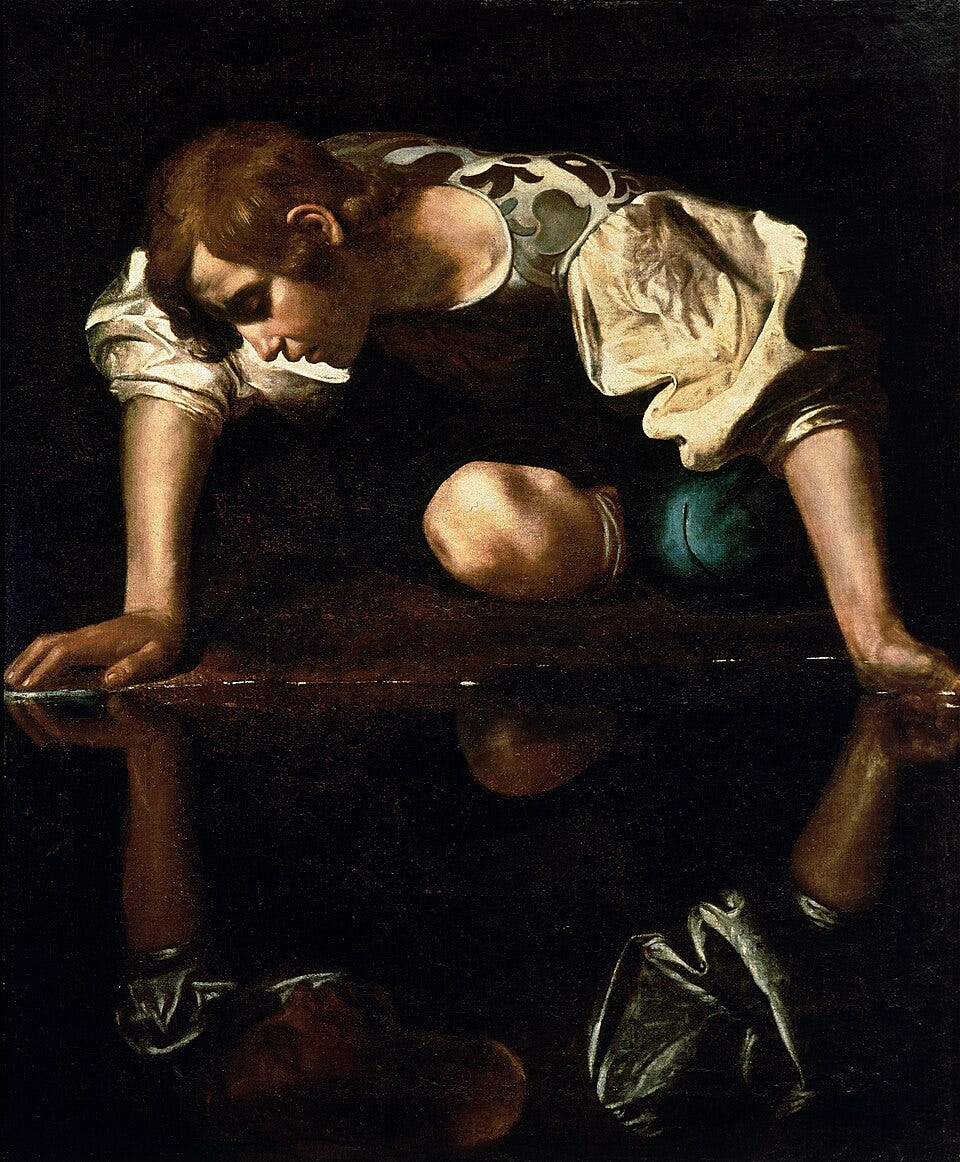
A flower grows where Narcissus dies. Mulberries darken with the lovers’ blood. Amber forms from grief-stricken trees. Nature becomes a memorial, not a savior. The lesson is subtle but sharp. The Greek hero earns meaning through daring, not protection. The world does not stop you from breaking yourself. It only remembers you once you do.
This worldview shaped an idea that still feels familiar. Break boundaries. Test limits. Accept the cost. Glory may come, but survival is not promised.
Persian myth tells a different story.
In the Avesta and later epic traditions, heroes rarely act for themselves. They act for land, order, faith, and people yet unborn. And because the goal is collective rather than personal, nature behaves differently. Rivers appear to block injustice. Wind carries arrows farther than flesh allows. Trees guard divine light. Earth itself lends strength at the moment it is needed most.
Nature does not wait until the end. It intervenes mid-struggle.
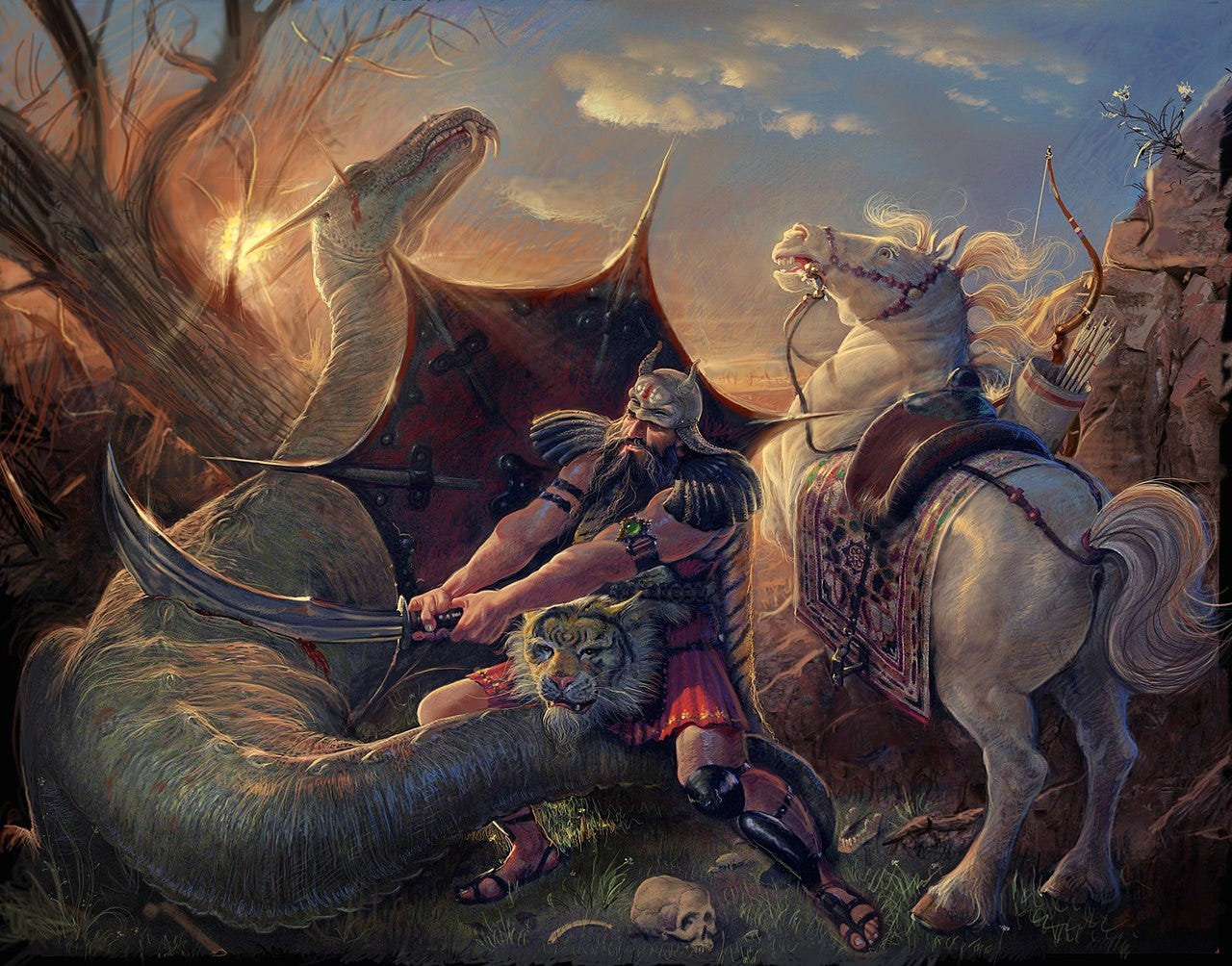
This is not sentimental storytelling. The Persian hero still pays a price. Arash dies. Others endure exile, loss, or suffering. But the universe is not indifferent. Sacrifice for the common good activates help rather than silence. That belief trains an expectation. If you carry something larger than yourself, the world may meet you halfway.
Between these two models sits a fault line that still runs through modern life. Individual breakthrough versus collective duty. Posthumous honor versus living support. Meaning earned alone versus meaning shared.
