

Tradition is Not the Worship of Ashes
But the Preservation of Fire

The new year always arrives quietly. After the countdowns fade and the noise settles, many people in the modern West feel the same unease. We are moving forward faster than ever, but with less confidence about where we are going. The problem is structural, like standing on ground that no longer quite holds.
Decades before today’s widespread anxiety about cultural decline, an anthropologist named Alice E. Horner1 noticed something strange. People rarely think about tradition when life feels stable. Tradition only becomes visible when continuity breaks. When inherited ways of living no longer pass naturally from one generation to the next, tradition stops being background and becomes a question.
Horner argued that tradition is not a museum object. It is a process. A living act of handing down memory, skill, meaning, and restraint across time. Think of practices almost everyone recognizes, regardless of culture or belief: shared meals at set times, funeral rites, marriage customs, seasonal festivals, ways of honoring elders, rules of hospitality, stories told and retold to children. These things do quiet work by shaping character without speeches and transmitting values without arguments.
When those practices weaken, people feel it before they can name it. Families stop eating together. Rituals feel awkward or optional. Elders lose authority without anyone replacing it. Moral language becomes intensely personal but strangely thin. Horner’s insight was that this discomfort is not a temporary side effect of progress. It is the stress of continuity snapping.
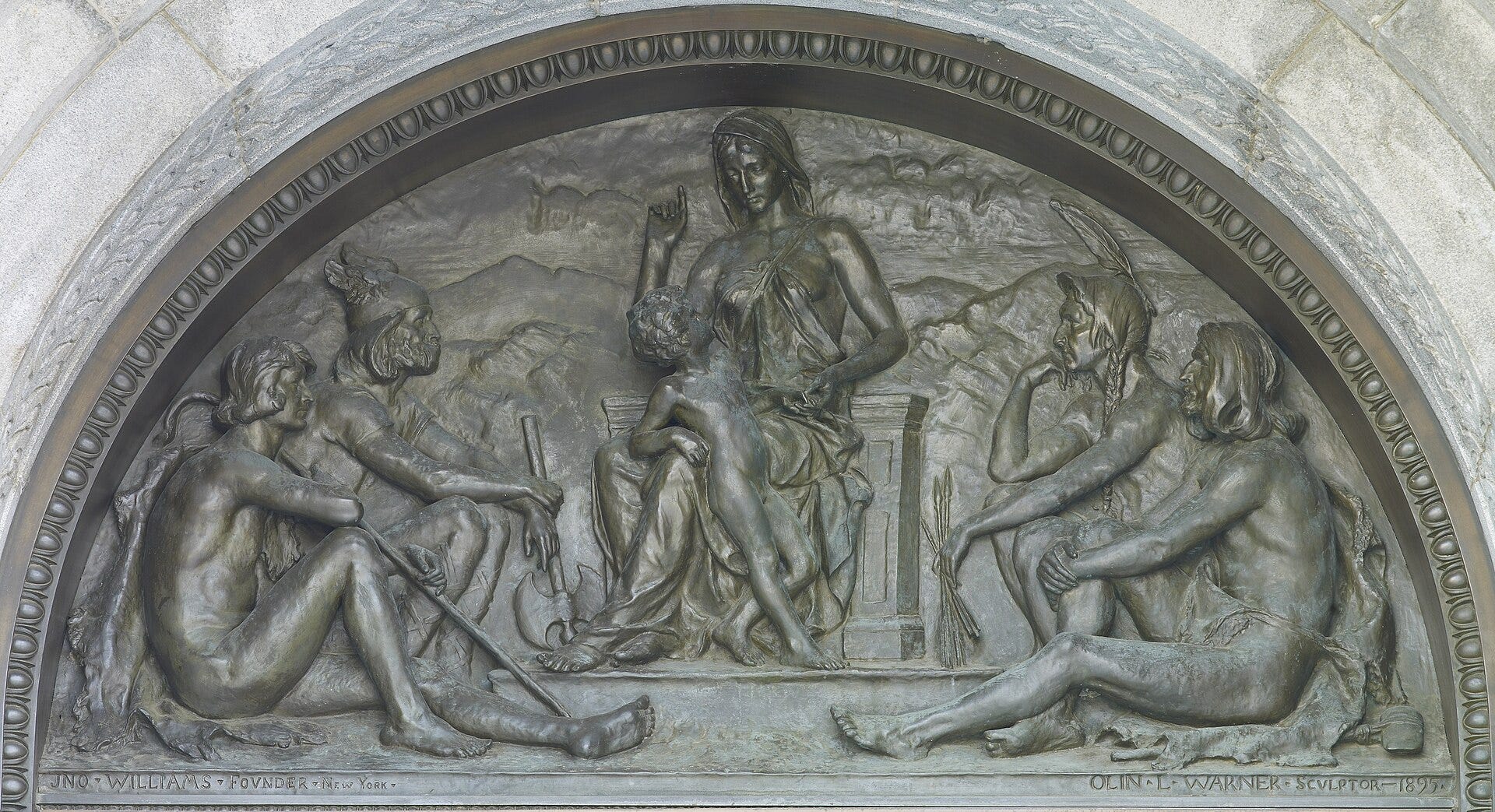
She described tradition as a reservoir. Over generations, societies store up tested ways of living. When life becomes unstable, people draw from that reservoir without thinking. When tradition is neglected, mocked, or treated as disposable, the reservoir drains. What replaces it is improvisation under pressure. Everyone must decide everything alone, all the time.
The modern West shows clear signs of this drainage. We still celebrate holidays, but many no longer know why. We still speak of values, but struggle to define them. We invoke rights fluently but duties hesitantly. Tradition once held these tensions quietly in place. Without it, they surface as constant conflict and exhaustion.
Literature has warned about this long before contemporary politics or social media. In The Lord of the Rings, J. R. R. Tolkien shows what happens when tradition is preserved, forgotten, or deliberately corrupted. The Shire survives not because it is powerful, but because its people live within inherited rhythms: meals, seasons, customs, obligations. Mordor, by contrast, has no tradition at all. It has only will, domination, and endless production. Nothing is handed down. Everything is consumed. Sounds like the modern day doesn’t it.
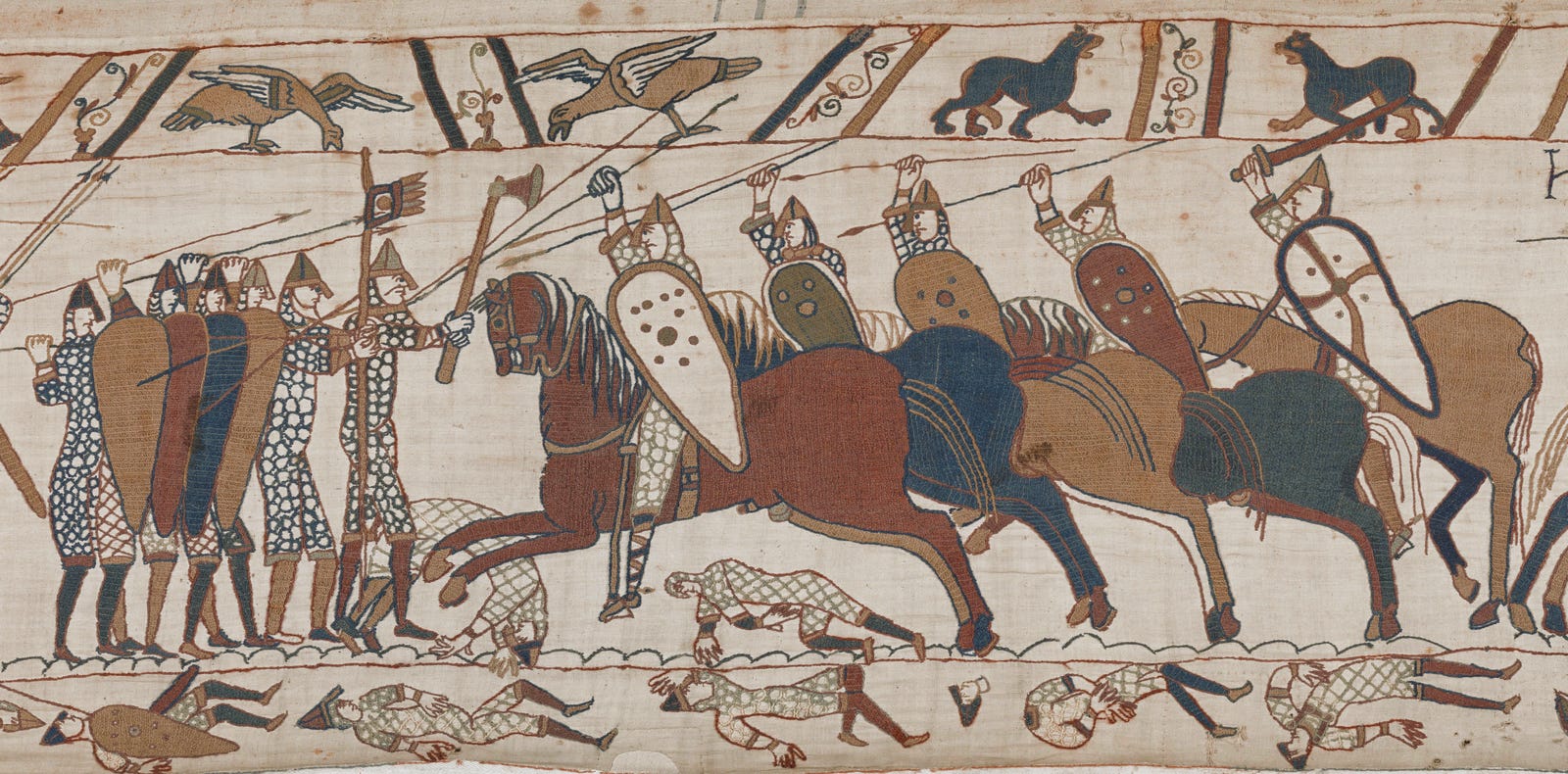
Middle-earth’s crisis is a struggle between memory and amnesia. Gondor weakens when it forgets its lineage and duties. Rohan revives when it remembers who it is and answers ancient calls. Even Aragorn’s legitimacy comes not from ambition, but from inheritance accepted with humility. Tolkien understood that societies endure not by discarding the past, but by carrying it forward responsibly.
A similar pattern appears in A Tale of Two Cities. Charles Dickens portrays revolutionary France as a society that has lost any shared moral tradition capable of restraining vengeance. When inherited structures collapse without moral replacement, justice mutates into spectacle. The revolution consumes not only its enemies, but itself. Dickens does not defend the old order blindly, but he shows the danger of destruction without continuity. When tradition vanishes entirely, cruelty rushes in to fill the void.
These stories endure because they describe something human, not ideological. A society cannot live forever on rejection alone. When the past is treated only as something to escape, the future becomes unstable. Horner gives language to this dynamic. Traditions are not perfect, but they solve recurring human problems: how to form character, how to bind generations, how to restrain power, how to make sacrifice meaningful, how to face death without despair.
A writer like C. S. Lewis encountered this problem personally. Lewis realized that rejecting inherited wisdom did not make him independent. It made him captive to the blind spots of his own time. He called this habit chronological snobbery: the assumption that newer ideas are better simply because they are newer.
Lewis urged people to read old books not to escape the present, but to expose its assumptions. Every age has them. Without dialogue across time, the present becomes a closed room, endlessly echoing its own voice. Horner’s anthropology gives this intuition structure. A society that cuts itself off from its inheritance loses the ability to correct itself.
We see this now in public life. Disagreements feel theatrical rather than serious. Moral language grows louder but thinner. Institutions persist without trust. Identity becomes something constantly performed rather than quietly lived. These are not random symptoms. They are what happens when tradition no longer does its quiet work.
I am not making an appeal to return to one religion, one culture, or one golden age. Horner was clear about that. Traditions evolve or they die. What matters is transmission. Practices must be lived, not merely admired. Traditions survive because they continue to meet real human needs, not because they are old.
Lewis understood that accepting inheritance requires humility. It means admitting that your private judgment is not the final authority. That is uncomfortable in a culture built on self-expression. But it also frees people from the impossible burden of total self-creation. You no longer have to invent yourself from nothing. You enter a story already in motion.
The modern West now faces that choice at scale. We can continue treating inheritance as a burden, or we can relearn how to carry it without freezing it in place. Horner reminds us that tradition becomes visible only when endangered.
And here is the deeper question to carry into the year ahead. If a civilization cannot remember what it is for, how long can it endure its own freedom?
As I think about the year ahead, I keep coming back to this. Not everything inherited is sacred. But not everything old is dead either. The real task is learning how to tell the difference, and having the courage to carry forward what still burns.
“Tradition is not the worship of ashes, but the preservation of fire.”
— Gustav Mahler
So this New Year, consider a different posture. Not rejection of the present, and not blind loyalty to the past. Read something written before your lifetime. Engage a tradition not as a rulebook, but as a conversation. Ask what previous generations were trying to preserve, and why. You may not adopt everything you inherit. But you will understand yourself better by knowing what you are reacting against.
Alice E. Horner is an American anthropologist known for her doctoral work The Assumption of Tradition, written at the University of California, Berkeley.
Could not agree more about the importance of the preservation of fire, and it isn't just society that needs to go back to honouring tradition but we writers of fiction. I specify my own 'kind' as needing to remember the old ways of writing, of thinking and what not because writers and artists as you've shown in this masterful essay are often in the 'frontlines' in the 'spiritual war' that we are always waging. When writers subvert, or otherwise forget tradition and even how to write in the old manner their works suffer and from there society's philosophical skills and mental capacity atrophies.
It is upon writers to write as Tolkien, Howard, Twain, Dickens, Dumas and others did and to honour their works not reject them. At least this is how I think as a writer of fantasy; it is about showing how love, hope, chivalry and good are ideals not passing fads as newer writers would do but also about striving to improve stylistically, in terms of prose and in vision for one's works as the ancestors did. Tradition isn't a straightjacket but a teacher of discipline.
Very insightful.